
Mon - Fri: 9:00 - 19:00 / Closed on Weekends

AUS: +61 431 085 666
USA: +64 21 480 290


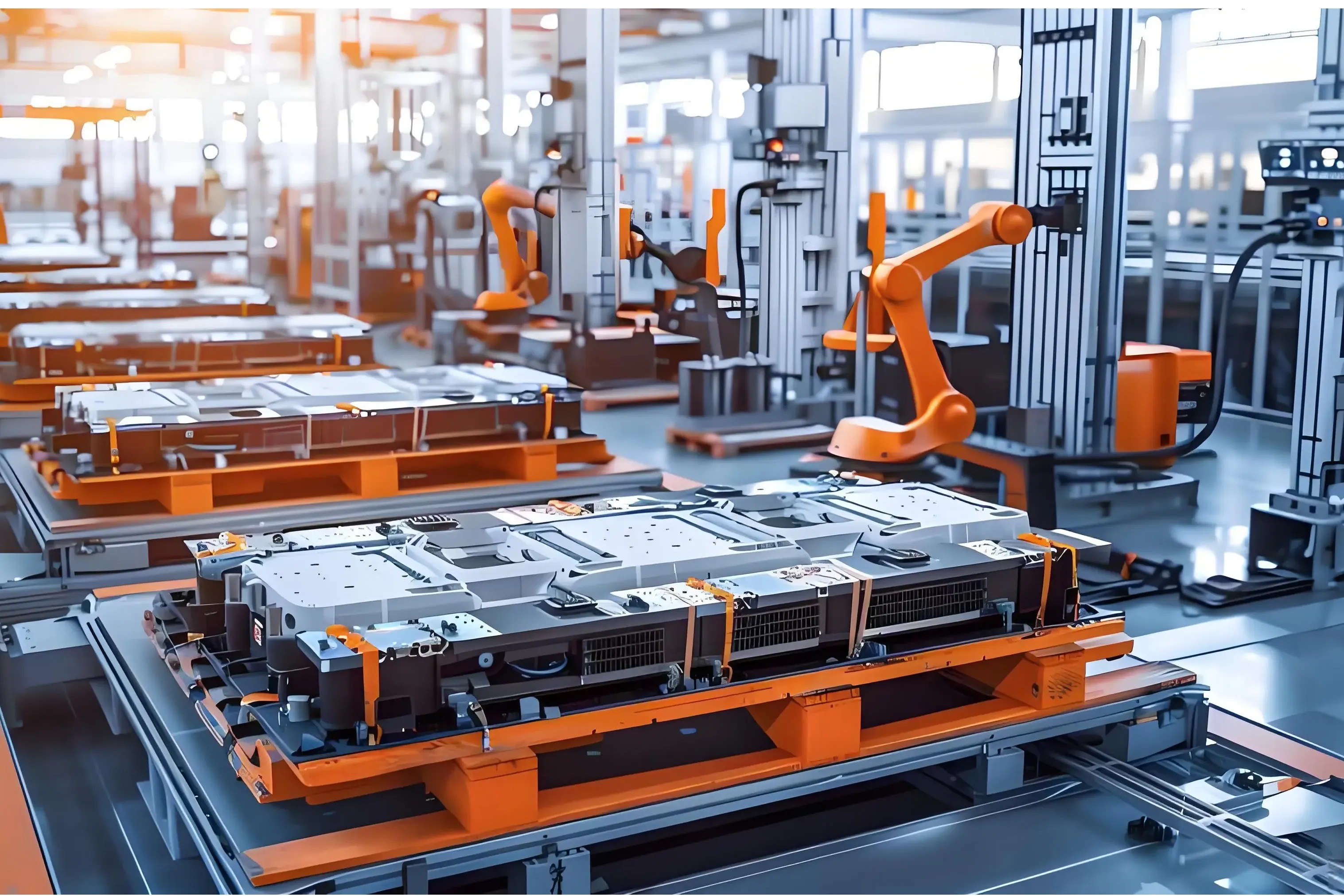
For cathode and anode slurry, specify solids content, particle size, viscosity at operating temperature, target flow and discharge pressure. Check suction losses, valve passages and wear parts against the actual formulation. Evaluate product quality after transfer under representative operating conditions.
Confirm every wetted component, including diaphragms, balls, seats, seals and manifolds, against the medium, concentration, temperature and cleaning chemicals. Specify metal-ion, copper-free or other purity limits explicitly. A material name alone does not guarantee chemical compatibility or contamination-free transfer.
Solvent and electrolyte duties require model-specific compatibility and installation review. Confirm the required hazardous-area documentation, bonding, grounding and containment for the complete system. Air drive alone does not establish hazardous-area suitability. Transfer pumps supply the process; precise dosing or filling requires appropriate metering and controls.


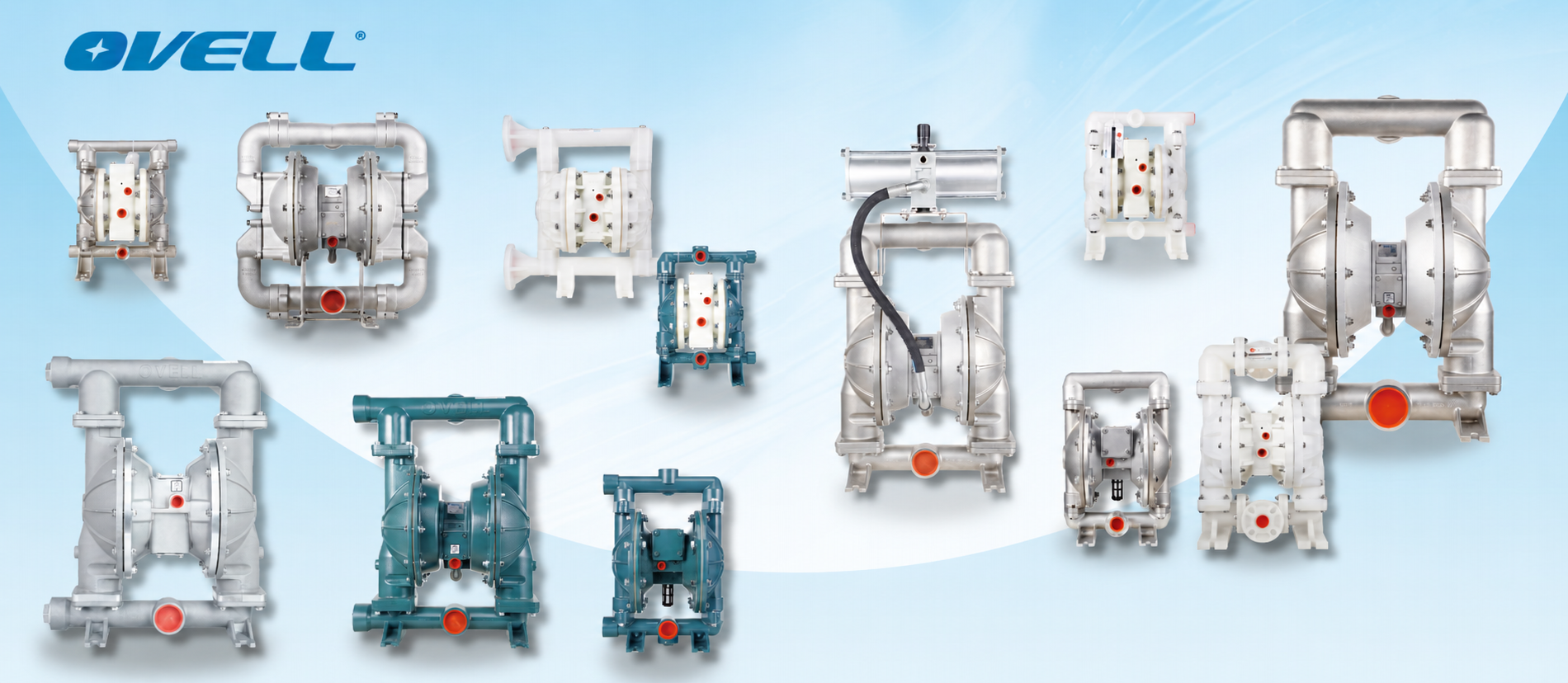
Send the medium and composition, purity limits, solids and viscosity, temperature, required flow and pressure, suction layout, operating hours and quantity. Request the specific model curve, material configuration and documentation.
Contact OVELL for selection and a quotation
Explore OVELL application examples and technical articles covering battery slurry transfer, cathode material handling, electric diaphragm pumps and powder transfer. Select a topic below to read the full article.