
Mon - Fri: 9:00 - 19:00 / Closed on Weekends

AUS: +61 431 085 666
USA: +64 21 480 290


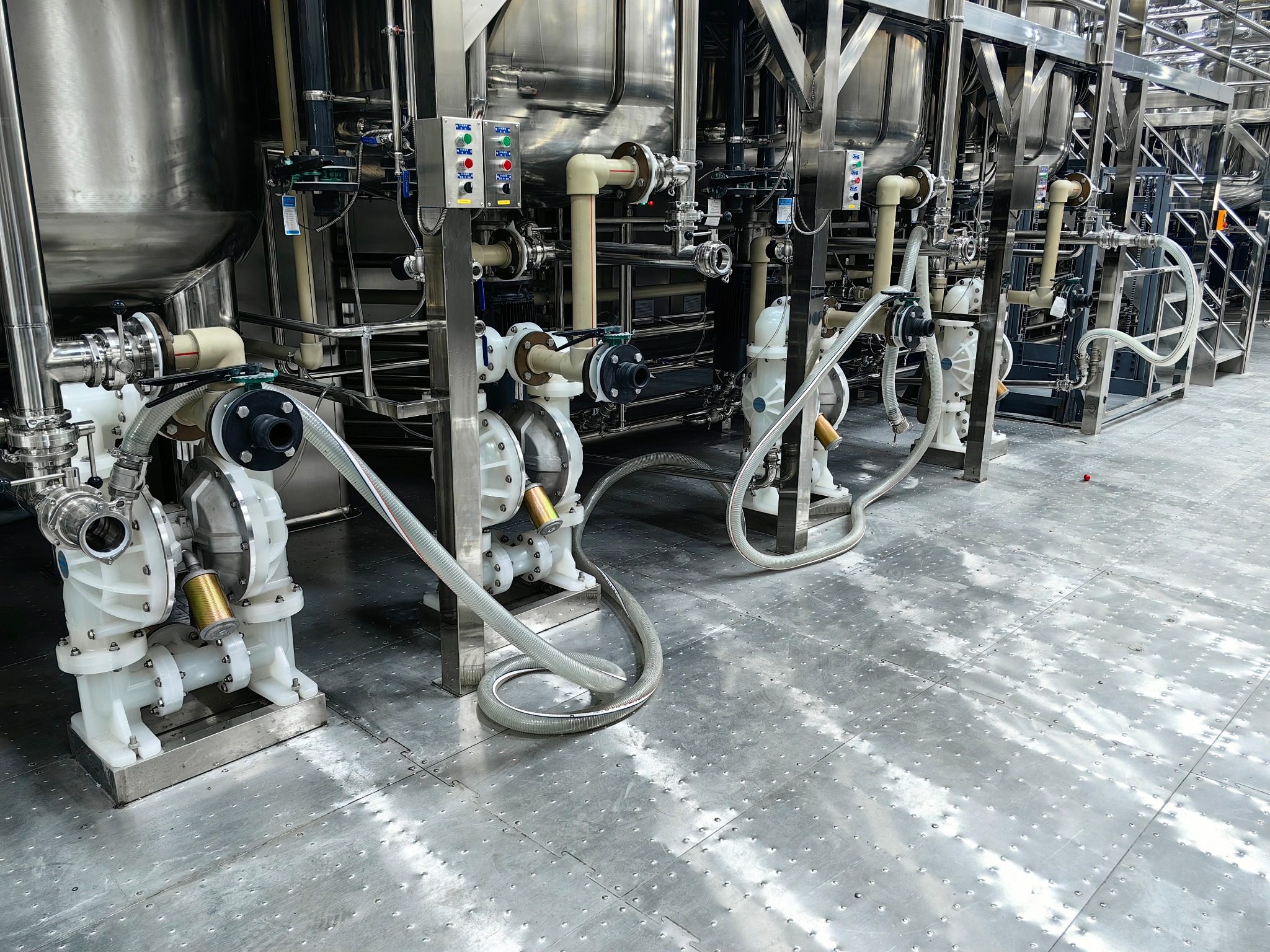
For acids, alkalis, solvents, resins and chemical slurries, specify the complete composition, concentration, temperature, viscosity and solids. Compare the required flow and pressure with the selected model curve, allowing for suction losses and air supply. Maximum flow and maximum pressure are separate limits.
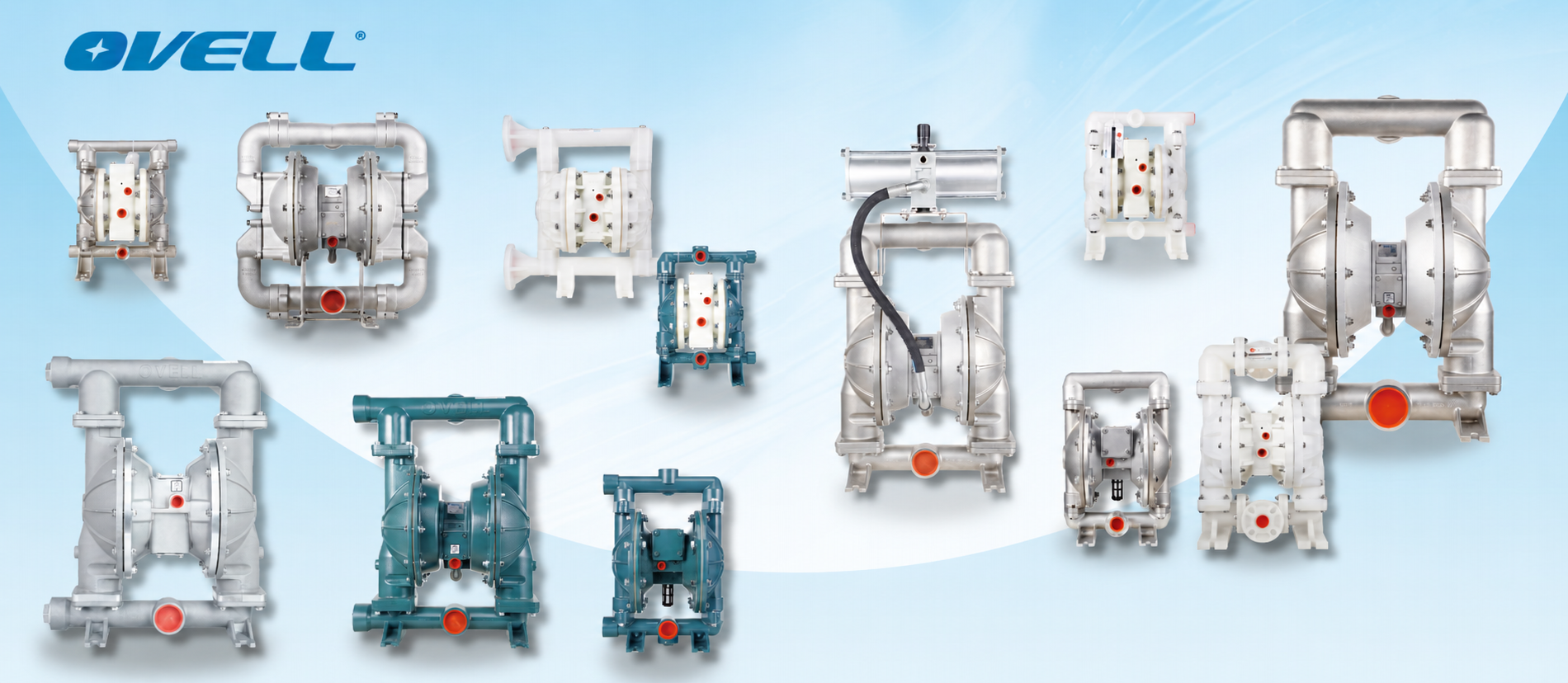
Compare PP, PVDF, stainless steel and other available construction options against the actual chemical. Diaphragms, balls, seats and seals need their own compatibility review. Material selection must also include cleaning agents and any temperature changes.
A diaphragm separates the fluid from the drive side, but diaphragms, valves, seals and connections can wear or leak. Define inspection, secondary containment and exhaust handling for the chemical involved. Hazardous-area suitability requires the appropriate model documentation and system installation; compressed-air drive alone is insufficient.

Send chemical composition and concentration, temperature, viscosity, solids, required flow and pressure, suction layout, air supply, cleaning conditions and quantity. Include any hazardous-area requirements and request model-specific documentation.
Contact OVELL for selection and a quotation
Explore related OVELL application articles and technical guides. Choose a topic below to read the full article.
Explore electroplating, hair-dye production, PCB chemical transfer, unloading and high-pressure filtration applications.
Read about corrosive fluid transfer, material selection, static control, powder containment and dosing.
Explore a related chemical raw-material and adhesive industry event.


