The oil and gas sector remains a cornerstone of the global energy landscape, providing the essential fuel and raw materials that power international economies. As we progress into 2026, the industry is increasingly focused on operational efficiency and the mitigation of environmental risks during extraction and refining. Operating in this field involves managing volatile hydrocarbons, high pressure environments, and remote oilfields where equipment reliability is the only safeguard against costly production halts.
Critical Segments within the Energy Value Chain
The oil and gas industry is a multi-tiered sector, with each stage requiring specialized fluid management to ensure a continuous flow of energy.
Upstream Exploration and Production: This involves the search for underground or underwater crude oil and natural gas fields. It requires robust equipment to handle drilling muds, produced water, and the injection of chemicals to facilitate extraction.
Midstream Transportation and Storage: This segment focuses on the safe movement of resources via pipelines, tankers, and rail. It relies on consistent pumping technology to manage terminal transfers and the drainage of storage tank bottoms.
Downstream Refining and Processing: In refineries, crude oil is transformed into gasoline, jet fuel, and petrochemicals. These processes involve high temperatures and the handling of aggressive catalysts and hazardous byproducts.
Offshore Rig Operations: Maritime extraction platforms face unique challenges, including salt spray corrosion and limited space. Pumping systems in these environments must be compact, durable, and capable of operating without electrical ignition risks.
The Strategic Necessity of Energy Fluid Management
The stability of global energy markets depends on the seamless operation of oil and gas infrastructure. According to the 2025 World Energy Outlook, while the transition to renewables is underway, the demand for petroleum products for industrial use and heavy transport remains significant. Maintaining this infrastructure requires specialized pumping technology that can adapt to the changing viscosity of crude oil and the corrosive nature of saltwater, ensuring that global energy supply chains remain uninterrupted.
Daily Operational Challenges in the Oil Patch
Navigating an oil and gas site involves managing a series of persistent technical and environmental obstacles that test the durability of every piece of equipment.
Handling Volatile and Flammable Fluids: The presence of hydrocarbons creates a high risk of fire and explosion. Standard electrical pumps often require expensive explosion proof housing, leading oilfield operators to seek out inherently safer pneumatic alternatives.
Managing Abrasive Produced Water: Water extracted alongside oil often contains sand, salt, and various minerals. These abrasive particulates can quickly degrade internal valve seats and seals, necessitating pumps designed for high solids handling in the field.
Crude Oil Viscosity Fluctuations: Depending on the temperature and the specific field, crude oil can vary from a thin liquid to a thick, tar like substance. Pumping systems must maintain flow regardless of these changes in fluid thickness.
Remote Field Logistics: Many extraction sites are located in deserts or deep offshore. Equipment must be simple enough for on site maintenance, as waiting for specialized technicians in remote energy hubs can lead to weeks of lost production.
Economic Realities of Energy Extraction
The cost of oil and gas production is highly sensitive to equipment uptime and regulatory compliance. For instance, the cost of a single day of downtime on an offshore rig can reach hundreds of thousands of dollars in lost opportunity and labor costs.
Drilling and Completion Costs: Managing the fluids used in drilling requires constant circulation. High performance pumps are used to transfer mud and chemicals, ensuring that the drill bit remains cool and the wellbore stays stable during the drilling process.
Refining Overhead: In downstream facilities, the cost of maintaining chemical dosing lines and waste treatment systems is a major component of the operational budget. Efficient pumping reduces the frequency of part replacements and labor hours within the refinery.
Environmental Remediation: Spills and leaks are not only ecologically damaging but also financially catastrophic for energy firms. Investing in leak free pumping technology is a primary strategy for avoiding the legal and cleanup costs associated with hydrocarbon leaks.
Ovell Pump: Specialized Solutions for Energy Sectors
As a premier diaphragm pump manufacturer, Ovell Pump provides heavy duty fluid handling technology engineered to withstand the punishing conditions of the oil and gas industry. Our focus on intrinsic safety and rugged material construction ensures that energy professionals can manage hazardous fluids with total confidence.
Technical Advantages of Ovell Energy Solutions
Our industrial diaphragm pumps are built with features that prioritize safety and mechanical endurance in hazardous zones.
ATEX Compliance and Intrinsic Safety: Utilizing the pneumatic diaphragm pump design allows these units to be powered by compressed air without electrical components. This makes them naturally suited for Zone 0 and Zone 1 environments where explosive oil and gas vapors are a constant presence.
Dry-Running and Self-Priming: Our equipment can safely run dry without fluid, which is essential for oil tank stripping and sump evacuation where fluid levels are inconsistent. These systems can also prime from a dry start, simplifying operations in remote extraction areas.
Variable Flow and Pressure: By simply adjusting the air intake of the air operated double diaphragm pump, operators can fine tune the output. This flexibility is vital for applications like chemical injection or transferring varying grades of crude oil.
Rugged Housing Materials: We utilize high grade alloys and specialized coatings that resist the corrosive effects of sour gas and salt water, extending the life of the pump in the field.
Why Ovell Leads in Energy Applications
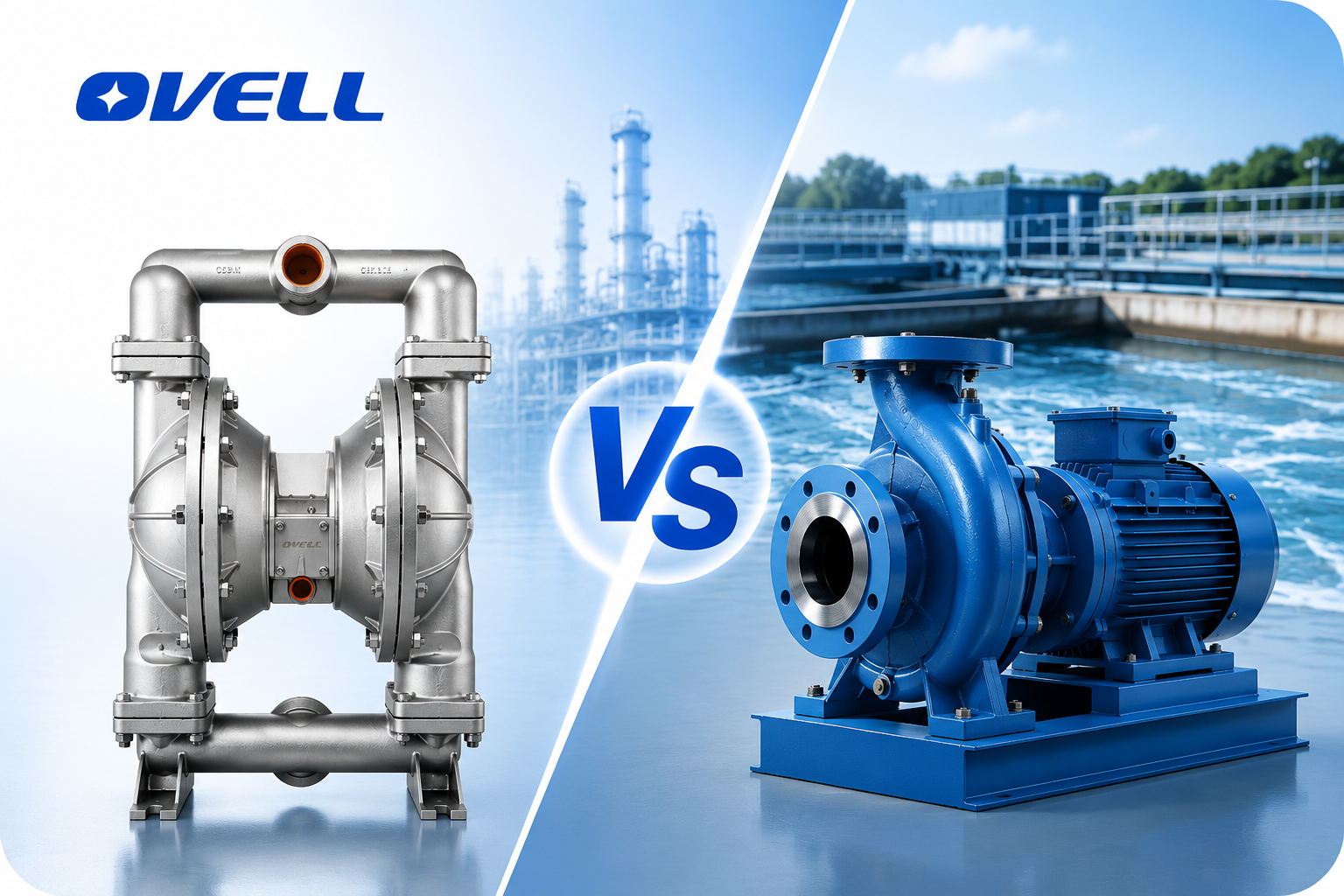
Ovell Pump is the preferred choice for oil and gas operators because our equipment handles the "dirty" jobs that centrifugal pumps cannot. While traditional pumps struggle with air pockets or abrasive solids found in drilling mud, our air operated double diaphragm pump thrives in those conditions. The lack of mechanical seals eliminates the number one cause of pump failure in the oil patch, providing a reliable solution for everything from glycol transfer to crude oil skimming.
Maximizing ROI in Oil and Gas Operations
For energy companies, the total cost of ownership is the most important metric. Ovell Pump delivers a superior ROI by focusing on durability and simplified maintenance.
Reduced Risk of Costly Hydrocarbon Leaks: Our seal-less design ensures that hazardous hydrocarbons stay inside the lines. This prevents the loss of valuable product and the high costs of environmental cleanup at the wellhead.
Lower Maintenance Intensity: With fewer moving parts than complex motor driven systems, our units can be repaired in the field with standard tools. This minimizes the need for specialized service contracts and reduces downtime for the rig.
Energy Versatility: Because our pumps can be powered by compressed air or even natural gas in certain field applications, they offer a versatile solution for sites without reliable access to the electrical grid.
Long-Term Durability: By using high performance elastomers that are resistant to swelling and degradation in the presence of oil, we ensure that our equipment remains in service longer than standard commercial units.
Ovell Pump: Precision Engineering for the Oil and Gas Industry
As a trusted diaphragm pump manufacturer, Ovell Pump is committed to supporting the oil and gas industry with reliable and safe fluid transfer technology. We offer a diverse range of products tailored for the unique requirements of upstream extraction and downstream refining, ensuring that global energy facilities maintain maximum operational uptime in the most demanding environments.
Standard Pumping Solutions
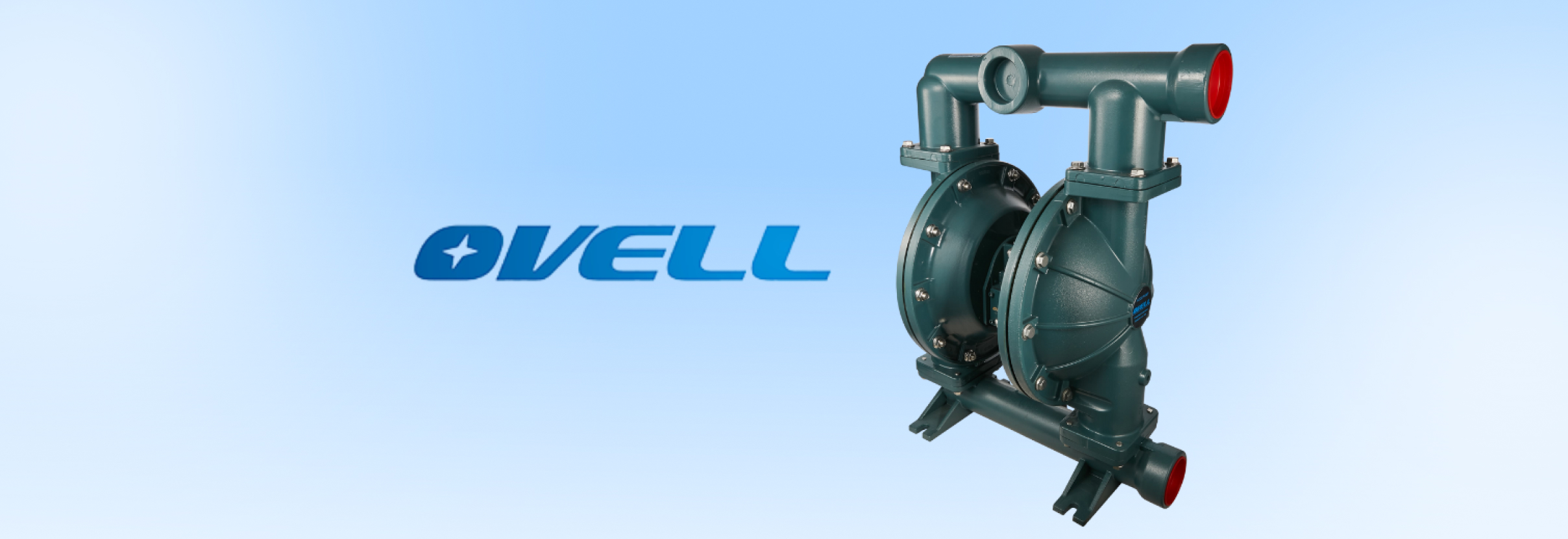
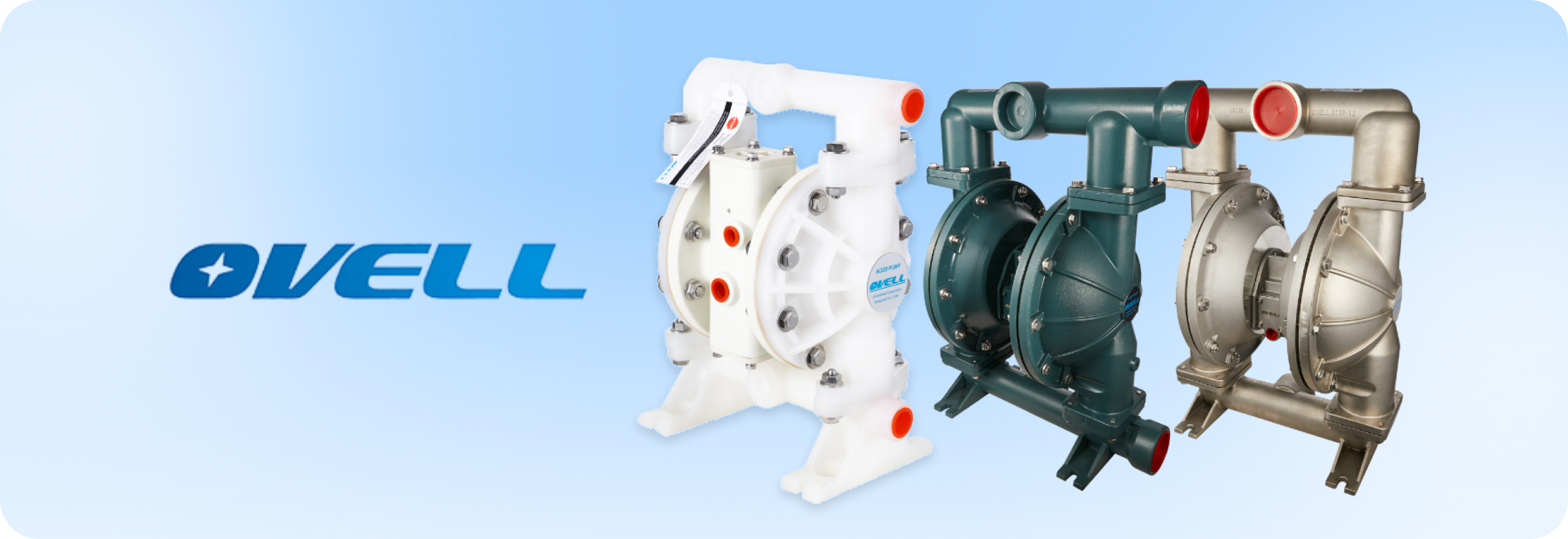
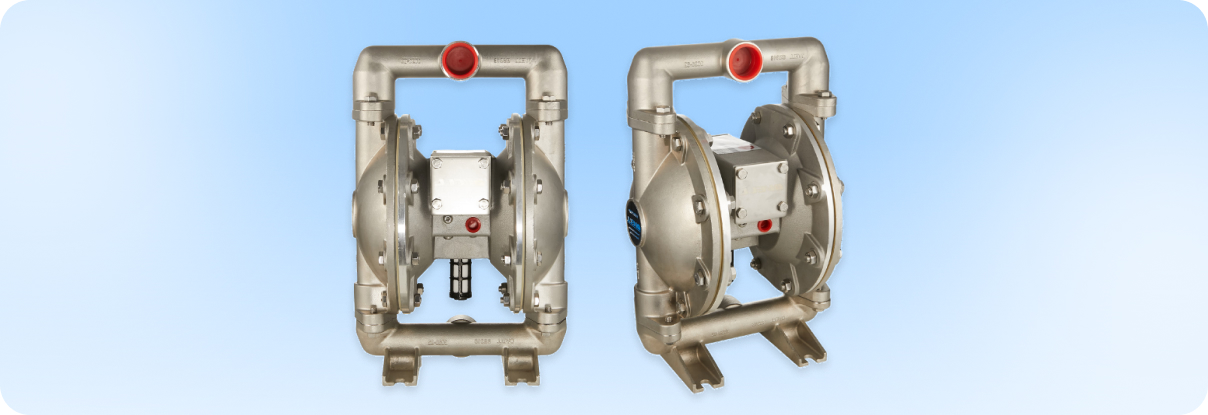
Stainless Steel Diaphragm Pump: This is the primary choice for offshore platforms and coastal refineries where salt air and corrosive crude require a high level of structural integrity and corrosion resistance.
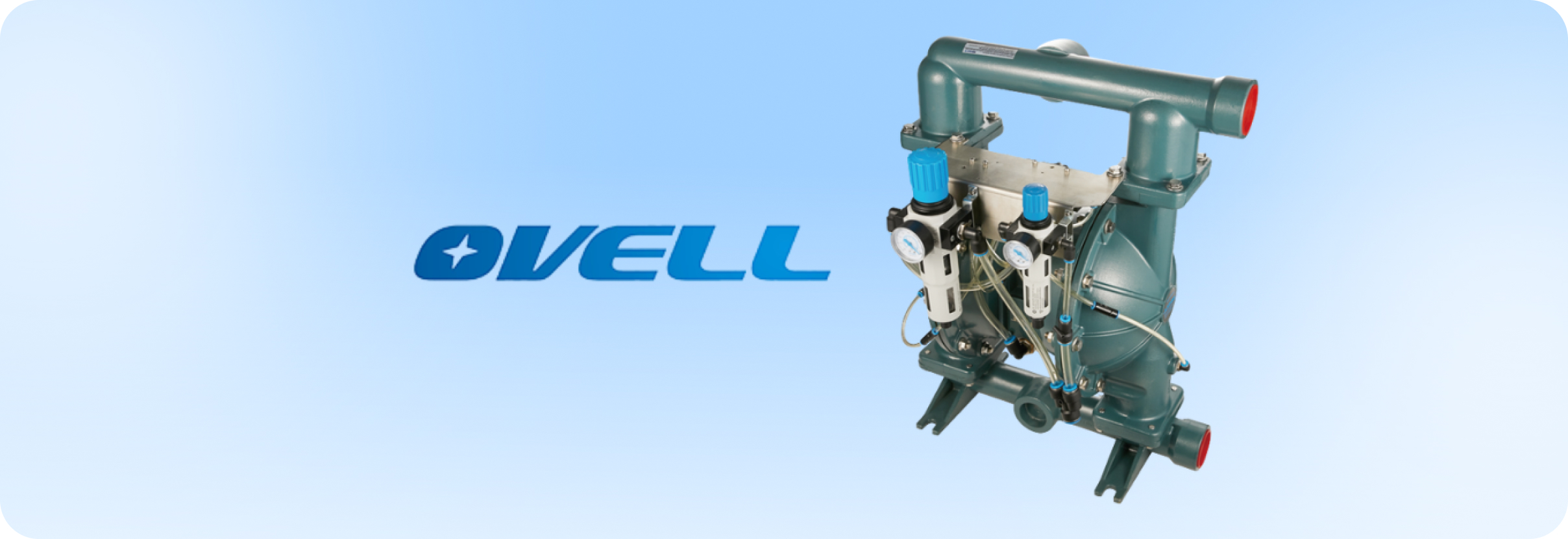
Aluminum Diaphragm Pump: A lightweight and spark resistant option frequently used for the portable transfer of petroleum products, lubricants, and general utility dewatering across the oil patch.
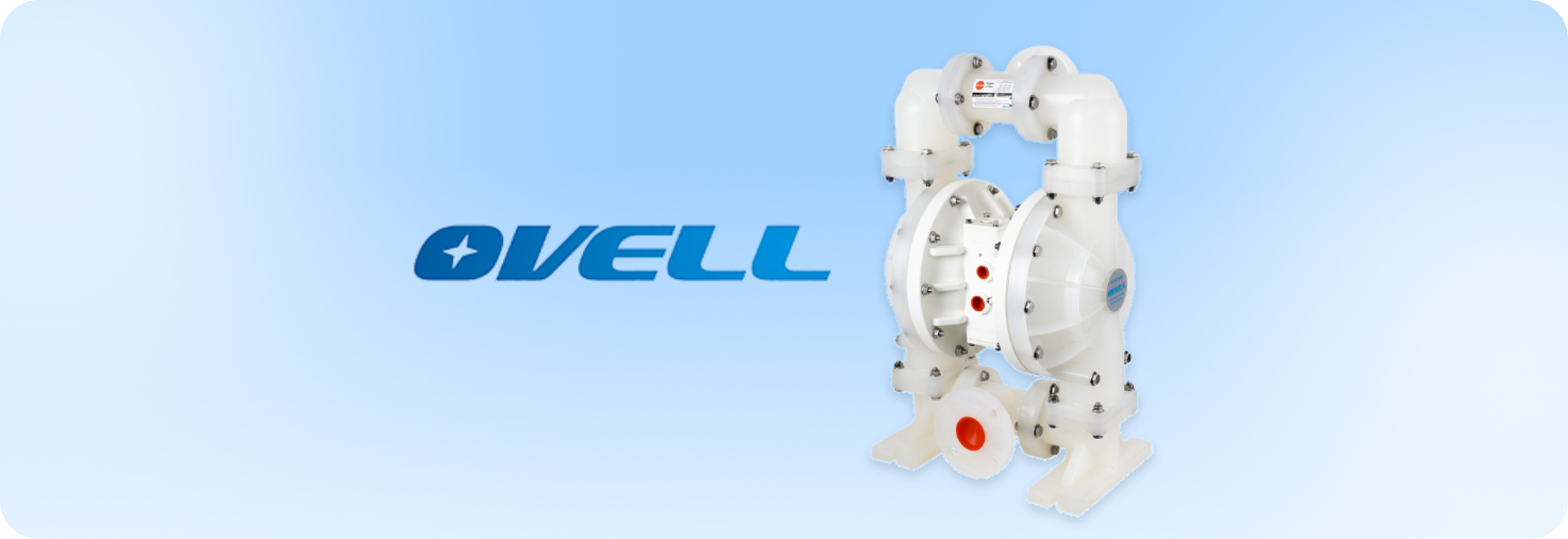
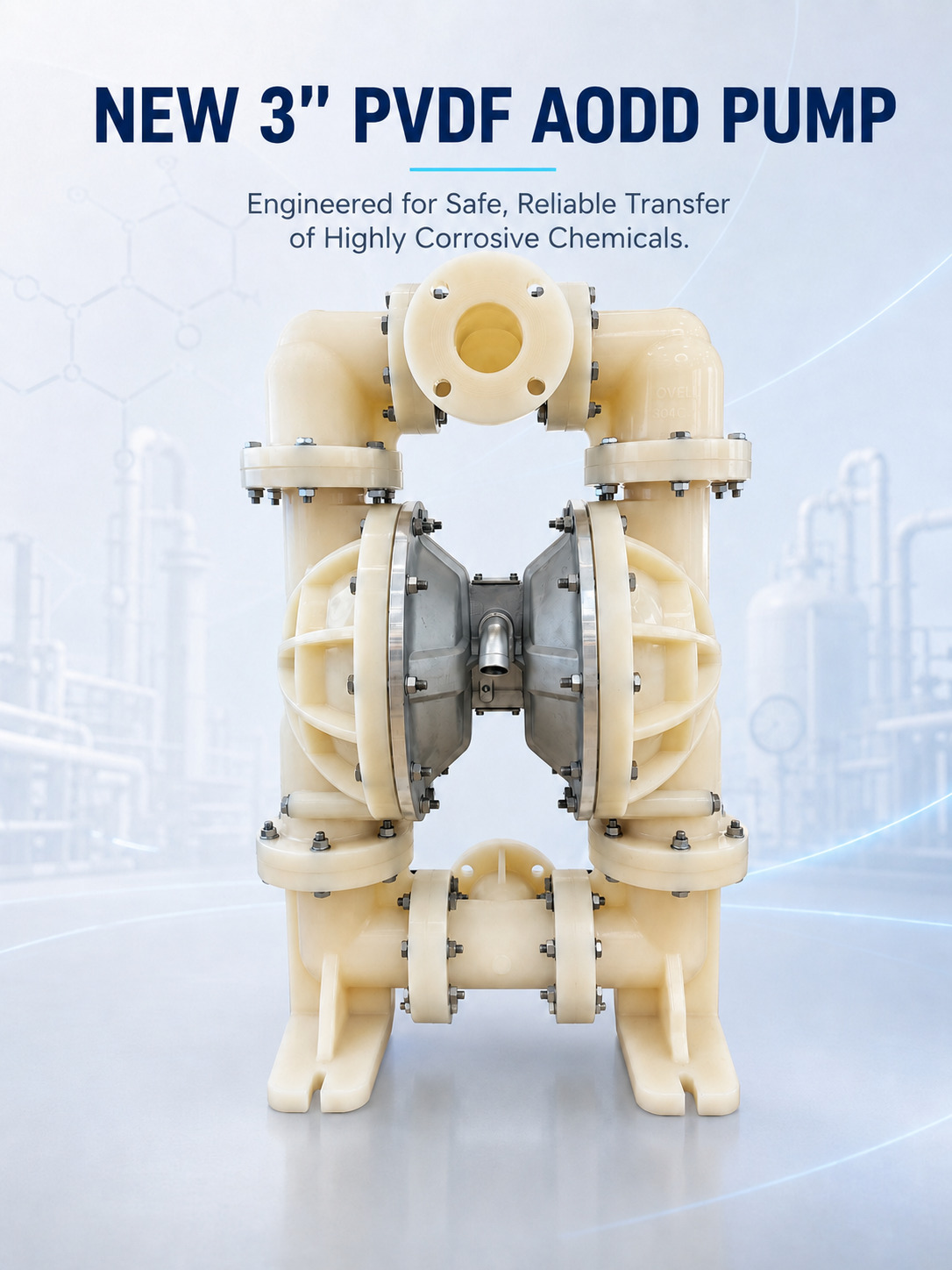
Plastic Air Operated Diaphragm Pump: Engineered for chemical resistance, these units are essential for managing the aggressive reagents and acids used in oilfield water treatment and secondary recovery processes.
Specialty Pumping Solutions
Electric Double Diaphragm Pump: These energy efficient, motor driven units allow refineries to maintain precise flow control in continuous duty applications while reducing reliance on compressed air systems.
Diaphragm Metering Pump: Precision engineered units utilized for the accurate injection of scale inhibitors, biocides, and corrosion inhibitors directly into the wellhead or process stream.
Pneumatic Powder Diaphragm Pump: A specialized solution for the dust free transfer of catalysts and bulk powders used in mud mixing or refinery process towers.
Conclusion
The oil and gas industry requires equipment that can match its own resilience and technical complexity. The air operated diaphragm pump solutions from Ovell Pump provide the safety, durability, and versatility needed to manage the world’s most demanding energy assets. By focusing on intrinsic safety, high solids handling, and a significant ROI, Ovell Pump ensures that energy producers can meet global demand while maintaining the highest standards of safety and operational efficiency.


.svg)



.png)