Mon - Fri: 9:00 - 19:00 / Closed on Weekends

AUS: +61 431 085 666
USA: +64 21 480 290


.svg)


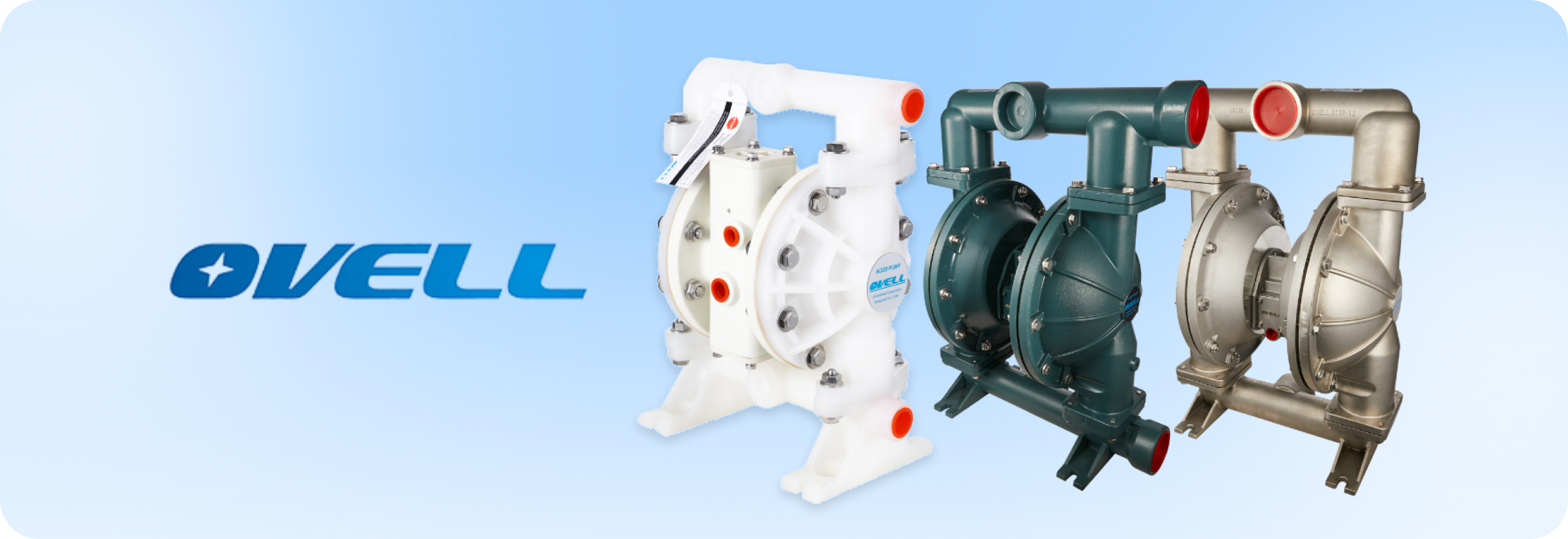
Choosing the right diaphragm pump is critical for ensuring reliable fluid transfer, minimizing downtime, and protecting your process equipment. Different industries—such as chemical processing, food and beverage, pharmaceuticals, mining, and wastewater treatment—have unique requirements related to fluid properties, safety, hygiene, and operating conditions.
With so many options available, including air operated diaphragm pumps, pneumatic diaphragm pumps, and electric diaphragm pumps, understanding how each type works and where it performs best is essential. This guide will walk you through the fundamentals, applications, and selection criteria to help you choose the most suitable diaphragm pump for your industry.
A diaphragm pump is a positive displacement pump that uses one or two flexible diaphragms to move fluid in and out of a pump chamber. As the diaphragm moves back and forth, it creates suction and discharge actions through check valves, allowing controlled and consistent fluid transfer.
Because the pumped fluid is completely separated from the drive mechanism, diaphragm pumps are widely used for handling corrosive, abrasive, viscous, or shear-sensitive fluids.
Understanding how a diaphragm pump works helps clarify why it is suitable for demanding industrial applications.
In double diaphragm pumps, two diaphragms work alternately, ensuring smoother flow and reduced pulsation.
Selecting the correct pump starts with understanding the types of diaphragm pumps available.
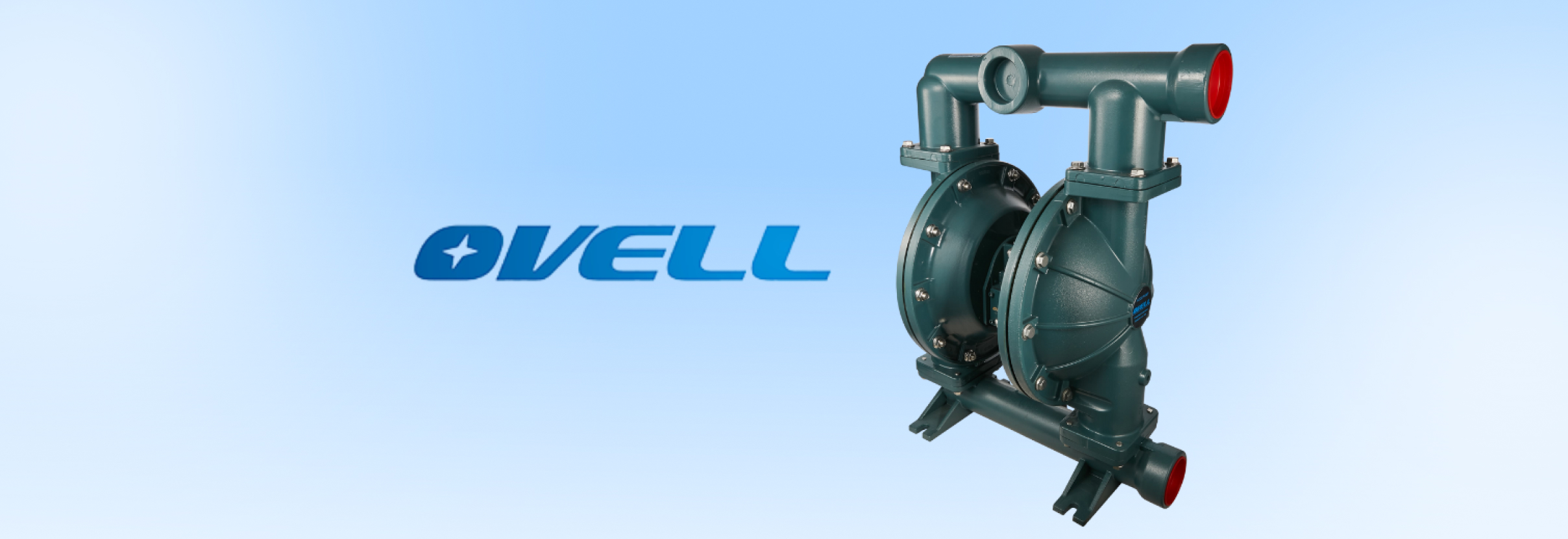
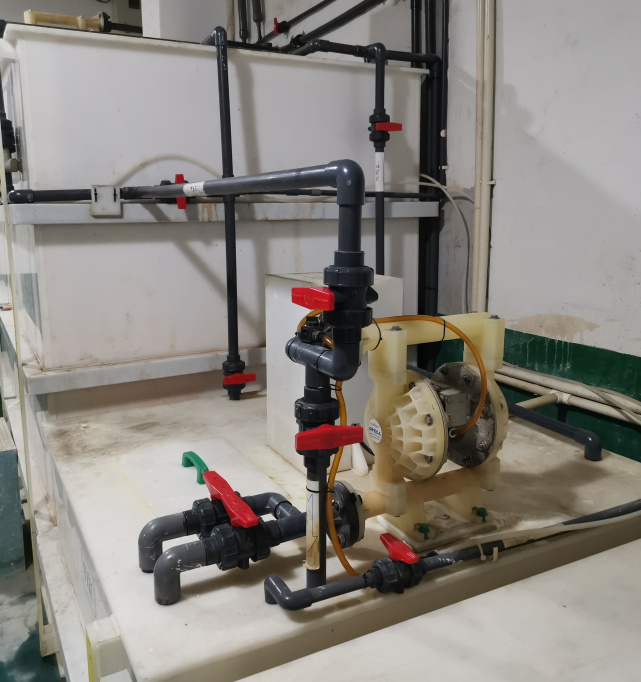
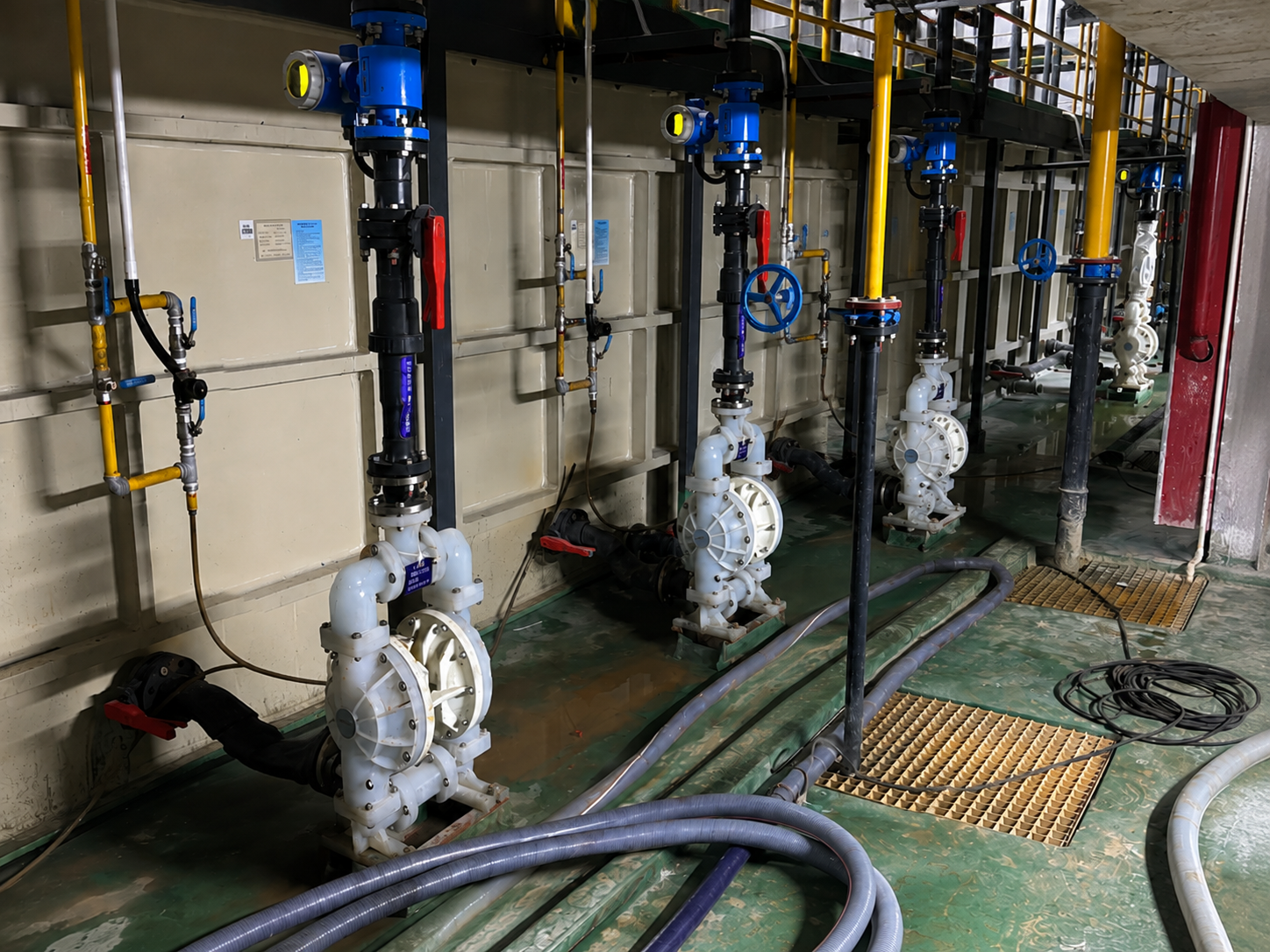
An air operated diaphragm pump uses compressed air to drive the diaphragms.
Key advantages:
These pumps are ideal for chemical plants, paint and coating lines, mining, and wastewater treatment.
A pneumatic diaphragm pump is often used interchangeably with AODD pumps. It offers excellent reliability in harsh conditions where electricity is unsafe or unavailable.
An electric diaphragm pump uses an electric motor instead of compressed air.
Key advantages:
These pumps are commonly used in hygienic applications, dosing systems, and processes requiring stable flow rates.
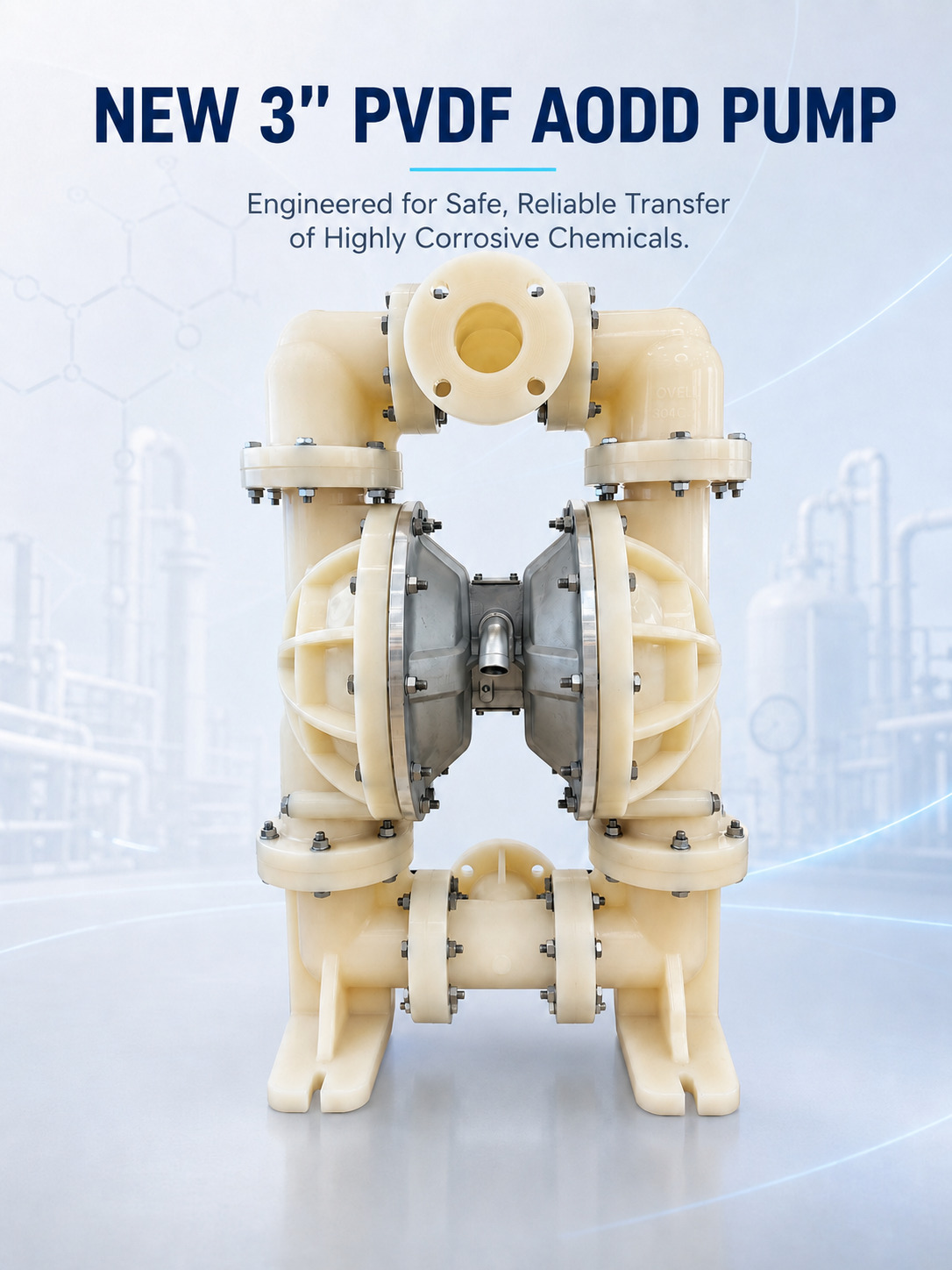
Chemical applications often involve corrosive, toxic, or volatile fluids. A diaphragm chemical pump with PTFE or other chemical-resistant diaphragms is essential.
Recommended features:
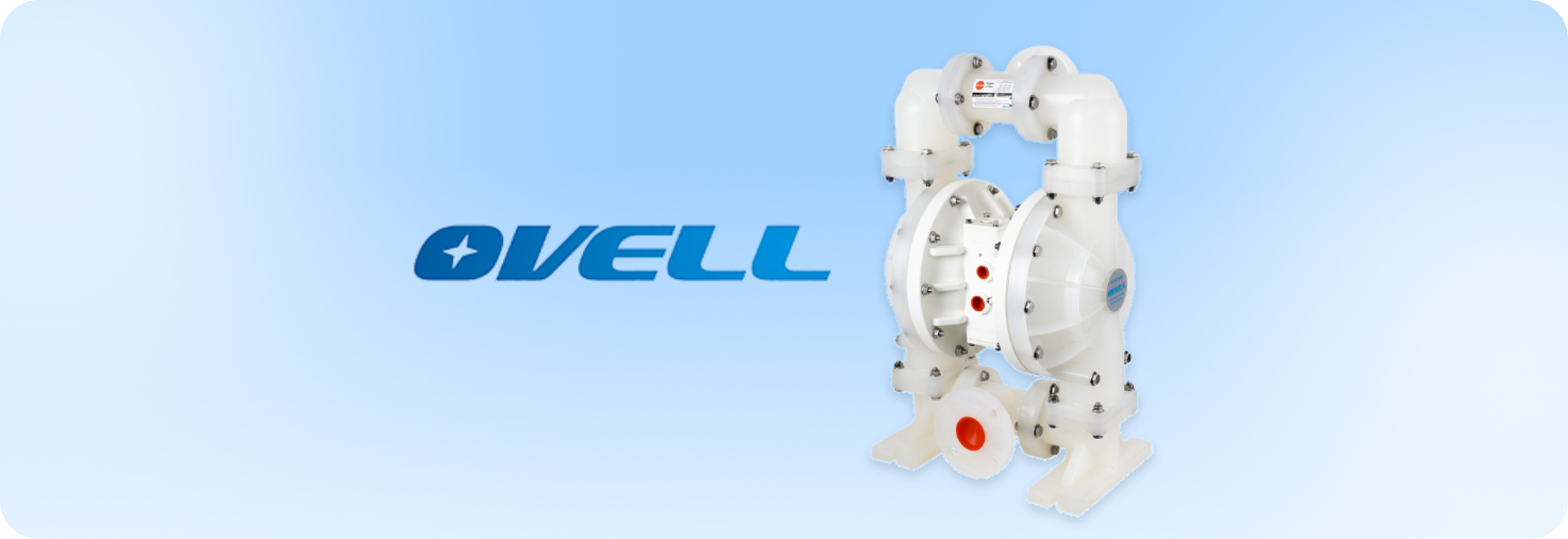
Hygienic processes require pumps that meet strict sanitation standards.
Best choice:
Mining operations often handle slurries and abrasive materials.
Recommended solution:
For sludge, chemicals, and wastewater transfer:
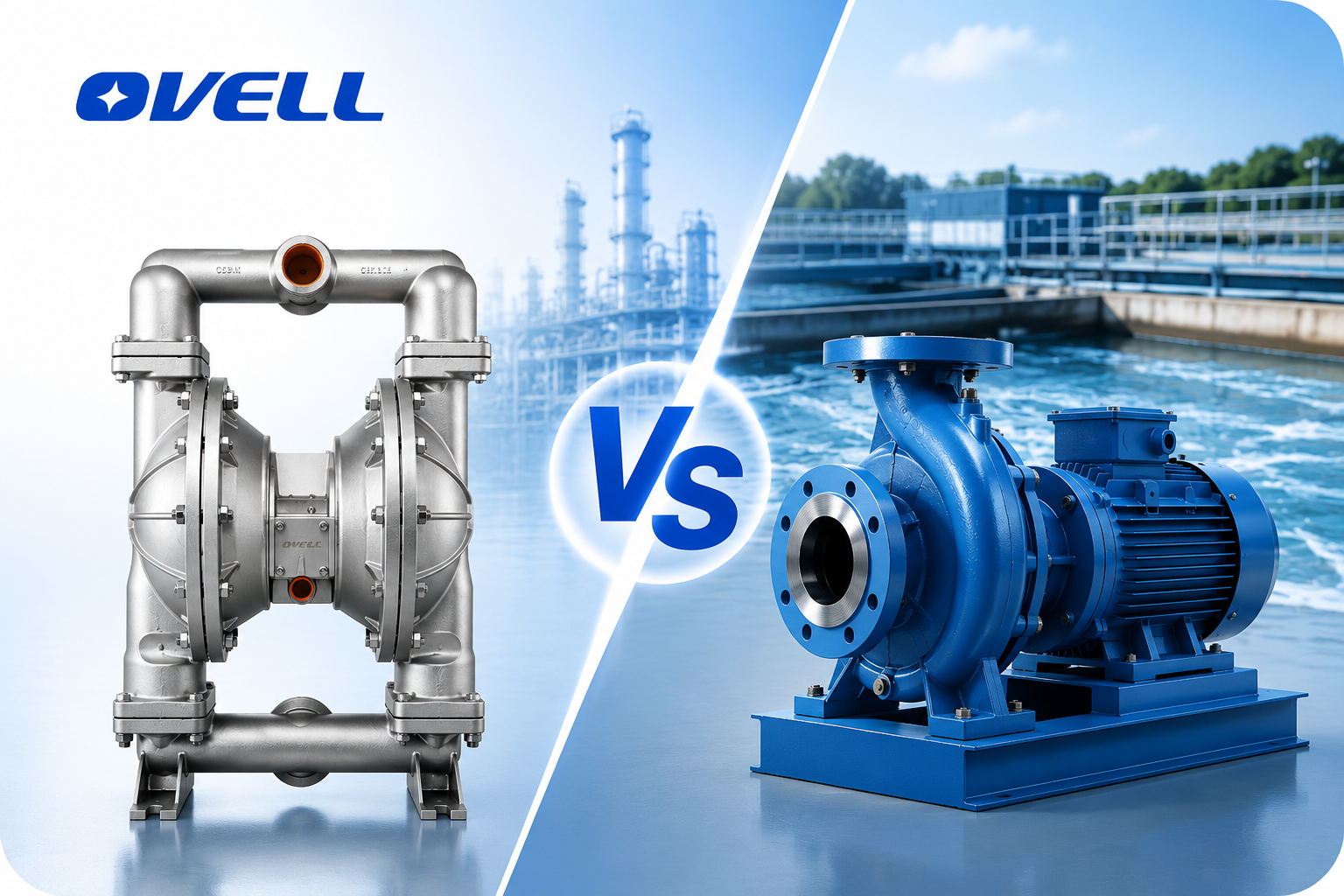
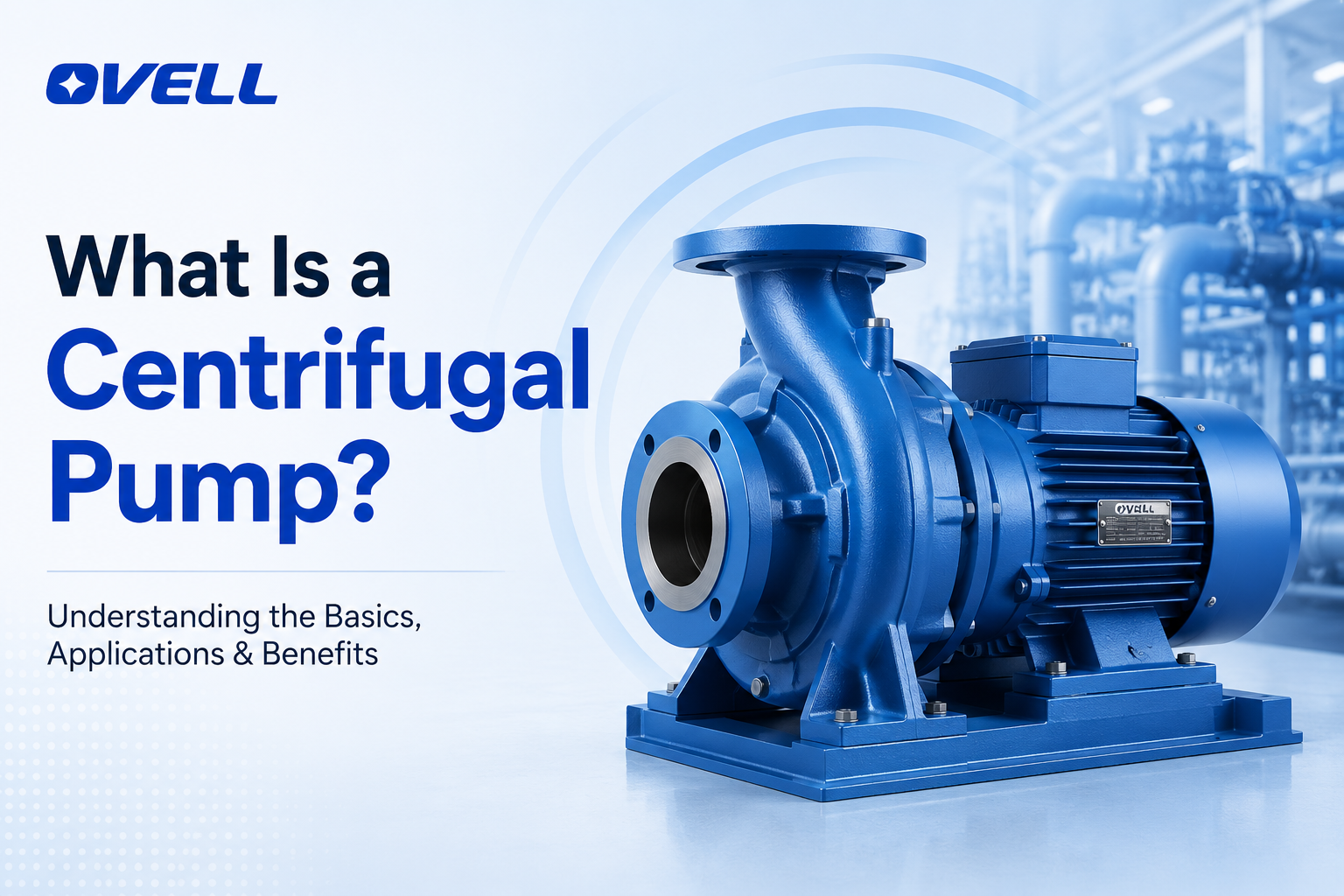
Understanding diaphragm pump vs centrifugal pump differences helps avoid costly mistakes.

For viscous, abrasive, or sensitive fluids, a diaphragm pump is often the better choice.
Yes. One major advantage of diaphragm pumps is that they can run dry without causing damage. This makes them highly reliable in applications where fluid supply may be inconsistent or intermittent.
Typical Diaphragm Pump Problems
Maintenance Tips
Proper diaphragm pump maintenance significantly extends pump life and ensures stable operation.
When choosing the right diaphragm pump for your industry, consider:
Selecting the right diaphragm pump is not just about flow rate—it’s about understanding your industry requirements, fluid characteristics, and operating conditions. By choosing the correct air operated diaphragm pump, electric diaphragm pump, or double diaphragm pump, you can improve efficiency, reduce downtime, and extend equipment life.
Ovell’s diaphragm pump solutions are designed to meet the diverse needs of modern industries, delivering reliability, safety, and performance where it matters most.

.png)