Mon - Fri: 9:00 - 19:00 / Closed on Weekends

AUS: +61 431 085 666
USA: +64 21 480 290


.svg)


With rising energy costs and stricter environmental regulations, energy efficiency is no longer optional—it is a strategic requirement. Industrial enterprises are increasingly evaluating equipment not only based on performance, but also on total energy consumption, carbon footprint, and lifecycle cost.
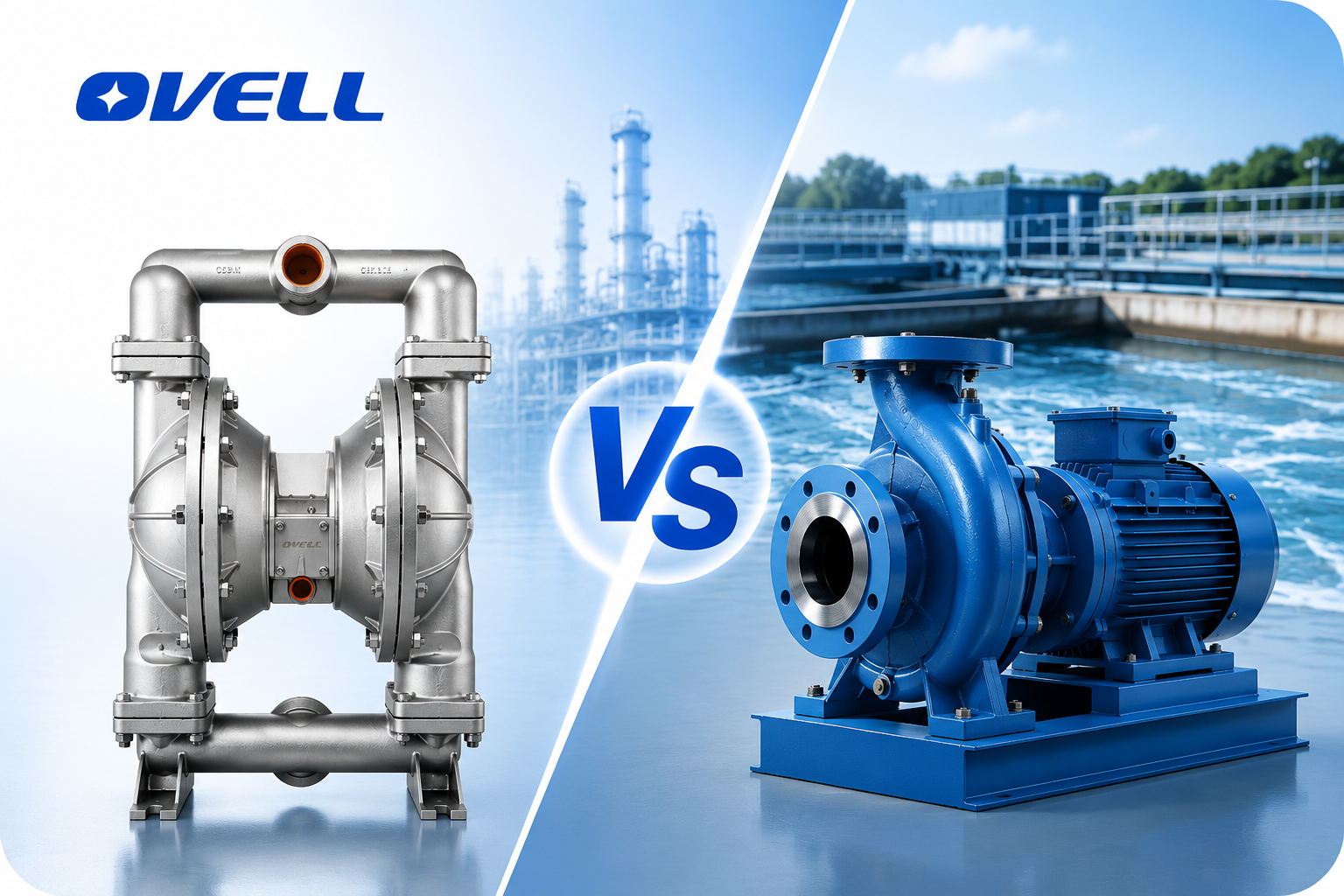
Among fluid handling solutions, diaphragm pumps are widely used across chemical processing, water treatment, food & beverage, and manufacturing industries. However, choosing between an electric diaphragm pump and an air operated diaphragm pump (AODD pump) can significantly impact long-term operational efficiency and sustainability goals.
This article provides a practical energy efficiency and cost comparison to help decision-makers choose the right diaphragm pump technology for long-term value.
Electric Diaphragm Pump
An electric diaphragm pump uses an electric motor to drive the diaphragm motion. These pumps are designed for stable, continuous operation and are increasingly adopted in energy-conscious industrial environments.
Key characteristics:
Air Operated Diaphragm Pump
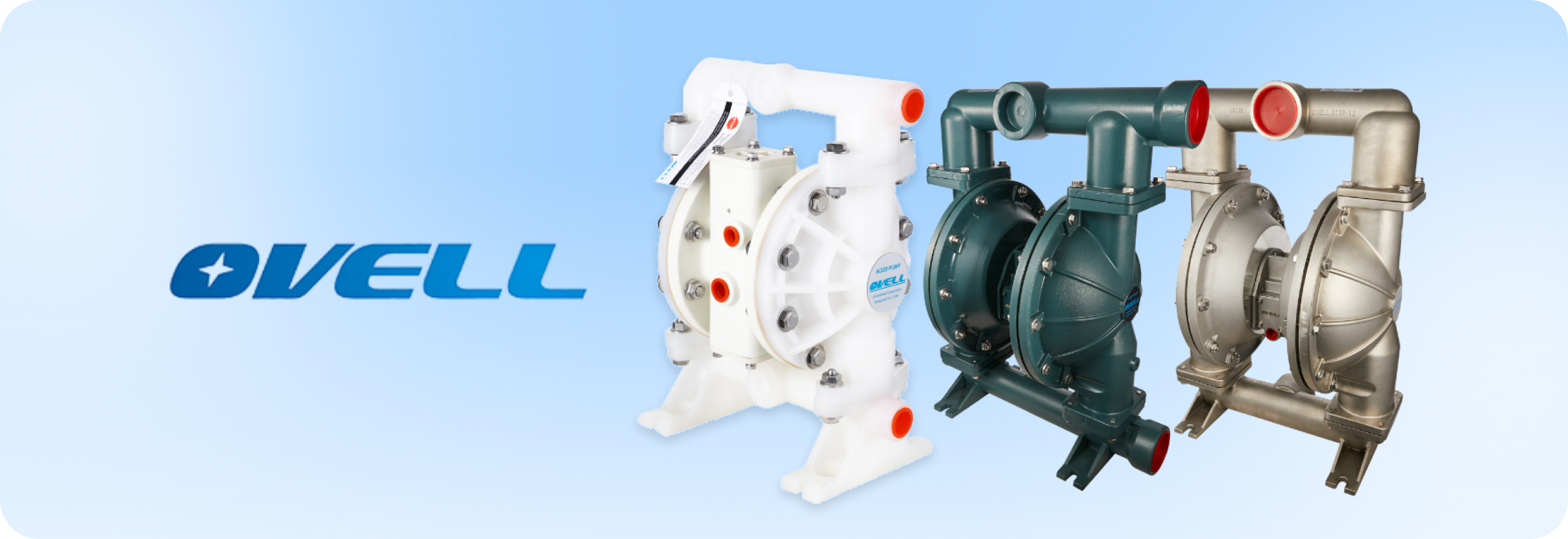
An air operated diaphragm pump, also known as a pneumatic diaphragm pump, uses compressed air as its power source. These pumps are valued for safety and durability in harsh environments.
Key characteristics:
Energy Conversion Efficiency
One of the most critical differences lies in how energy is converted:
In most industrial settings, compressed air systems operate at only 10–20% overall efficiency, making pneumatic pumps significantly more energy-intensive.
Operating Energy Consumption
When comparing electric diaphragm pumps and air operated diaphragm pumps, the differences in energy use and cost behavior become clear:
Electric Diaphragm Pump
Air Operated Diaphragm Pump
From an energy consumption standpoint, electric diaphragm pumps are clearly superior for continuous or long-term operation.
Energy efficiency must be evaluated alongside total cost of ownership, not just purchase price.
Initial Investment
Long-Term Operating Costs
For operations running multiple shifts or continuous processes, electric diaphragm pumps typically deliver lower lifecycle costs within 12–24 months.
Flow and Pressure Control
Process Stability
Reducing energy consumption directly supports carbon emission reduction goals.
For companies pursuing ESG targets and industrial decarbonization, electric diaphragm pumps align more closely with sustainability strategies.
Best Applications for Electric Diaphragm Pumps
Best Applications for Air Operated Diaphragm Pumps
Compared to centrifugal pumps, diaphragm pumps maintain efficiency under variable flow and pressure conditions. Electric diaphragm pumps, in particular, combine positive displacement accuracy with lower energy waste, making them ideal for modern energy-efficient plants.
1. Are electric diaphragm pumps more energy-efficient than pneumatic pumps?
Yes. Electric diaphragm pumps avoid compressed air losses and consume significantly less energy.
2. Why are air operated diaphragm pumps still widely used?
They offer unmatched safety, durability, and simplicity in harsh or hazardous environments.
3. Which pump is better for long-term investment?
For continuous operation and energy savings, electric diaphragm pumps provide better long-term ROI.
4. Do pneumatic diaphragm pumps increase carbon emissions?
Indirectly, yes—due to inefficient compressed air systems.
5. Can electric diaphragm pumps handle abrasive fluids?
Yes, with proper diaphragm and valve material selection.
6. How do I choose the right diaphragm pump for my plant?
Consider energy cost, duty cycle, safety requirements, and total lifecycle cost.
The comparison between electric diaphragm pumps and air operated diaphragm pumps is no longer just about performance—it is about energy efficiency, sustainability, and long-term cost control.
For industries focused on reducing energy consumption and achieving sustainable growth, electric diaphragm pumps offer a compelling advantage. However, pneumatic diaphragm pumps remain indispensable in specific high-risk or rugged applications.
As a trusted industrial pump manufacturer, Ovell provides both electric and air operated diaphragm pump solutions designed to meet modern efficiency standards while ensuring reliability and safety.

.png)