Mon - Fri: 9:00 - 19:00 / Closed on Weekends

AUS: +61 431 085 666
USA: +64 21 480 290


.svg)


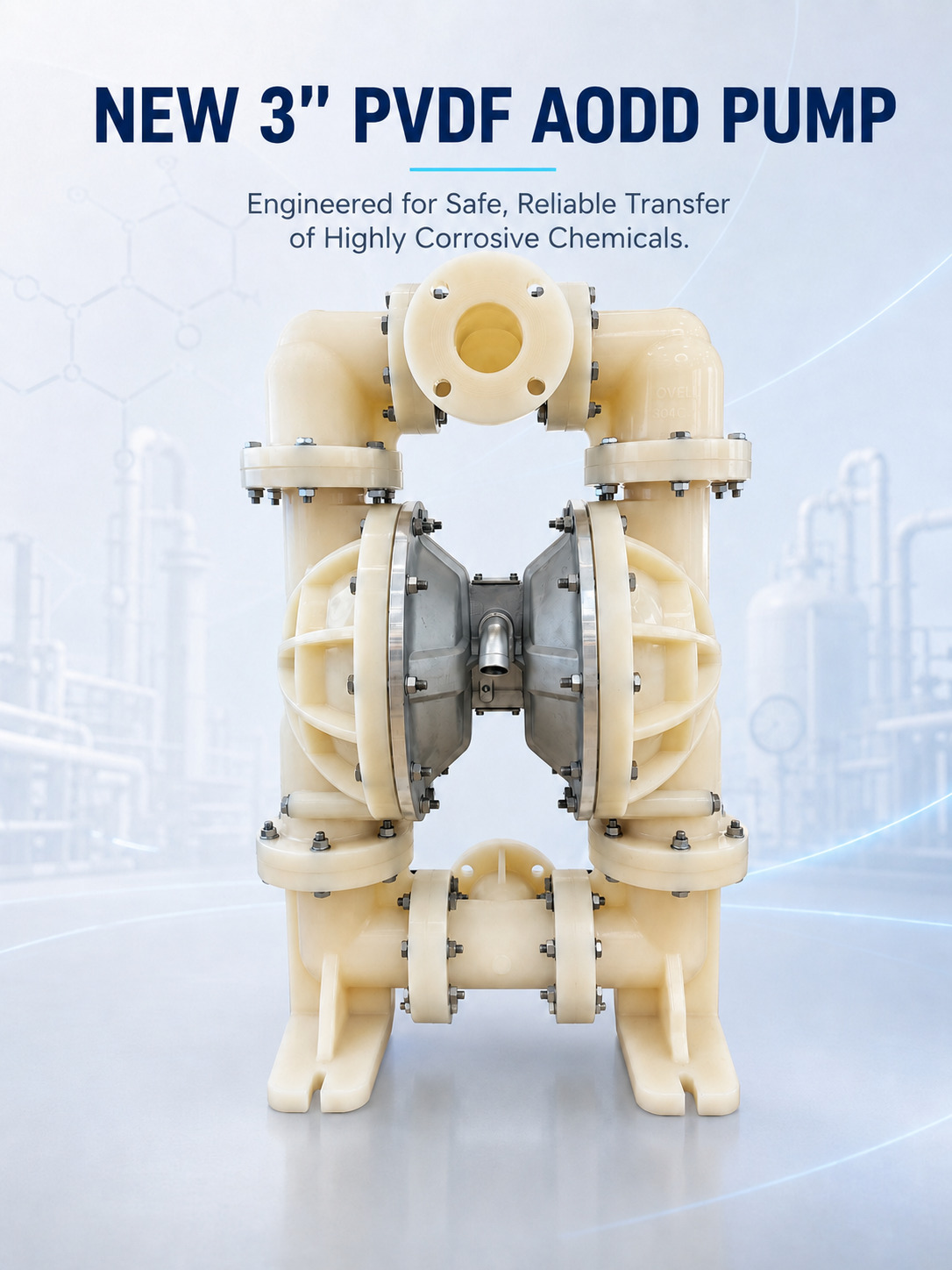
An AODD pump (air operated double diaphragm pump) is a type of diaphragm pump powered by compressed air and designed for industrial fluid transfer. An AODD pump—also known as an air operated diaphragm pump, double diaphragm pump, or pneumatic diaphragm pump—is widely used across industries because it can transfer abrasive, viscous, corrosive, and solid-laden fluids safely and efficiently.
Unlike many conventional pumps, an air operated double diaphragm pump can run dry, self-prime, and handle fluids with varying viscosities. These capabilities make it one of the most reliable pumping technologies for chemical transfer, wastewater treatment, mining, coatings, food processing, and many other industrial applications.
In this guide, we will explain what an AODD pump is, how it works, common applications, advantages, maintenance basics, comparisons with centrifugal pumps, and how to choose the right industrial diaphragm pump for your operation.
An air operated double diaphragm pump is a positive displacement diaphragm pump powered by compressed air instead of electricity.
The term “double diaphragm” refers to two flexible diaphragms mounted inside the pump chamber. These diaphragms move back and forth through alternating compressed air pressure, creating suction and discharge cycles that move liquids through the system.
At its core, an AODD pump converts pneumatic energy into fluid movement.
Because compressed air powers the unit, there are no electric motors involved. This design makes the pump especially valuable in:
A major reason industries prefer an air operated diaphragm pump is its ability to tolerate difficult fluids without damage.
For example, while a traditional centrifugal pump may struggle with slurries or high-viscosity liquids, a double diaphragm pump can often move them without clogging or excessive wear.
AODD stands for: Air Operated Double Diaphragm
Each part of the name matters:
Air Operated: Powered by compressed air
Double: Uses two diaphragms
Diaphragm: Flexible membrane that moves fluid
The technology is widely recognized under several related terms:
Using these terms interchangeably is common in industrial purchasing and engineering discussions.
Understanding how an AODD pump works is important if you want to choose the right equipment or troubleshoot performance issues.
The AODD pump working principle is surprisingly simple.
Compressed air enters an internal air valve system and alternates between two diaphragm chambers. As one diaphragm moves inward, it pushes liquid out of the discharge side. At the same time, the opposite diaphragm creates suction to pull fluid into the chamber.
This alternating action produces continuous pumping.
A standard diaphragm pump contains several important components:
Diaphragms - Create suction and discharge movement
Air Valve - Controls airflow direction
Ball Check Valves - Prevent reverse flow
Fluid Chambers - Hold pumped media
Manifolds - Direct inlet and outlet flow
Material selection also matters.
For example:
Choosing compatible materials helps extend pump life and improve reliability.
Here is a simplified explanation of the AODD pump working principle:
Compressed air flows into the pump’s air distribution system.
Air pressure pushes one diaphragm inward, forcing fluid out.
The connected diaphragm moves outward, creating vacuum pressure and drawing liquid inside.
The valve redirects compressed air to the opposite chamber.
This repeated reciprocating motion maintains a steady pumping cycle.
The beauty of this system lies in its simplicity.
Since there are relatively few moving parts and no mechanical seals, an AODD pump can often tolerate harsher conditions than many other pump types.
An industrial diaphragm pump is popular because it solves several operational challenges at once.
Instead of relying on speed or impeller-driven flow, a pneumatic diaphragm pump delivers reliable performance through displacement action.
Here are the most important benefits.
Yes.
One of the biggest advantages is that AODD pumps can run dry without immediate damage.
This matters in industrial environments where flow interruptions happen unexpectedly.
Many centrifugal pumps depend on liquid lubrication and cooling. Dry operation can quickly cause overheating and seal failure.
An air operated double diaphragm pump, however, tolerates intermittent dry running far better because there are no dynamic seals and compressed air powers the operation.
This feature reduces downtime and lowers maintenance risks.
Another major advantage is self-priming.
An AODD pump is considered a self-priming pump, meaning it can evacuate air and begin pumping fluid without manual priming.
This becomes especially useful when:
Self-priming capability improves operational flexibility and speeds up startup.
Need a pump for viscous fluids?
An AODD pump is often an excellent option.
Industries handling adhesives, resins, paint, sludge, oils, syrups, or polymers frequently choose double diaphragm pumps because they maintain flow even with thicker liquids.
Compared with high-speed impeller pumps, diaphragm motion handles viscosity more gently.
Benefits include:
This is why industries dealing with abrasive slurries often rely on industrial diaphragm pumps.
Many industries require a corrosion resistant pump for aggressive chemicals.
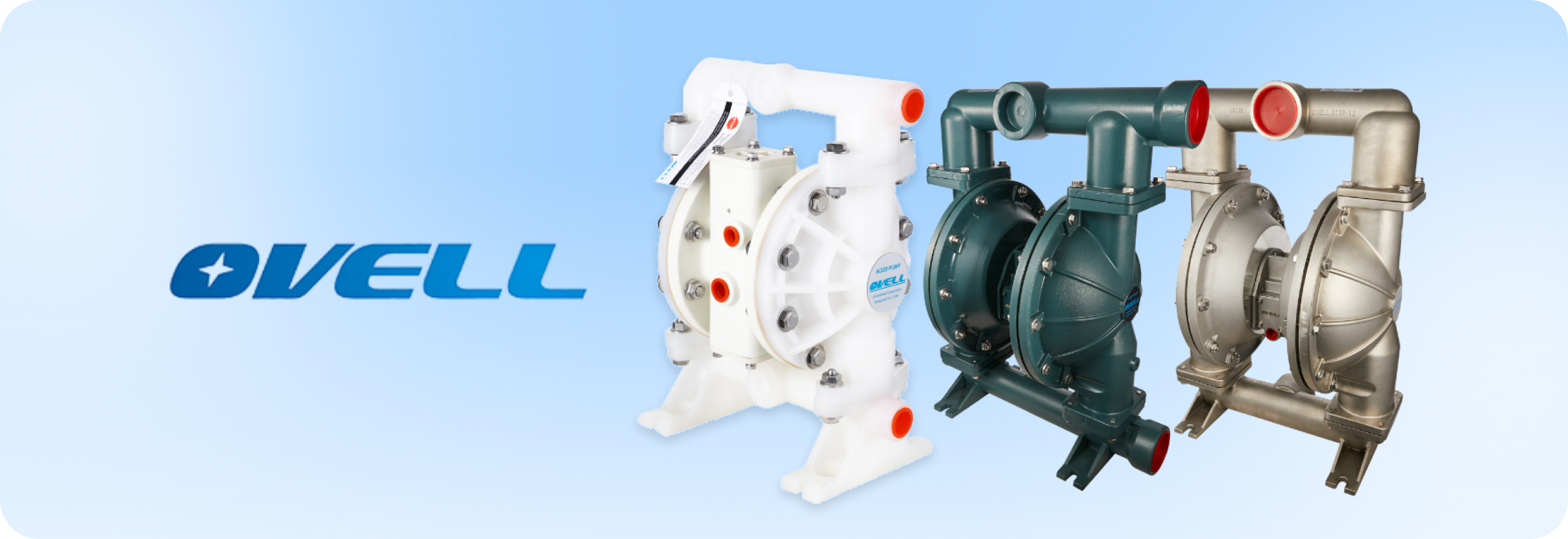
Because AODD pumps are available in:
they can transfer acids, alkalis, solvents, and corrosive chemicals safely.
This makes an AODD pump for chemical transfer one of the most common industrial use cases.
The flexibility of a diaphragm pump makes it useful across dozens of industries.
Let’s look at the most common AODD pump applications.
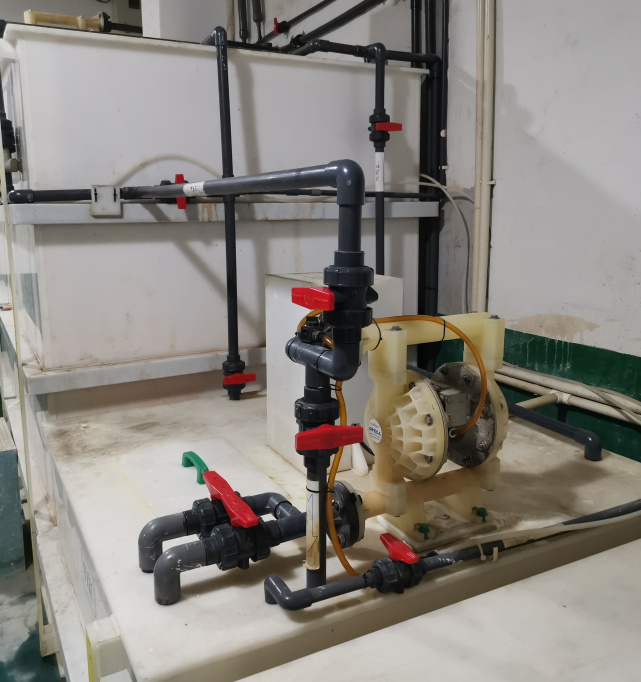
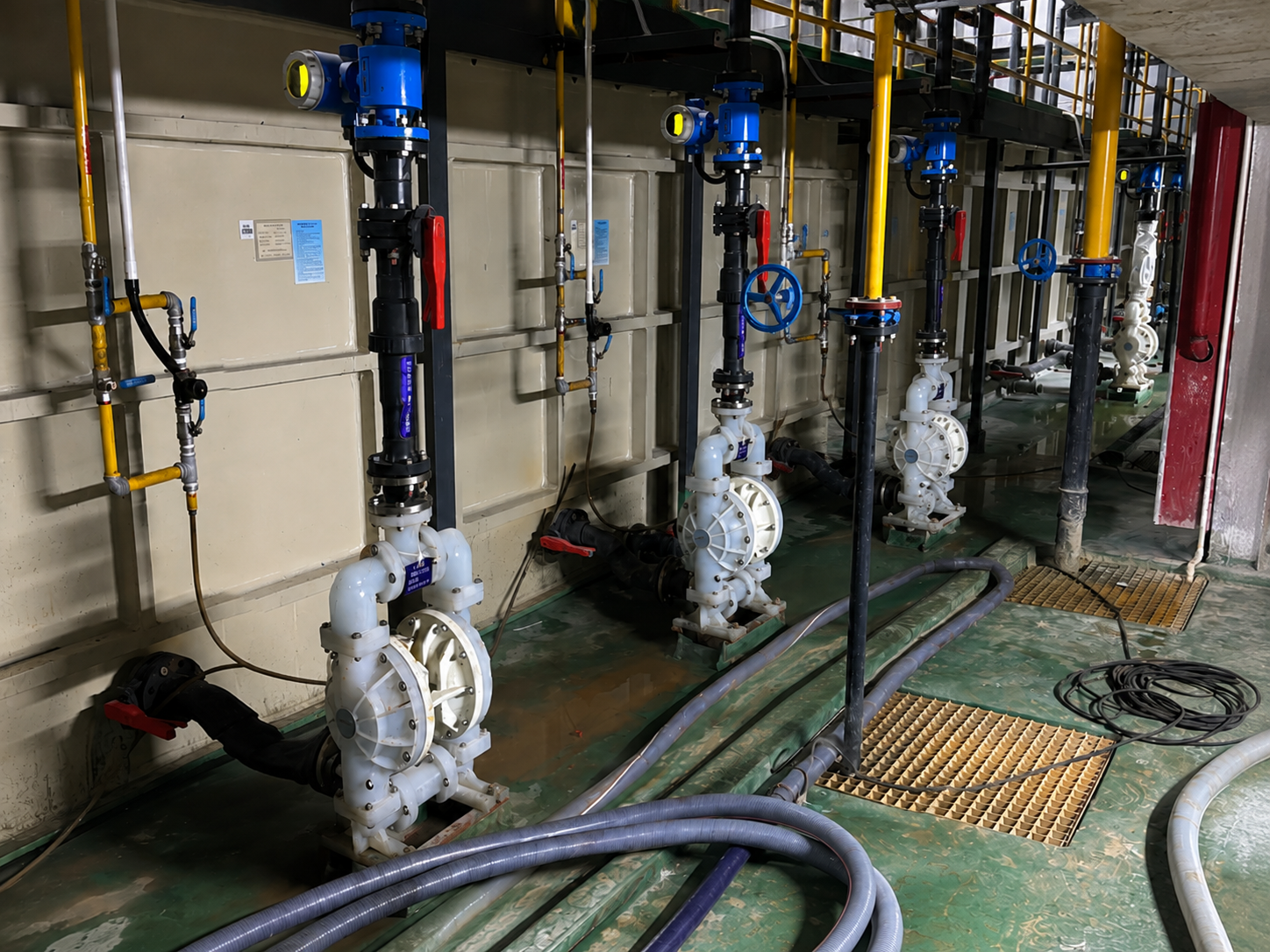
Chemical facilities often use an AODD pump for chemical transfer because of chemical compatibility and leak resistance.
Typical applications include:
Proper material compatibility remains critical.
Always match wetted materials with fluid chemistry to prevent premature wear.
A wastewater diaphragm pump performs well in environments involving sludge, suspended solids, and abrasive particles.
Common wastewater uses include:
Because an AODD pump tolerates solids better than many conventional pumps, it works effectively in harsh treatment environments.
Beyond chemical and wastewater industries, AODD pump applications extend into manufacturing, mining, coatings, food production, ceramics, oil and gas, and general industrial processing.
A well-designed industrial diaphragm pump handles challenging materials that would damage or clog traditional pumping systems.
Common industries and applications include:
For example, paint manufacturers often use an air operated diaphragm pump because it handles viscous coatings without excessive product shear.
Similarly, mining operations depend on double diaphragm pumps to transfer abrasive slurries containing suspended solids.
To better understand where an AODD pump fits, it helps to understand the broader category of diaphragm pumps.
Generally, diaphragm pumps fall into two major categories:
An air operated double diaphragm pump uses compressed air as its power source.
Best for:
Key benefits:
Electric diaphragm pumps use a motor instead of compressed air.
Best for:
However, they may not tolerate dry running or harsh media as effectively as an AODD pump.
If you want a more detailed breakdown, consider linking internally to a future article such as:
Types of Diaphragm Pumps: A Complete Industrial Guide
This approach strengthens topical authority without overloading this pillar page.
Many engineers and buyers ask whether an AODD pump is simply another diaphragm pump.
The answer is yes—but with an important distinction.
AODD pumps are one subtype of diaphragm pump.
The broader diaphragm pump family includes:
The biggest difference is power source and intended application.
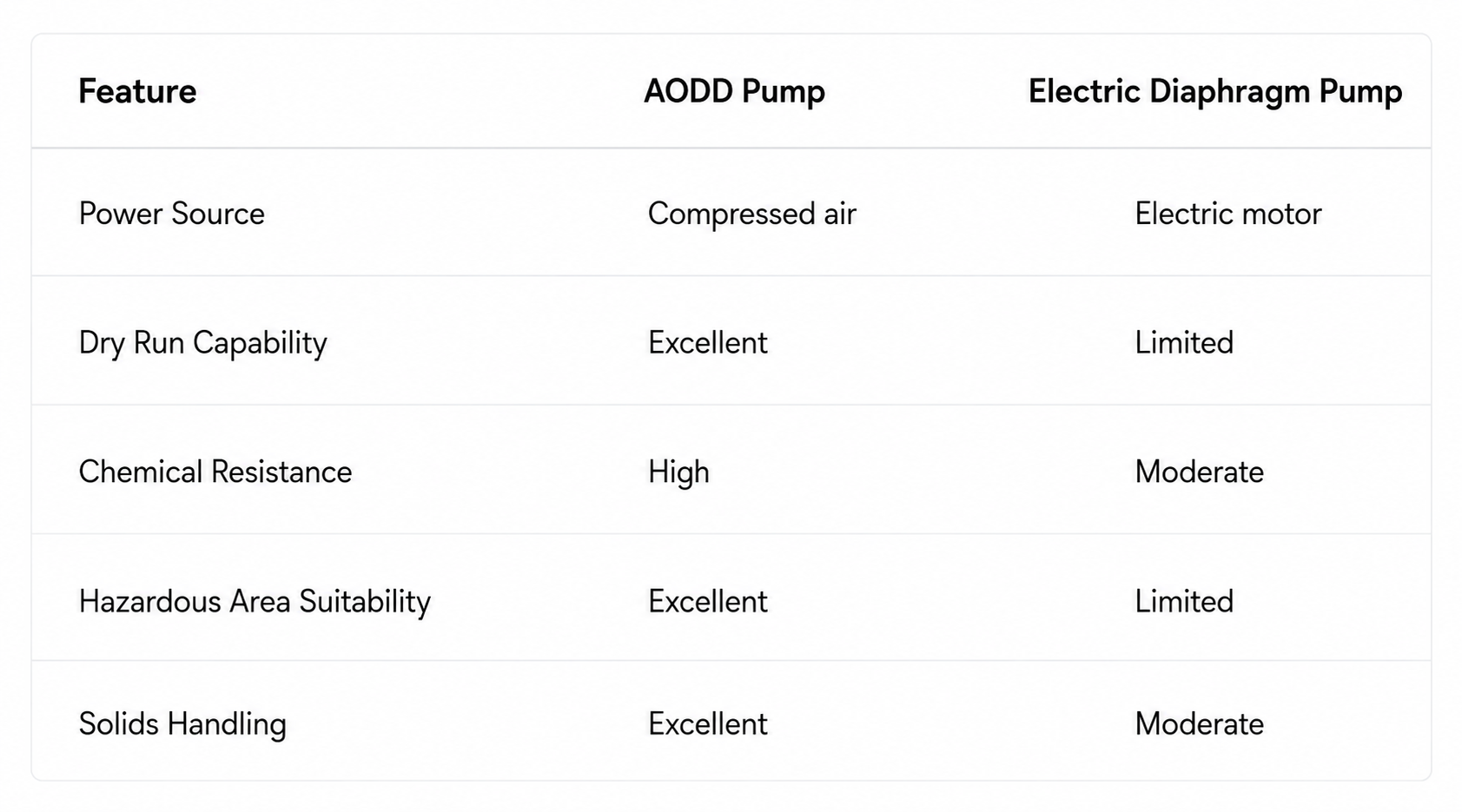
For industrial fluid transfer, an air operated double diaphragm pump often delivers better flexibility and reliability in harsh environments.
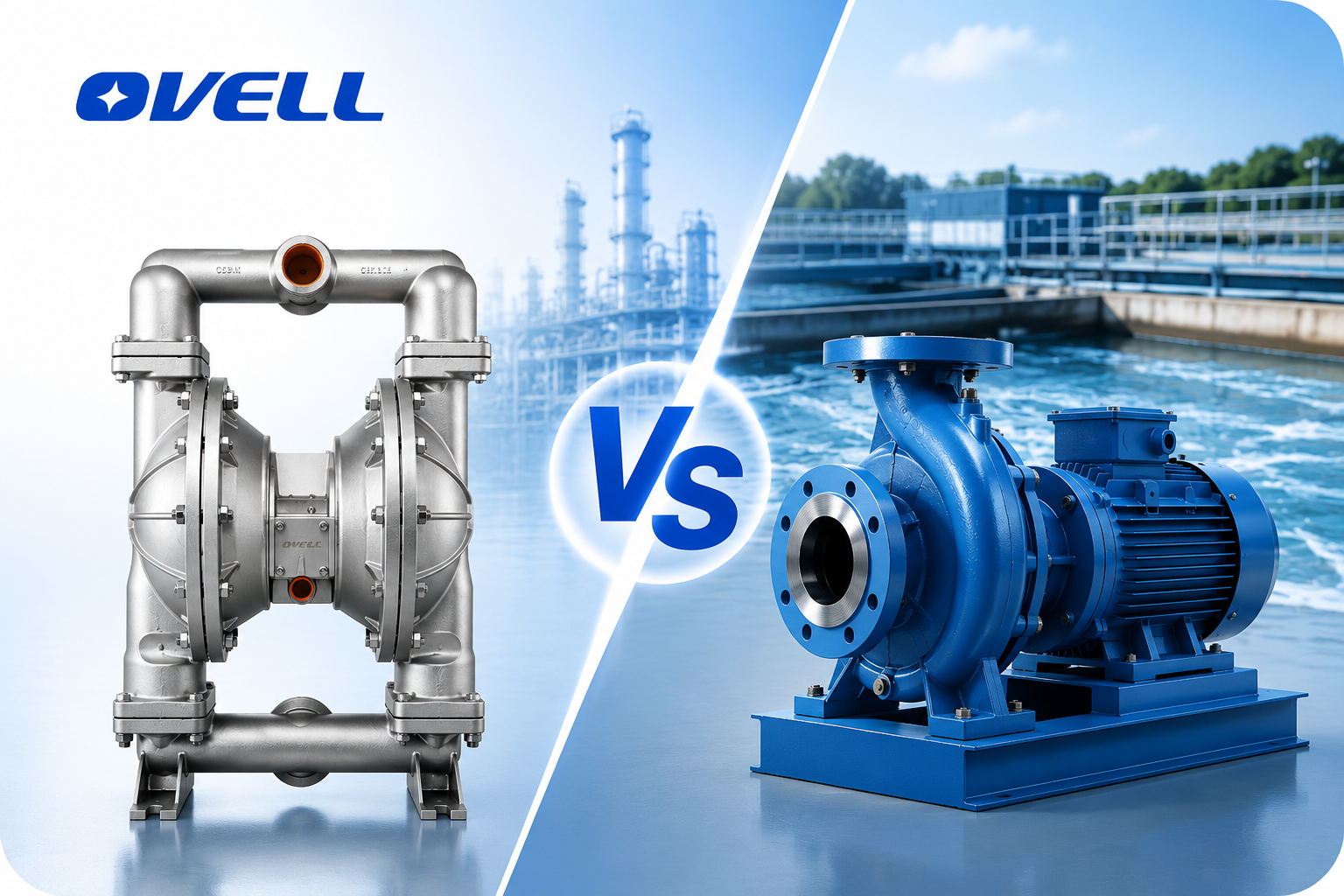
One of the most searched comparison topics is diaphragm pump vs centrifugal pump.
While both transfer fluids, they work very differently.
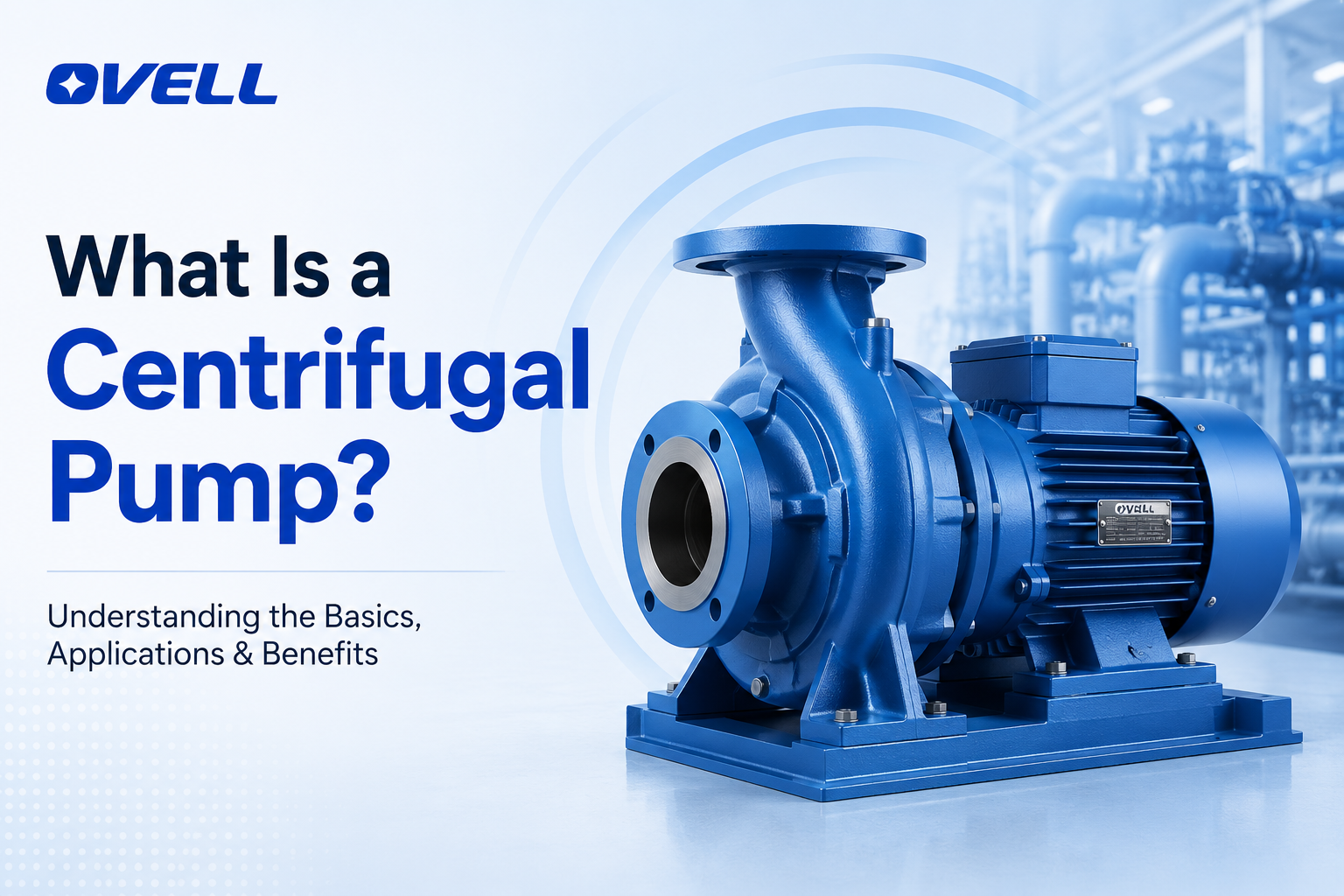
A centrifugal pump relies on rotating impellers and velocity to move liquid. In contrast, an AODD pump moves fluid using reciprocating diaphragm action.
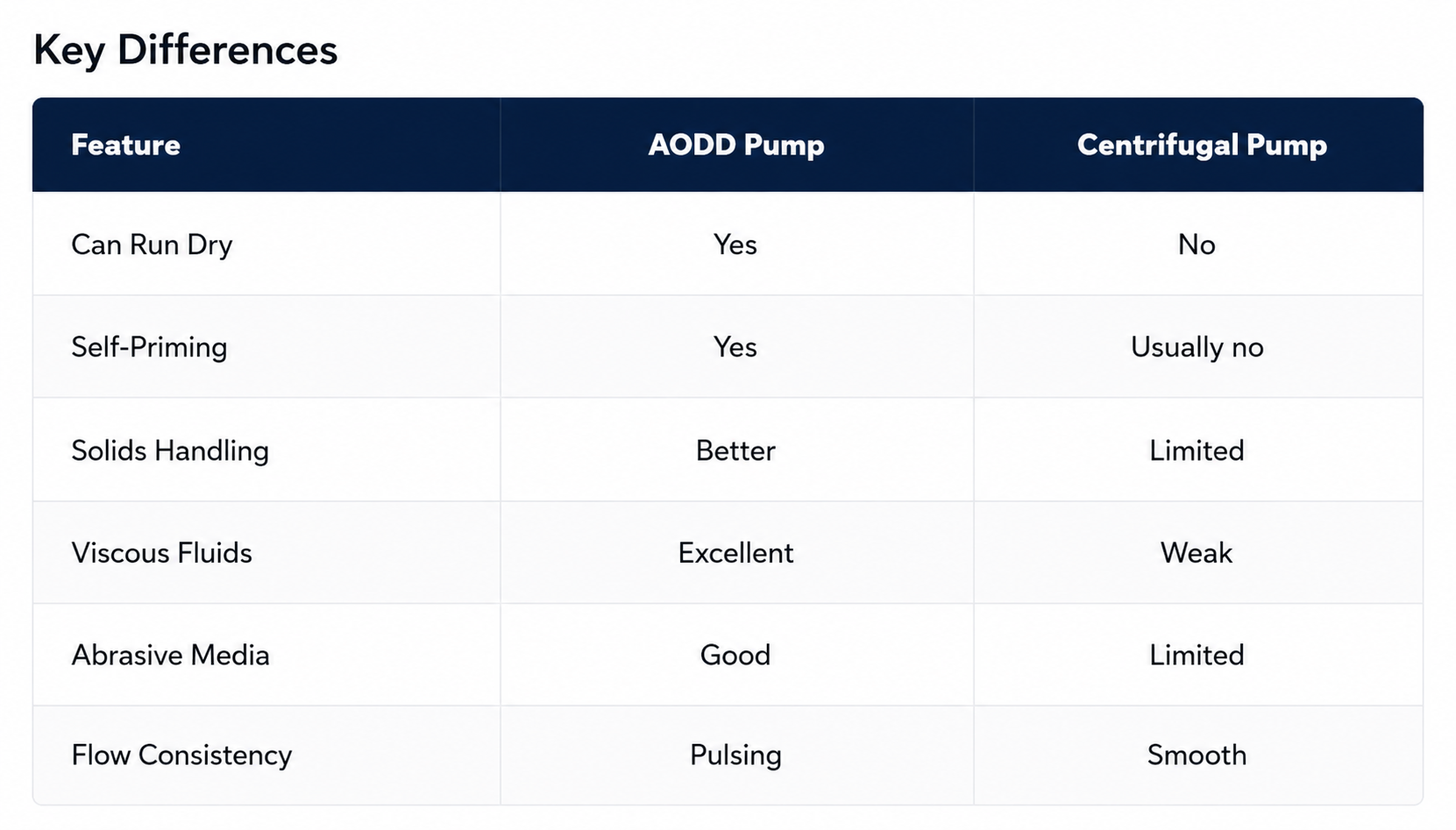
A centrifugal pump often performs better for:
Meanwhile, an air operated double diaphragm pump performs better when handling:
Compared with a centrifugal pump, an AODD pump can safely run dry and transfer viscous or abrasive media with less operational risk.
For deeper comparison content, consider internally linking to:
AODD Pump vs Centrifugal Pump: Which One Should You Choose?
This prevents content cannibalization while strengthening topic clusters.
Although an AODD pump is highly reliable, routine maintenance still matters.
Basic diaphragm pump maintenance helps improve performance, reduce downtime, and extend equipment life.
Operators should regularly inspect:
Preventive maintenance is usually far cheaper than emergency downtime.
Many facilities schedule diaphragm inspections after specific operating hours depending on fluid abrasiveness.
Basic diaphragm pump troubleshooting often includes:
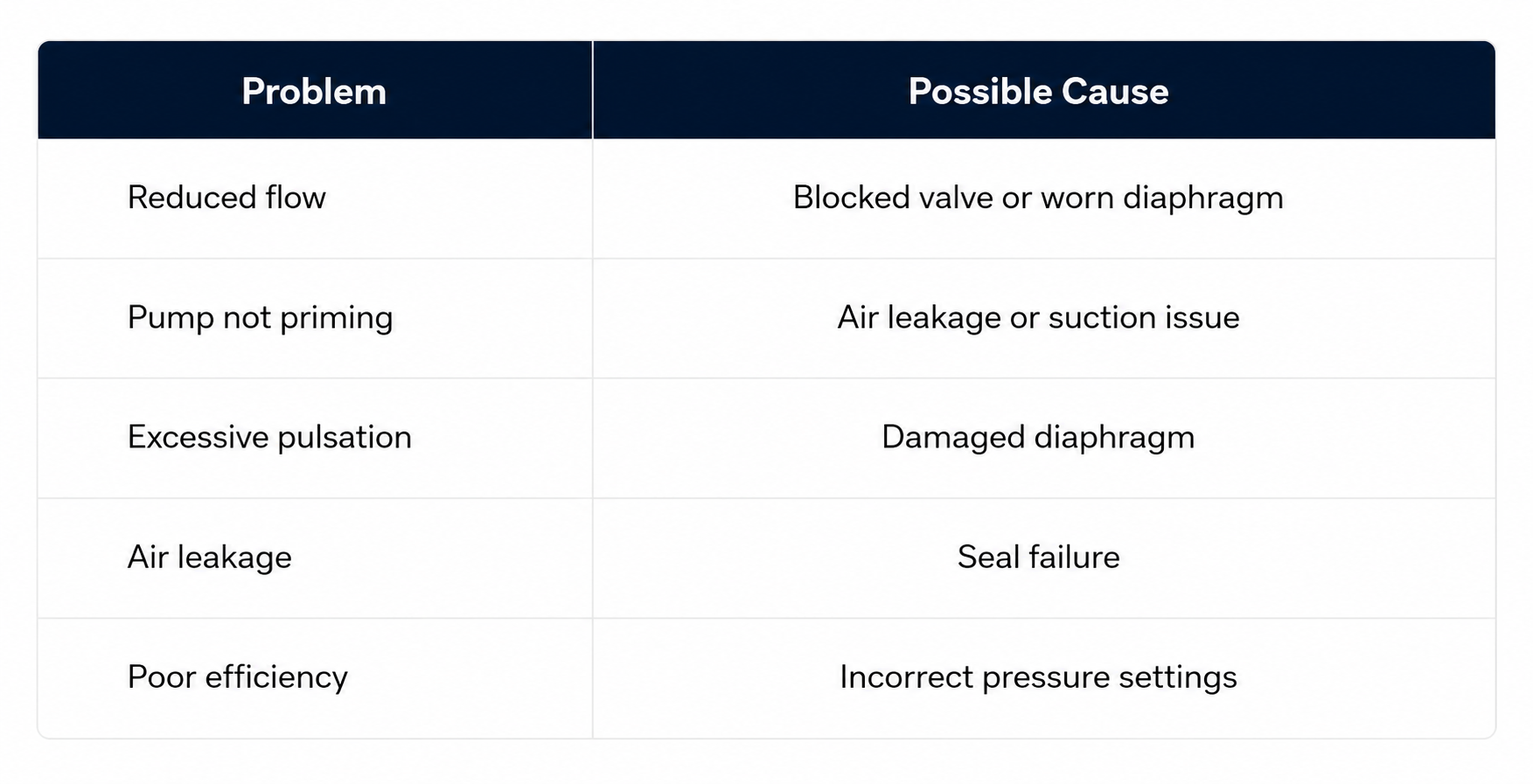
Most problems are relatively easy to diagnose because the AODD pump working principle is mechanically simple.
However, advanced troubleshooting deserves its own dedicated guide.
A useful internal link would be:
Common Diaphragm Pump Problems and Troubleshooting Guide
Selecting the right AODD pump involves more than simply choosing a size.
The wrong pump can increase maintenance costs, reduce efficiency, and shorten equipment life.
Before buying an industrial diaphragm pump, evaluate the following factors.
Ask:
A corrosion resistant pump may require PTFE or polypropylene construction.
Determine:
Oversizing often wastes energy and increases wear.
Match pump materials with media chemistry.
For example:

Since an air operated diaphragm pump relies on compressed air, ensure adequate pneumatic infrastructure exists.
Poor air supply can reduce efficiency and pumping consistency.
Ask:
In hazardous conditions, an AODD pump often becomes the safer option.
1. What is an AODD pump used for?
An AODD pump is used for industrial fluid transfer, including chemicals, sludge, paint, wastewater, oils, and viscous materials.
2. How does an AODD pump work?
An air operated double diaphragm pump uses compressed air to alternately move two diaphragms, creating suction and discharge cycles.
3. Can AODD pumps run dry?
Yes. One major advantage of an AODD pump is dry-run capability without immediate damage.
4. Are AODD pumps self-priming?
Yes. Most air operated diaphragm pumps are naturally self-priming.
5. What fluids can a diaphragm pump handle?
A diaphragm pump can handle corrosive chemicals, abrasive slurries, viscous fluids, wastewater, solvents, and solid-containing media.
6. What is the difference between an AODD pump and a centrifugal pump?
A centrifugal pump uses rotating impellers, while an AODD pump uses diaphragm movement powered by compressed air.
7. What maintenance does an AODD pump require?
Routine maintenance typically includes diaphragm inspection, valve cleaning, leak checks, and air system inspection.
8. How do I choose the right AODD pump?
Consider fluid chemistry, viscosity, solids content, flow requirements, pressure, material compatibility, and operating environment.
So, what is an AODD pump?
An AODD pump, or air operated double diaphragm pump, is a highly versatile diaphragm pump powered by compressed air and designed for demanding industrial fluid transfer.
Because it can run dry, self-prime, handle corrosive chemicals, move viscous liquids, and tolerate solids, an air operated diaphragm pump remains one of the most dependable technologies for industrial pumping.
From chemical processing and wastewater treatment to mining, coatings, and manufacturing, the double diaphragm pump offers flexibility and reliability that many traditional pumps cannot match.
If your operation involves difficult media or harsh conditions, choosing the right pneumatic diaphragm pump can improve uptime, safety, and long-term operating efficiency.
To learn more about industrial diaphragm solutions, explore additional resources on pump selection, maintenance, and application-specific recommendations from your equipment supplier or engineering partner.
For technical pump standards and industrial best practices, you may also reference organizations such as the Hydraulic Institute.

.png)