The water and wastewater sector serves as the fundamental infrastructure for public health and environmental sustainability across the globe. As we move through 2026, the industry is undergoing a massive transformation driven by urbanization, stricter environmental regulations, and the urgent need for resource recovery. Effective water management involves the complex cycle of sourcing raw water, treating it for consumption, and processing wastewater back into the ecosystem or for industrial reuse.
Essential Sectors Relying on Water Infrastructure
Modern society cannot function without a robust water management system, as it underpins nearly every aspect of human life and industrial production.
Municipal and Public Health: Safe drinking water and sanitary waste removal are the foundations of modern civilization. Wastewater treatment prevents the spread of waterborne diseases and protects groundwater supplies from contamination.
Agriculture and Irrigation: Large scale food production requires consistent access to treated water. Reclaimed wastewater is increasingly used for irrigation to preserve precious freshwater sources for human consumption.
Energy and Power Generation: Thermal and nuclear power plants rely on massive volumes of water for cooling and steam generation. Efficient water recycling within these plants is vital for maintaining energy security and environmental compliance.
Industrial Processing: From textiles to microchips, industrial manufacturing requires high purity water for cleaning and cooling. Many facilities now operate closed loop systems to treat and reuse process water internally.
The Strategic Necessity of Wastewater Infrastructure
The management of water resources is a critical priority for national security and ecological preservation. According to recent reports on global infrastructure, the demand for wastewater treatment is expected to surge as nations strive to achieve the United Nations Sustainable Development Goals by 2030. This push for cleaner water has made advanced pumping technology more important than ever, as it allows facilities to manage toxic effluents and recover valuable nutrients like phosphorus and nitrogen from waste streams.
Daily Operational Hurdles in Water Treatment
Managing a water treatment facility is a continuous battle against mechanical wear and chemical aggression. Operators face a variety of challenges that can disrupt service if not managed properly.
Handling Corrosive Treatment Chemicals: The injection of chlorine, acids, and caustic sodas for disinfection and pH adjustment can quickly corrode standard metal pumps. Maintaining consistent dosing without equipment failure is essential for water safety.
Managing Viscous Sludge and Solids: Wastewater often contains a high concentration of suspended solids, rags, and grit. These materials can clog pipes and damage internal pump components, leading to frequent and costly maintenance interventions.
Unpredictable Flow Rates: Stormwater runoff and seasonal changes can cause sudden surges in water volume. Pumping systems must be versatile enough to handle varying flow rates without losing efficiency or suffering from cavitation.
Strict Environmental Compliance: Facilities are under constant pressure to meet zero discharge mandates. Any leak or spill can result in heavy fines and environmental damage, requiring equipment with superior leak containment.
Estimated Economic Impact and Treatment Methods
The cost of water treatment varies based on the level of purification required and the volume of the facility. For instance, large scale municipal plants often invest millions of dollars in primary, secondary, and tertiary treatment stages to ensure water meets safe standards.
Shutterstock
Primary Treatment: This initial stage involves the physical removal of large solids and grease. Large scale pumps are used to move influent through screens and sedimentation tanks where gravity separates the heaviest materials.
Secondary Biological Treatment: This process uses microorganisms to break down organic matter. It requires precise fluid movement to manage activated sludge and maintain the biological balance within aeration tanks.
Advanced Membrane Filtration: Used for desalination and high purity water production, this method requires high pressure pumping to force water through semi permeable membranes, removing microscopic contaminants and salts.
Ovell Pump: Precision Engineering for the Water Industry
Ovell Pump offers advanced fluid handling solutions specifically engineered to meet the demanding requirements of the water and wastewater sectors. Our technology focuses on chemical compatibility and the efficient transfer of heavy sludge, ensuring that treatment facilities can operate with maximum uptime.
Key Features of Ovell Water Management Solutions
Our industrial diaphragm pumps are designed with specific technical attributes to solve the most common problems in the water sector.
Superior Chemical Resistance: Our pumps are available in various non metallic materials that can handle the most aggressive water treatment chemicals. This prevents the frequent replacement cycles common with inferior pumping technology.
Dead-Head Capability: A diaphragm pump can be operated against a closed discharge valve without damage. This is a critical safety feature in water treatment lines where blockage or valve closure can occur unexpectedly.
Gentle Fluid Transfer: The low shear action of an air operated double diaphragm pump is ideal for sensitive biological processes. It ensures that flocculants and microorganisms are not damaged during the transfer process.
Simplified Maintenance Design: By utilizing a modular air valve and fewer moving parts, our pumps can be serviced quickly on site. This reduces the time technicians spend on maintenance and keeps the facility running smoothly.
Why Ovell Is the Leading Choice for Water Treatment
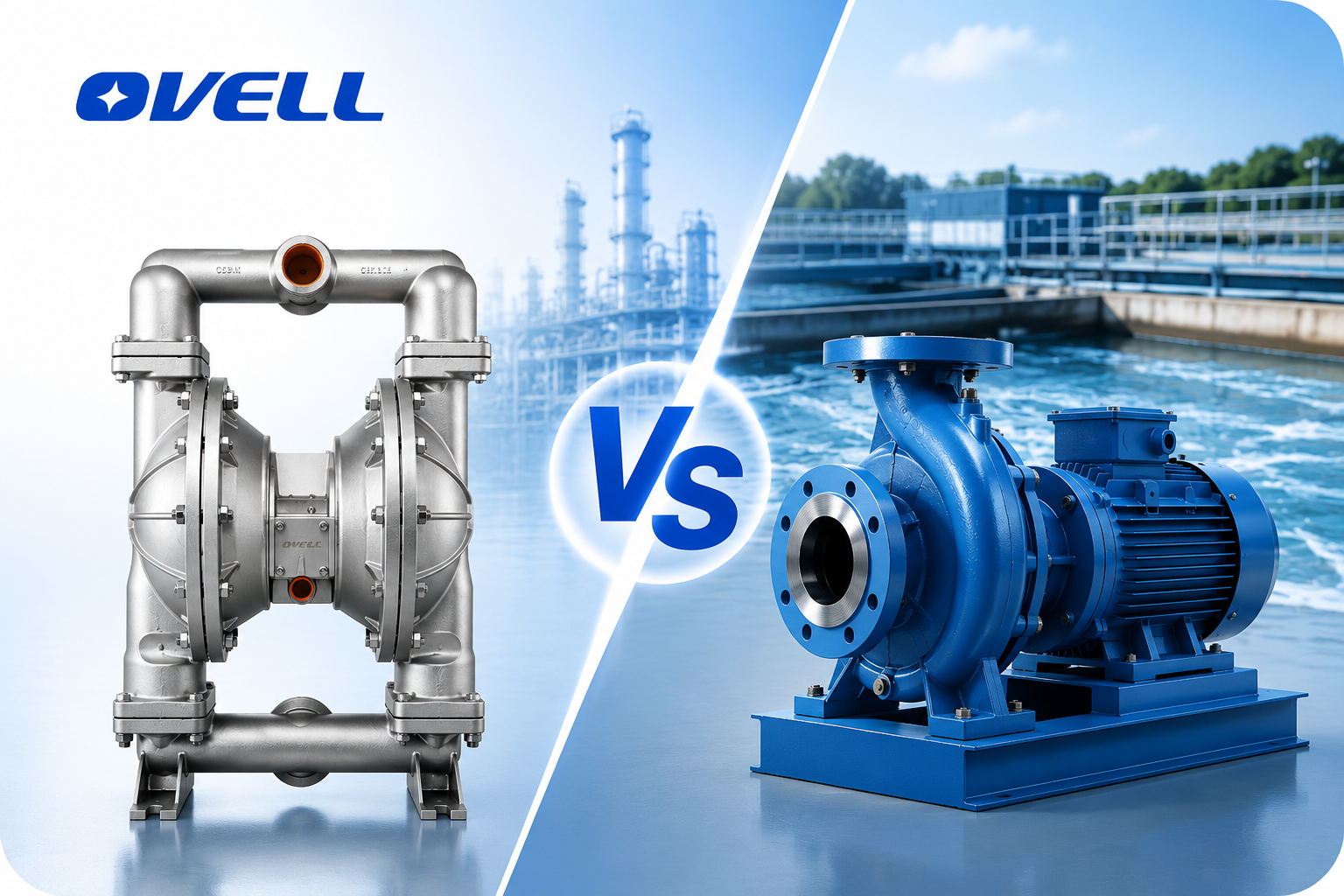
The reason Ovell Pump is a preferred partner for water authorities is our commitment to reliability in harsh conditions. Unlike traditional electric pumps that may struggle with abrasive grit, our pneumatic diaphragm pump handles solids with ease. The ability to vary flow and pressure by simply adjusting the air supply gives operators total control over their processes, from chemical dosing to sludge dewatering.
Maximizing ROI in Wastewater Operations
Investing in an Ovell air operated diaphragm pump provides a significant return on investment through reduced operational expenses and increased equipment longevity.
Lower Energy Consumption: Our latest air valve technology reduces compressed air waste, ensuring that the pump operates at peak efficiency. This translates to lower utility costs for large scale treatment facilities.
Reduction in Spare Parts Inventory: The interchangeability of parts across various pump sizes allows facilities to maintain a smaller inventory of spares. This simplifies the supply chain and reduces capital tied up in warehouse stock.
Prevention of Environmental Fines: The leak free design of our diaphragm pumps minimizes the risk of hazardous chemical spills. By ensuring total containment, facilities avoid the massive fines associated with environmental non compliance.
Extended Service Intervals: Our high performance elastomers are chosen for their durability against chemicals and abrasion. This extends the time between required services, allowing maintenance teams to focus on other critical facility needs.
Ovell Pump for High-Performance Industrial Solutions
As a specialized diaphragm pump manufacturer, Ovell Pump is dedicated to providing the global water industry with the tools needed for sustainable resource management. We provide a full range of products to handle everything from clean water distribution to toxic waste processing.
Standard Pumping Solutions
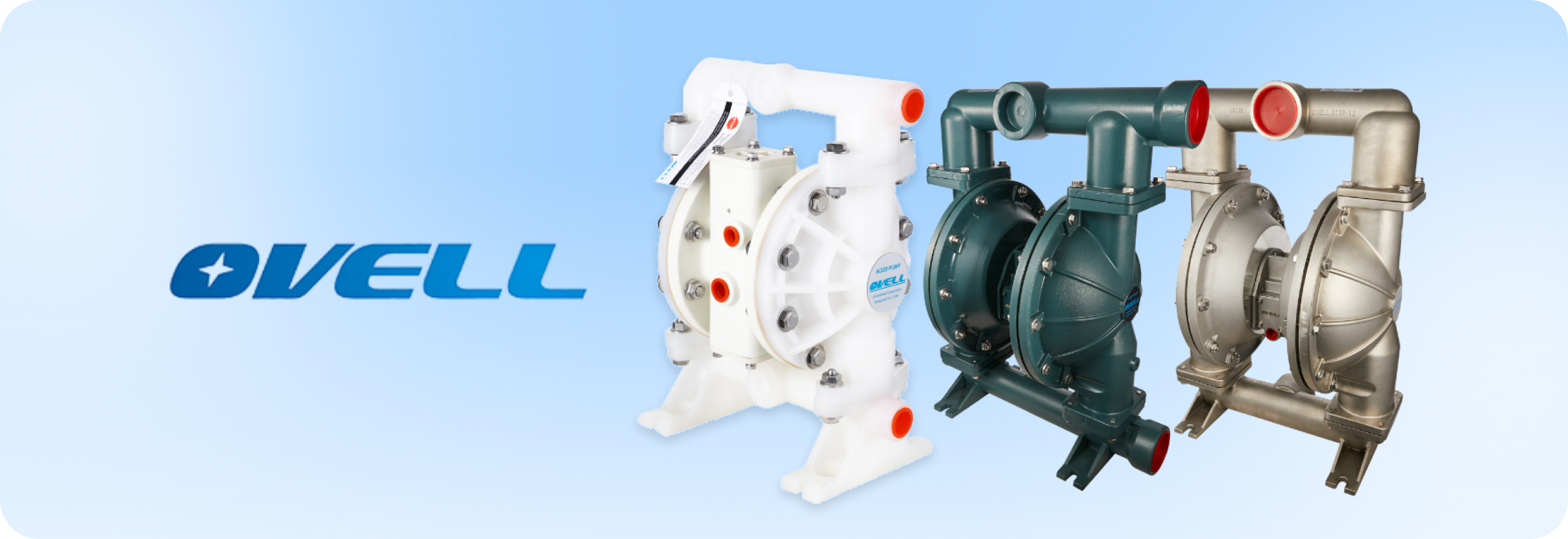
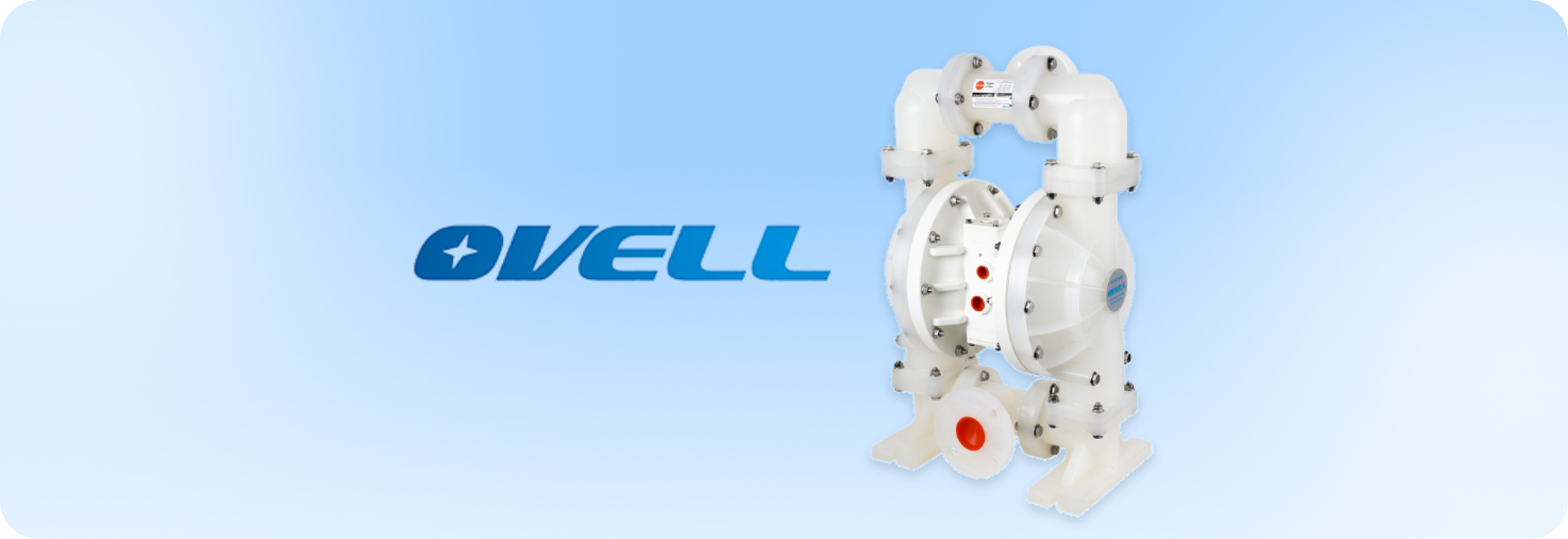
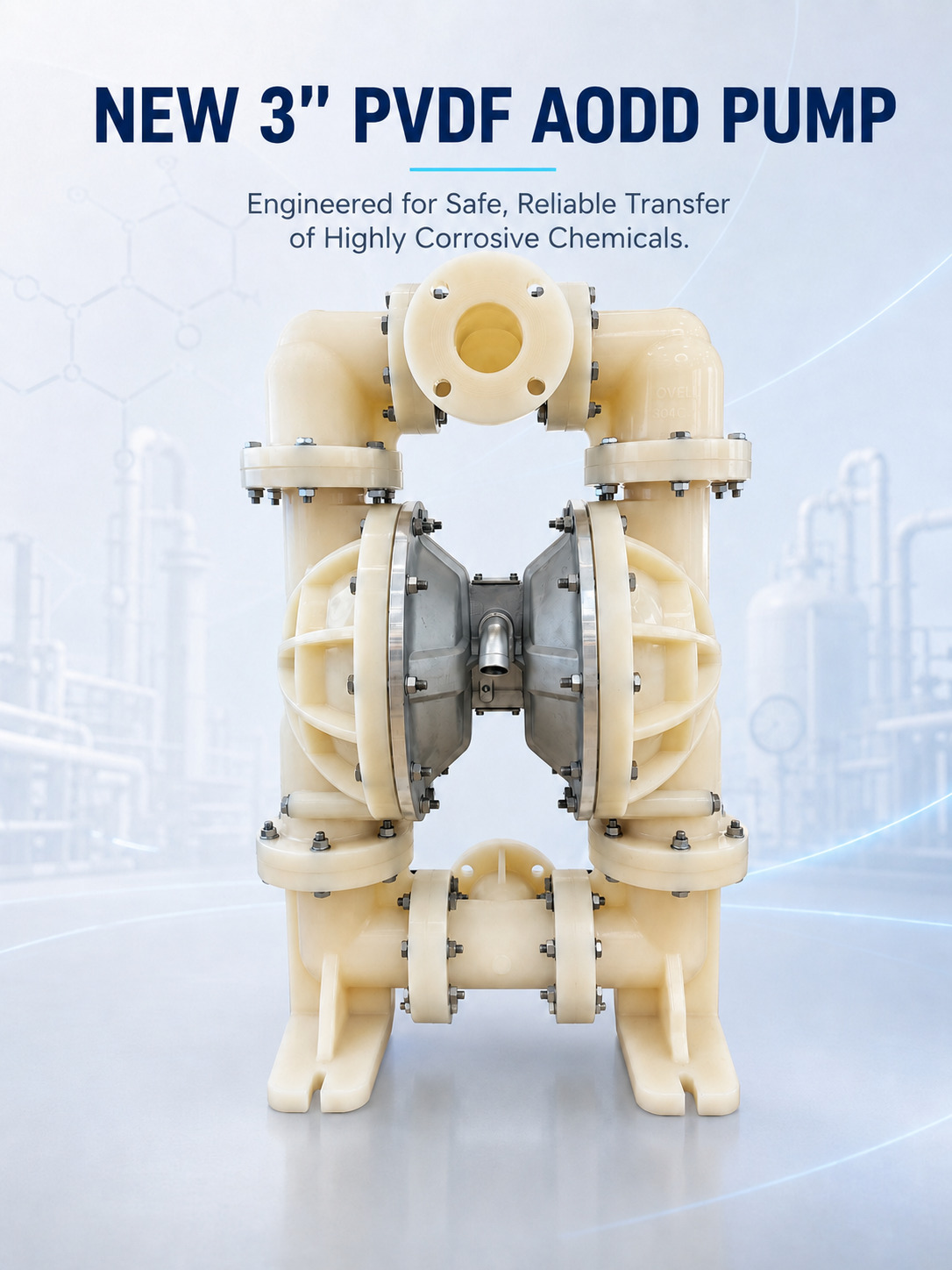
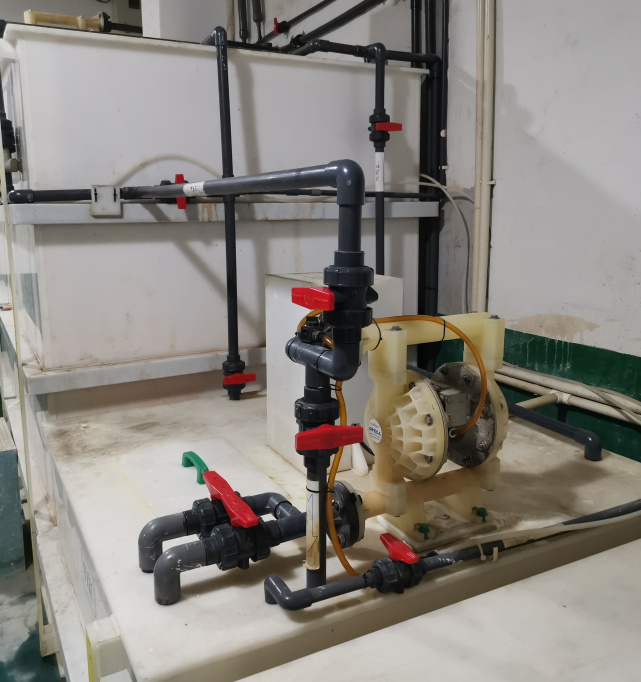
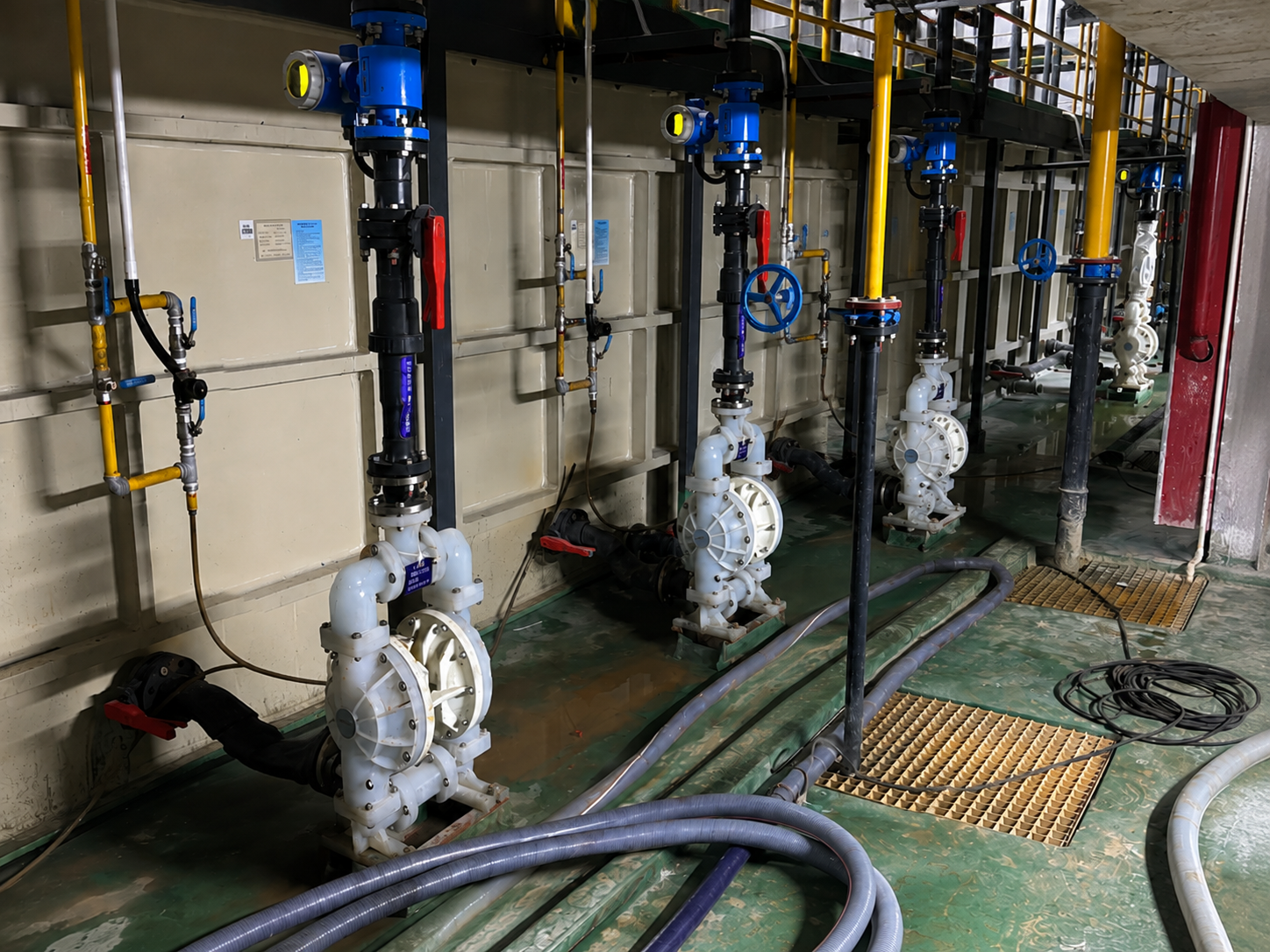
Plastic Air Operated Diaphragm Pump: Built with polypropylene or PVDF, these units are the primary choice for handling acids and disinfectants in the treatment process.
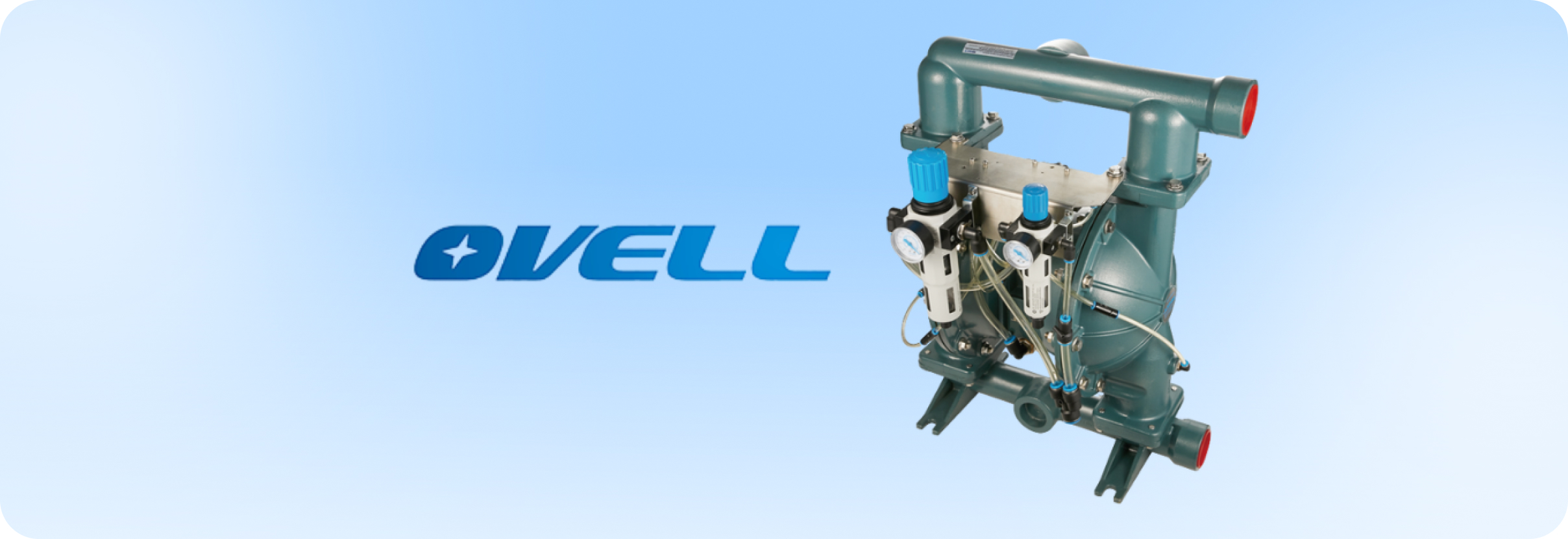
Aluminum Diaphragm Pump: A rugged and portable solution often used for general utility tasks, such as emptying sumps or transferring neutral pH fluids within a facility.
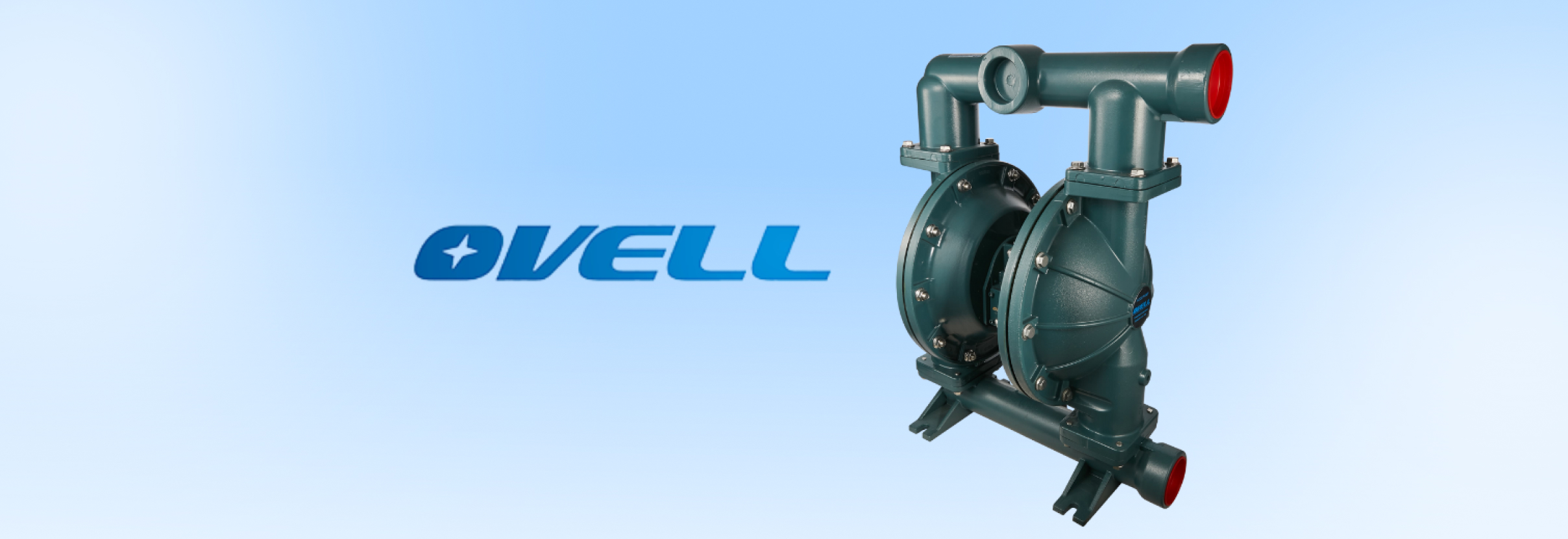
Stainless Steel Diaphragm Pump: Designed for maximum durability, these pumps handle abrasive lime slurries and industrial wastewater containing heavy metals or grit.
Specialty Pumping Solutions
Electric Double Diaphragm Pump: These motor driven units offer the same benefits as our air units but are ideal for facilities looking to reduce their reliance on compressed air systems for continuous duty applications.
Diaphragm Metering Pump: Essential for the precise dosing of treatment chemicals, ensuring that the exact volume of fluid is injected into the stream for optimal process control.
Pneumatic Powder Diaphragm Pump: Utilized in the management of dry chemicals like lime or activated carbon, allowing for dust free transfer into mixing tanks for water purification.
Conclusion
The water and wastewater industry is vital for the survival of communities and the health of the planet. To succeed, these facilities require pumping solutions that are as resilient as they are precise. The air operated diaphragm pump technology from Ovell Pump provides the necessary durability to handle abrasive solids and corrosive chemicals with ease. By focusing on intrinsic safety, simplified maintenance, and high ROI, Ovell Pump helps water treatment professionals maintain a safe and efficient infrastructure for the future.


.svg)



.png)