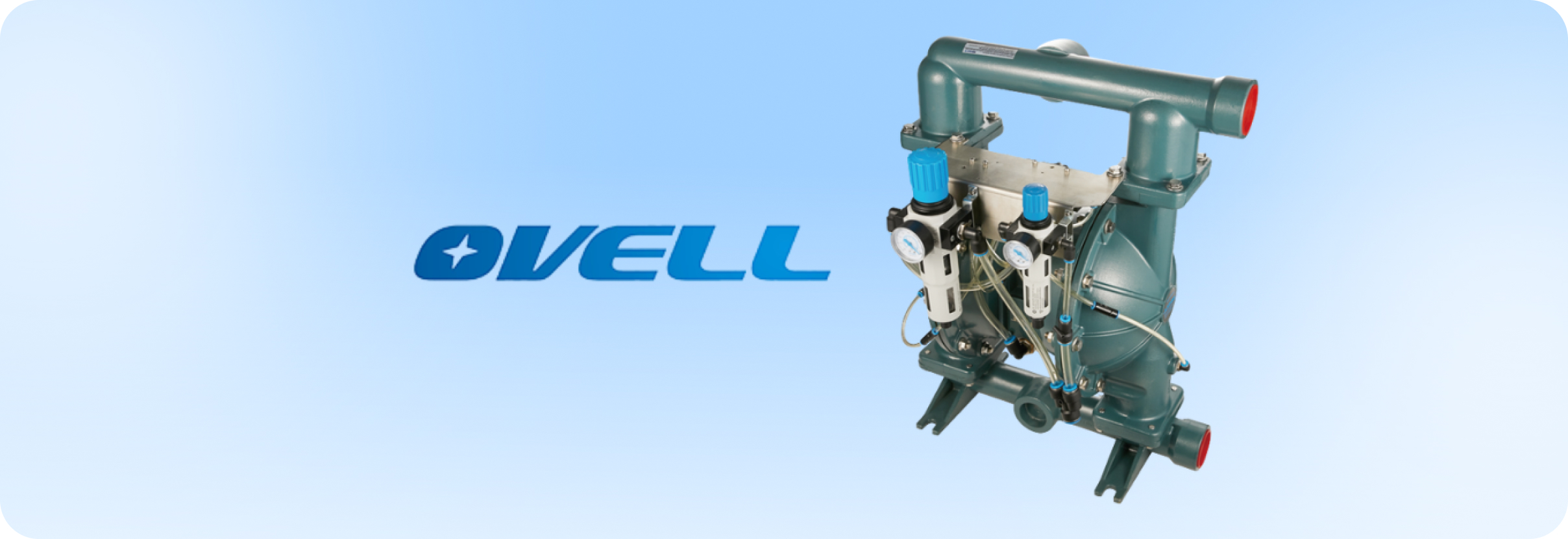
The Role of Diaphragm Pumps in Mining and Resource Extraction
The mining industry remains the primary engine of modern civilization, serving as the starting point for nearly every supply chain in existence. In 2026, the sector continues to evolve as the world transitions toward a green economy, which relies heavily on the extraction of critical minerals. Mining involves the discovery, extraction, and processing of naturally occurring minerals and metals from the earth, transforming raw resources into the building blocks of global progress.
Sectors Supported by Global Mining
The influence of mining extends far beyond the extraction site, providing the essential materials for a diverse array of global industries.
Renewable Energy and Technology: The sector provides the lithium, cobalt, and copper required for electric vehicle batteries, solar panels, and wind turbines. These materials are essential for high-performance energy storage and conductivity in green tech.
Infrastructure and Construction: Mining supplies the iron ore for steel, limestone for cement, and aggregates for roads and bridges. These resources form the backbone of urban development and global transport networks.
Manufacturing and Electronics: From semiconductors to smartphones, rare earth elements and precious metals like gold and silver are indispensable. These minerals enable high-speed data processing and the miniaturization of modern electronic components.
Agriculture: The production of fertilizers depends on the mining of phosphate and potash to support global food security. Without these mineral inputs, large-scale crop yields would be insufficient to feed the global population.
The Strategic Importance of Mining Operations
Mining is vital because it sustains economic growth and national security for many developing and developed nations alike. According to the International Energy Agency in its World Energy Outlook 2025, the demand for critical minerals like copper and lithium is expected to grow fourfold by 2040 to meet global climate goals. This push for decarbonization has made mining more important than ever, as the industry facilitates the global transition to sustainable energy by providing the raw materials for a low-carbon future.
Everyday Challenges in the Mining Environment
Operating a mine is a complex task that involves overcoming persistent environmental and mechanical obstacles on a daily basis.
Managing Groundwater Ingress: Flooding is a constant threat in both underground and open-pit mines, requiring continuous dewatering to ensure worker safety. Ingress can stall production for weeks if not managed by high-volume pumping systems.
Handling Abrasive Slurries: The transfer of ore-laden water and tailings can rapidly erode traditional pumping equipment, leading to frequent maintenance. These slurries often contain sharp, jagged particulates that act like sandpaper on internal pump components.
High Operational Costs: Mining is capital-intensive. Rising energy prices and the need for remote logistics contribute to high per-ton extraction costs, forcing companies to seek equipment with lower life-cycle expenses.
Hazardous Atmospheres: Mines often contain flammable gases or dust, making electrical equipment a significant ignition risk. Maintaining safety compliance requires equipment that can operate without the risk of sparking.
Estimated Costs and Examples of Mining Operations
The cost of mining varies significantly depending on the method and the mineral being extracted. For instance, the S&P Global Market Intelligence Report on gold mining indicates that the All-In Sustaining Costs (AISC) for global gold production can fluctuate between USD 1,200 and USD 1,400 per ounce depending on ore grade and depth.
Surface Mining: This includes open-pit and strip mining, used for minerals like copper and coal that are located near the surface. These operations rely on massive machinery and constant pit dewatering to remain viable.
Underground Mining: This involves shafts and tunnels to reach deep deposits of gold, silver, and zinc, such as the Olympic Dam in Australia. Space is limited in these environments, requiring compact and powerful equipment.
In-Situ Mining: A specialized method where solutions are injected into the ground to dissolve minerals like uranium for extraction without traditional digging. This process requires precise chemical transfer pumps to manage the leaching fluids.
Ovell Pump: Engineering Reliable Solutions for the Mining Sector
Ovell Pump provides specialized fluid handling technology designed specifically to meet the rigorous demands of the mining industry. Our products focus on high-performance dewatering and the seamless transfer of abrasive solids, ensuring that mining sites remain operational and safe.
Key Features of Ovell Mining Solutions
Our industrial diaphragm pumps are engineered with specific features that address the most difficult conditions in a mine.
Seal-less and Non-Contacting Design: By eliminating rotating seals and parts that come into direct contact with abrasive media, our pumps experience significantly less wear. This design prevents the common leaks associated with mechanical seal failure in harsh mining environments.
Intrinsic Safety: Being an air operated diaphragm pump, these units require no electricity, making them ideal for hazardous underground zones with explosive risks. They provide a safe alternative in areas where electrical spark protection is mandatory.
Self-Priming and Run-Dry Capabilities: These pumps can start from a dry state and run without fluid indefinitely, a critical feature for managing unpredictable groundwater levels. This prevents motor burnout when a sump is emptied unexpectedly.
High Solids Handling: Our 2 inch diaphragm pump models are designed to pass large particulates and thick mud without clogging or damaging internal components. The large internal clearances allow stones and debris to pass through the valve seats freely.
Why Ovell Is the Best Choice for Mining Operations
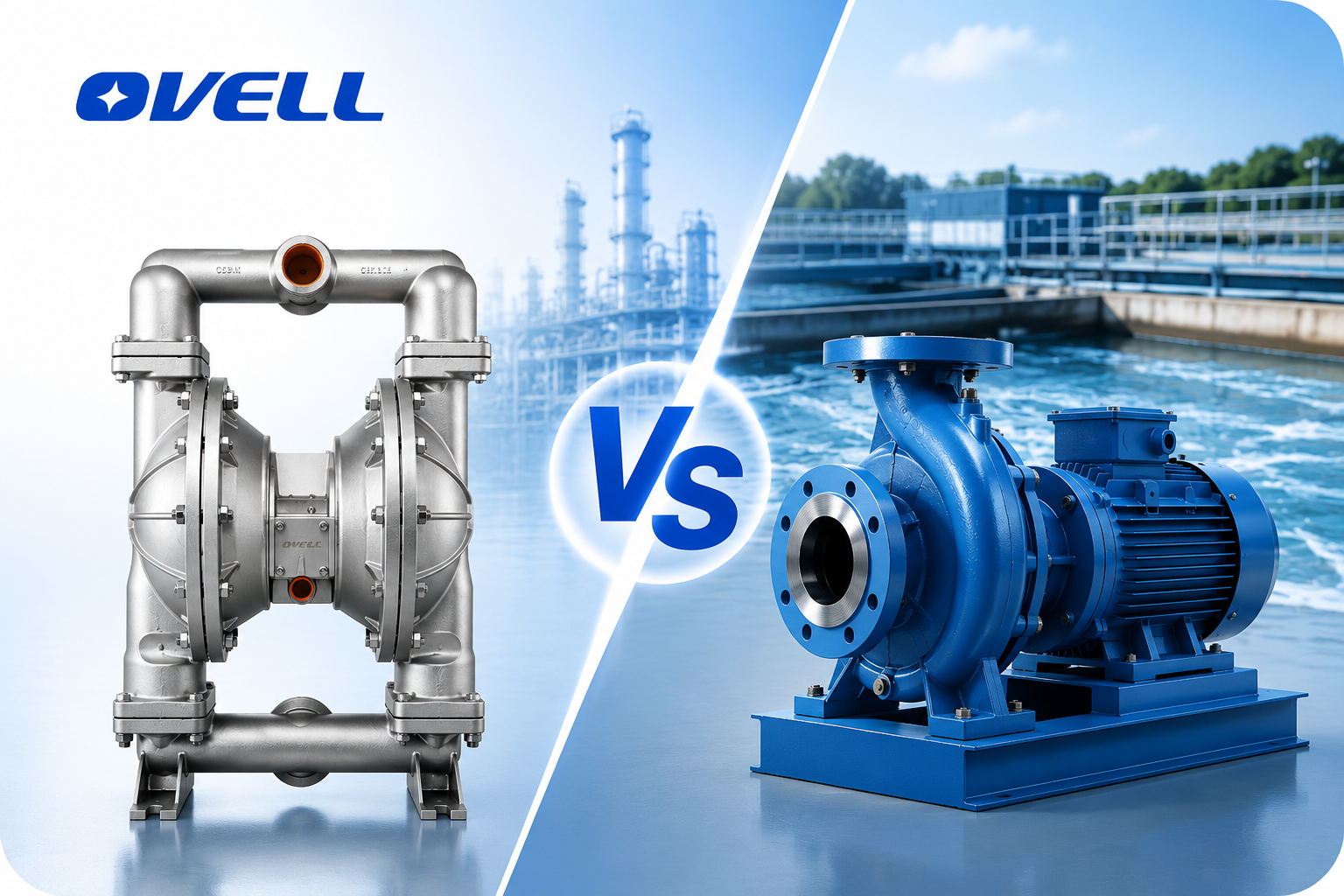
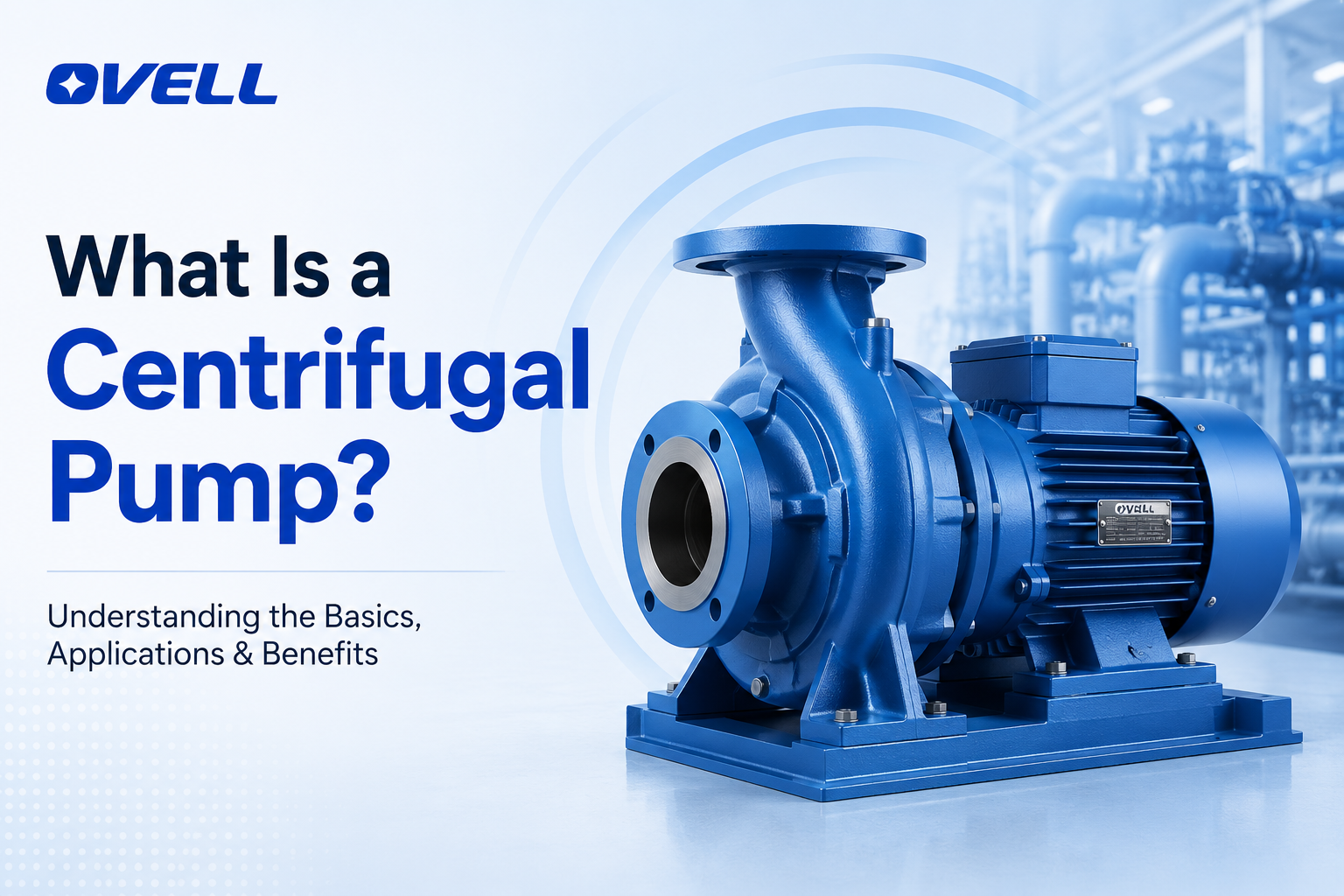
The reason Ovell Pump is regarded as a superior option in the mining sector is our commitment to versatility and durability. Unlike centrifugal pumps that can lose efficiency when flow rates deviate, our pneumatic diaphragm pump maintains consistent performance even when handling varied viscosities. The portability of our units allows them to be manually moved across mine sites without heavy machinery, providing a flexible solution for emergency dewatering and remote fuel transfer.
Maximizing Return on Investment (ROI) in Mining
Investing in an Ovell air operated double diaphragm pump provides a rapid and measurable ROI for mining operators.
Reduced Maintenance Costs: The simple design with fewer moving parts leads to a reduction in spare parts and labor costs compared to complex centrifugal systems. This allows maintenance teams to focus on other critical site infrastructure.
Energy Efficiency: Positive displacement technology offers an efficient reduction in energy consumption at nominal flow rates, especially as mines deepen and require higher lift capabilities. By regulating air pressure, operators only use the energy required for the specific task.
Minimized Downtime: The ability of the double diaphragm pump to run dry and handle solids prevents the catastrophic failures that often halt production. Reliable pumping ensures that water levels do not rise to the point of stopping excavation work.
Longer Equipment Lifespan: Our use of high-grade elastomers and rugged housings ensures that the pump remains in service longer, delaying the need for capital-intensive replacements. This longevity directly improves the total cost of ownership over the life of the mine.
Ovell Pump for High-Performance Industrial Solutions
As a trusted diaphragm pump manufacturer, Ovell Pump is dedicated to improving the efficiency and safety of global mining operations. We understand that in the mining industry, reliability is the only way to protect your bottom line.
Standard Pumping Solutions
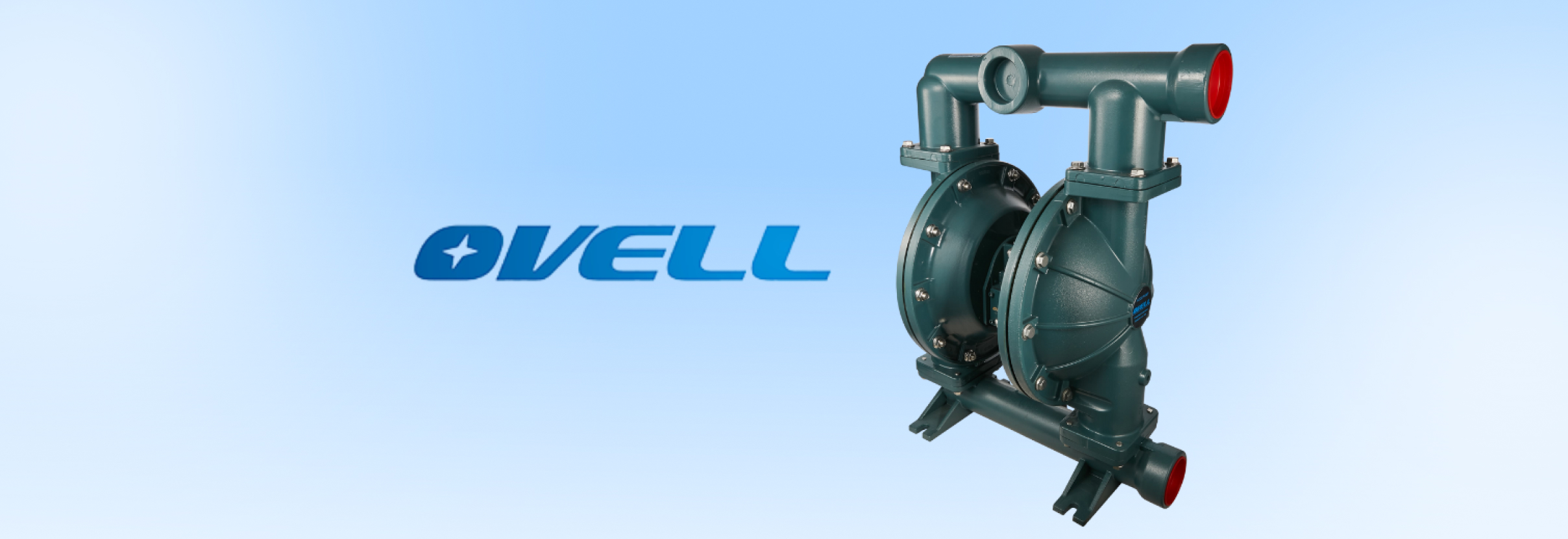
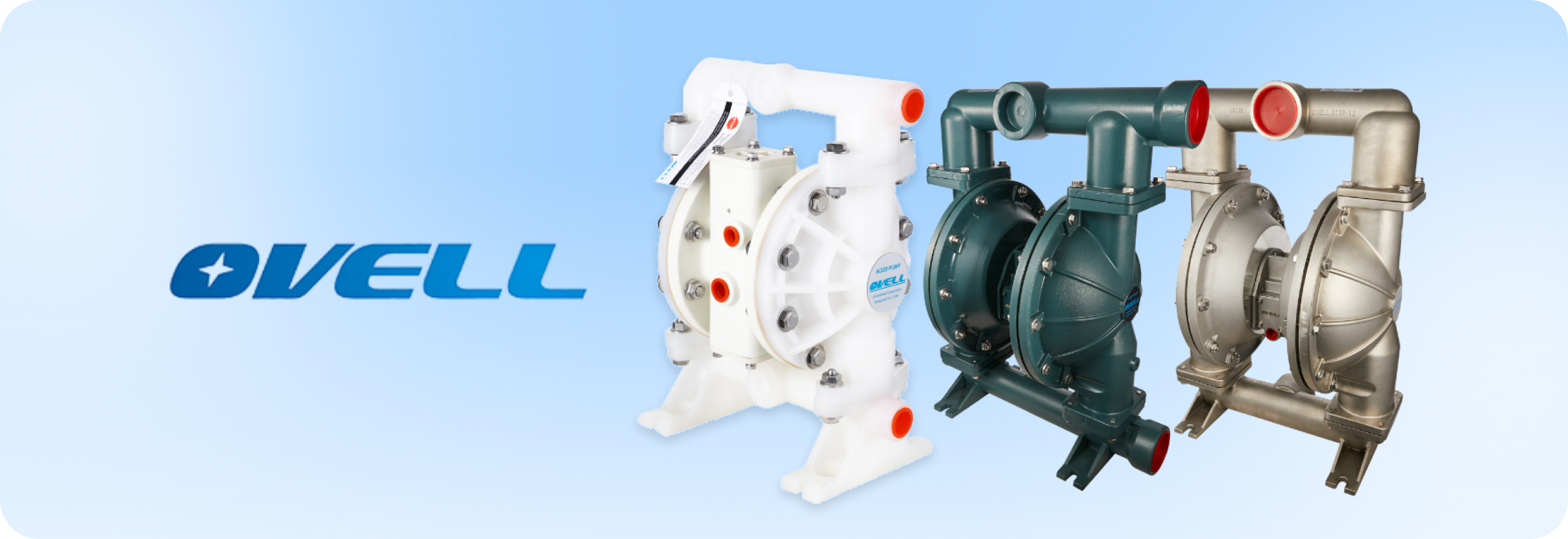
Aluminum Diaphragm pump: A lightweight yet rugged option frequently utilized for dewatering and the transfer of neutral pH fluids, such as oils and lubricants, across the mining site. It is the go-to choice for portable dewatering applications.
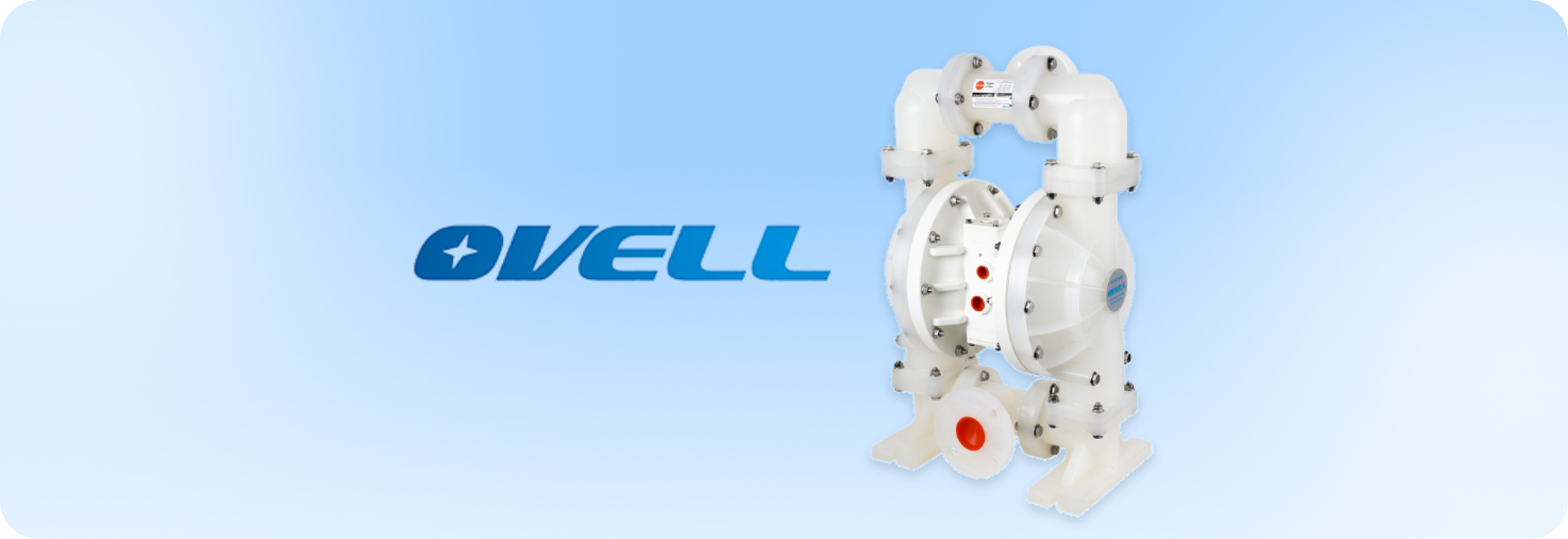
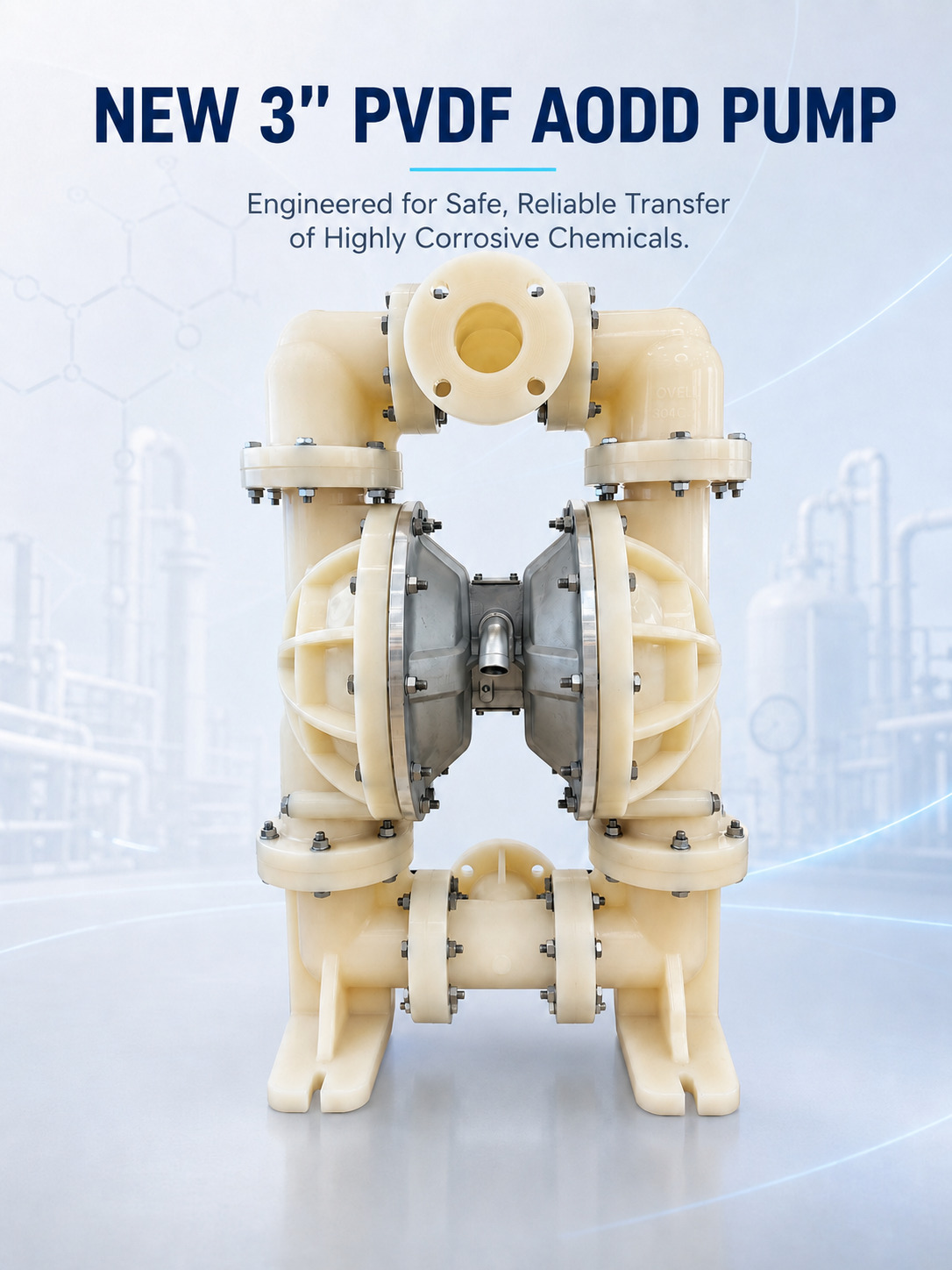
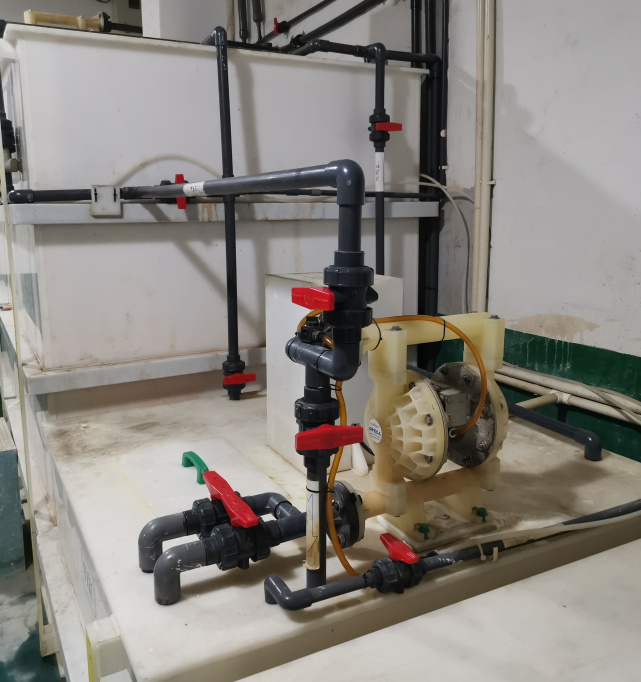
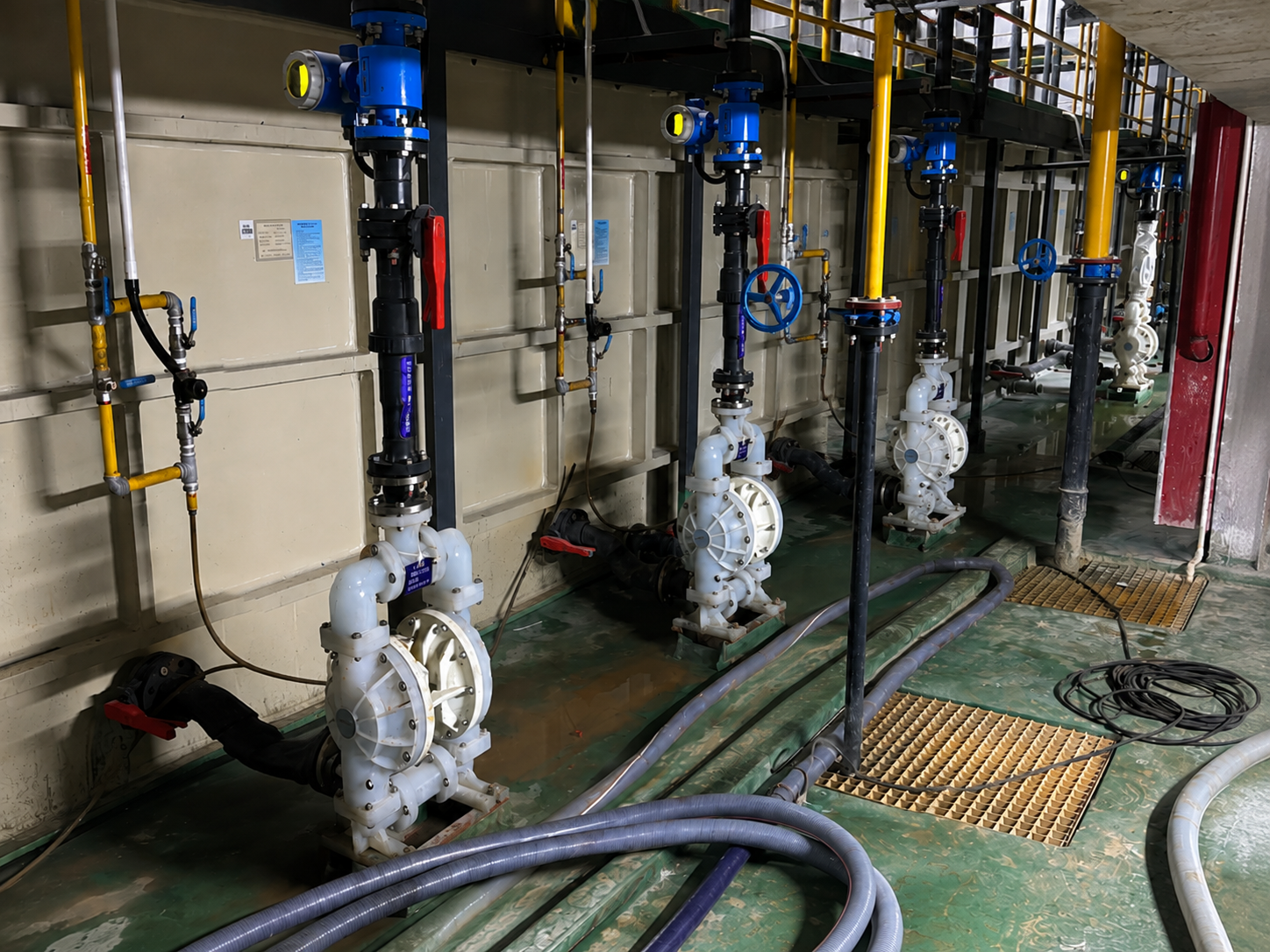
Plastic air operated diaphragm pump: Engineered for chemical resistance, this pump is essential for handling the aggressive reagents and corrosive chemicals used in mineral processing and leaching circuits.
Stainless Steel diaphragm pump: The ultimate choice for handling abrasive slurries and corrosive liquids where maximum structural integrity and corrosion resistance are required simultaneously in harsh environments.
Specialty Pumping Solutions
Pneumatic Powder Diaphragm Pump: Highly controlled units designed for the dust-free transfer of fine powders, utilizing a unique air induction system to fluidize media for consistent process control in chemical plants.
Electric Double Diaphragm Pump: Energy-efficient, motor-driven units engineered for facilities looking to reduce compressed air consumption while maintaining precise flow control in continuous duty applications.
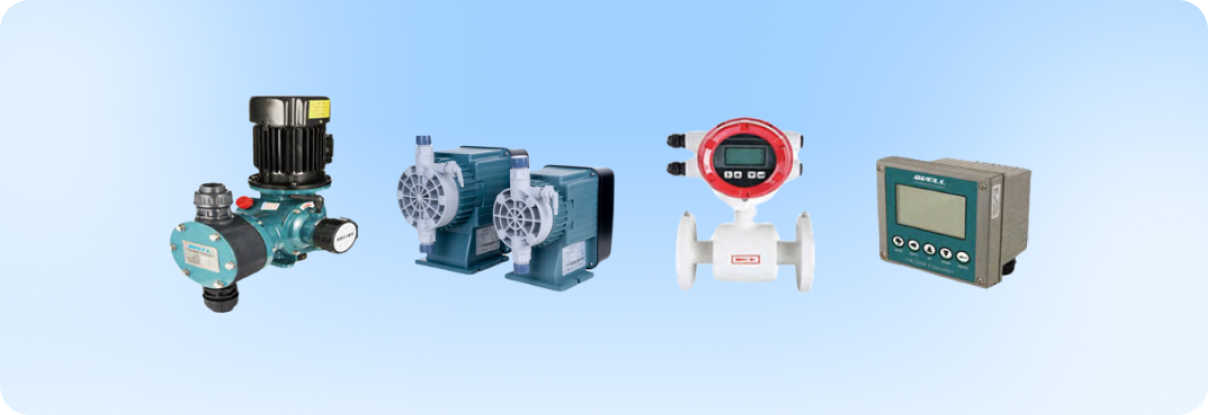
Metering Pump: Precision units designed for repeatable injection and additive dosing, ensuring extreme accuracy for critical fluid management and volumetric process control.
Conclusion
The mining industry is a pillar of global economic stability, yet its success depends on the ability to overcome harsh operational environments. The aluminum, plastic, and stainless steel air operated diaphragm pump solutions from Ovell Pump provide the durability and safety required to navigate these challenges. By focusing on reduced maintenance, intrinsic safety, and high ROI, Ovell Pump ensures that mining operations can continue to provide the world with the essential minerals needed for the future while maintaining a lean and efficient operational model.


.svg)



.png)