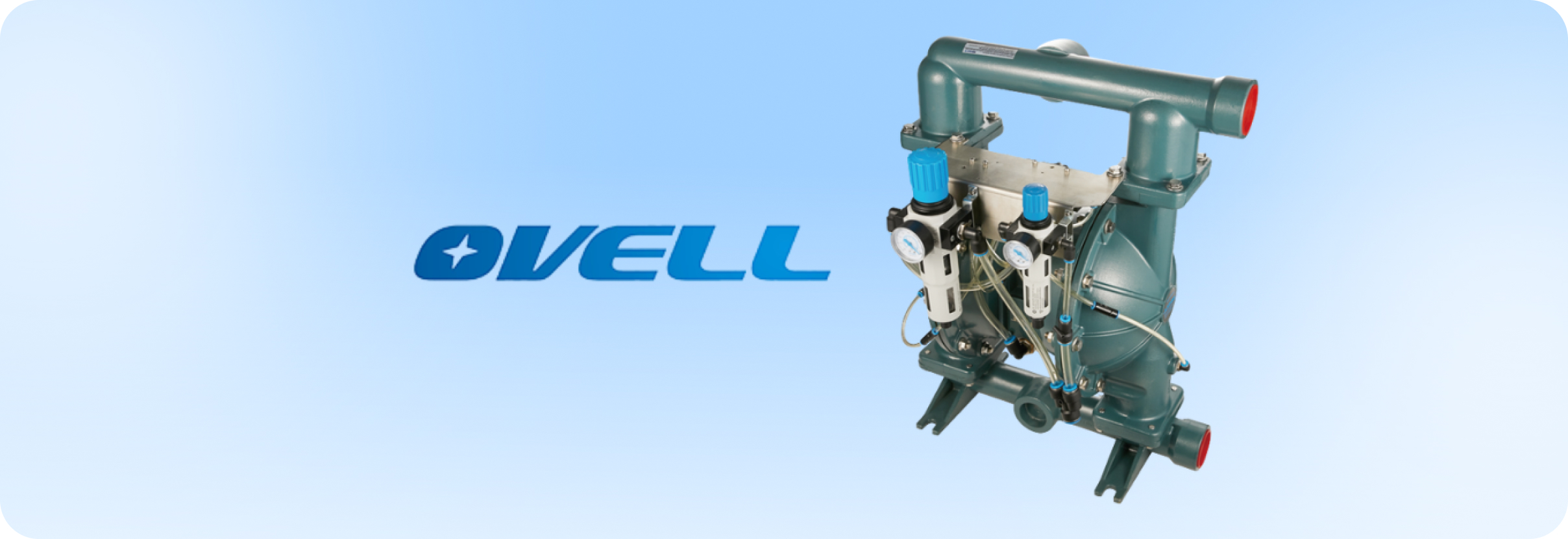
Strategic Diaphragm Pump Management for Business Owners
For business owners managing industrial facilities, ensuring continuous operation relies heavily on the reliability of fluid and material transfer systems. The diaphragm pump, valued for its versatility in handling everything from water to abrasive slurries and powders, forms the backbone of many production lines. However, fragmented or reactive maintenance strategies focused on individual air operated diaphragm pump units can lead to systemic failures, unexpected downtime, and massive financial penalties. This article provides a comprehensive, facility-wide approach to the installation and maintenance of your entire industrial diaphragm pumps fleet, offering strategic tips and outlining the critical risks of overlooking system integrity.
Best Practices for System-Wide Installation and Configuration
Effective maintenance starts with flawless installation. For facility management, standardizing installation across all pump materials (plastic, stainless steel, aluminum) and types (electric, pneumatic, metering) is key to long-term reliability and reducing the Total Cost of Ownership (TCO).
Installation Tips for System Integrity
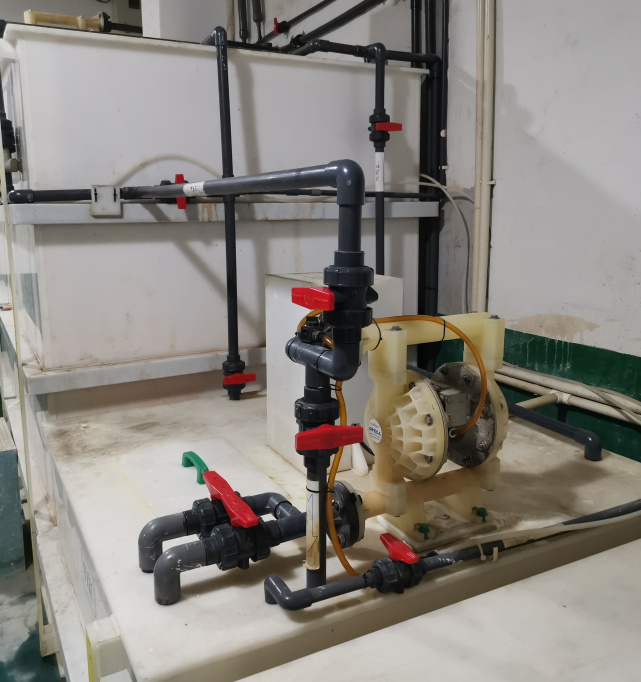
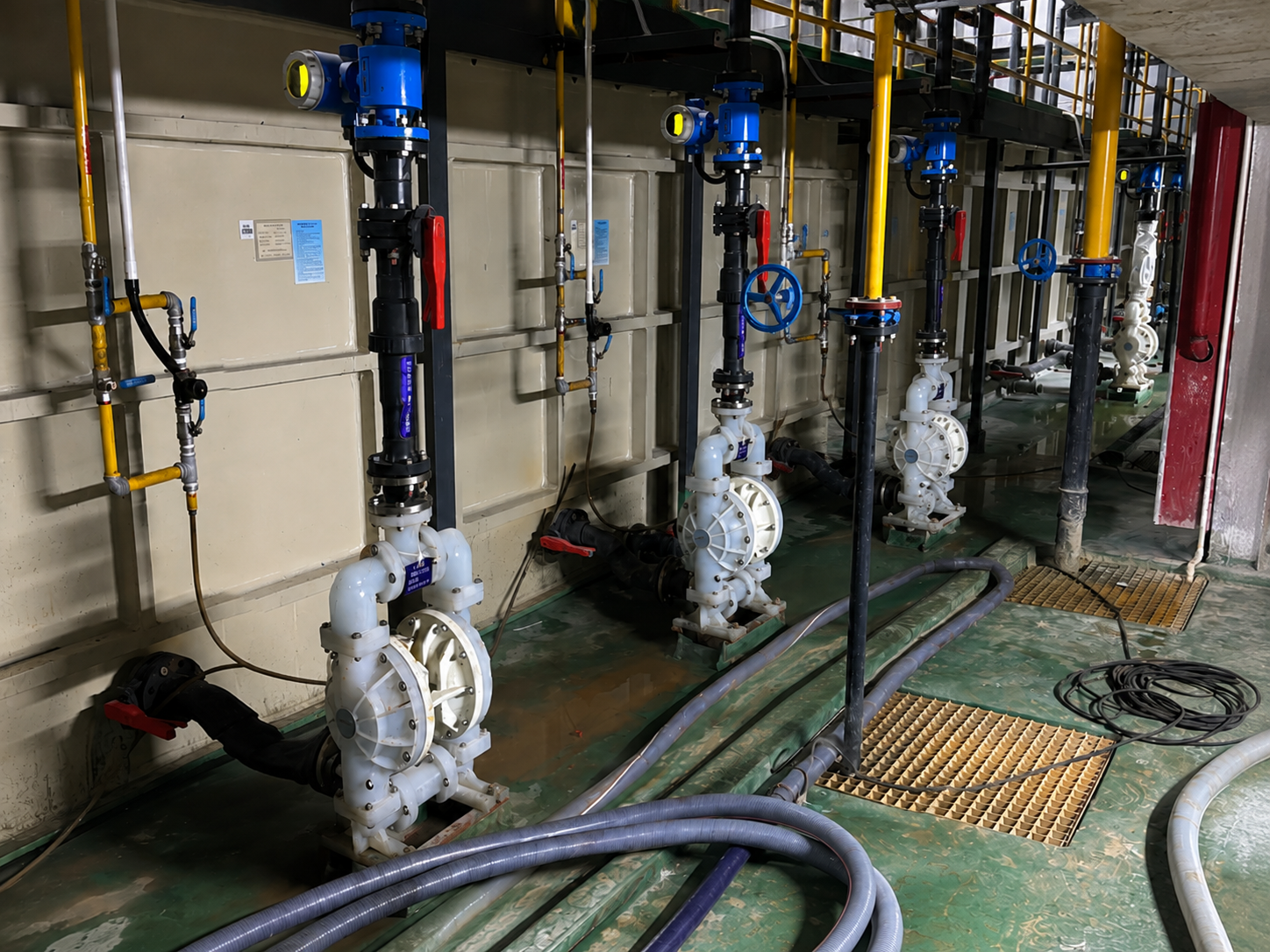
Standardized Piping Layouts and Sizing: Implement identical flange sizes, piping lengths, and material bends for all pumps of the same type (e.g., all 2 inch diaphragm pump models) across the facility. This ensures consistent fluid dynamics, eliminates friction induced cavitation, and drastically simplifies future inventory management of spare parts. Failure to use the correct diameter suction and discharge lines often leads to chronic performance issues.
Acoustic and Vibration Isolation: Mount all diaphragm pump units on dampening pads, reinforced steel skids, or specialized isolation mounts. This action minimizes the transfer of mechanical vibration to adjacent, sensitive equipment and structural components, thereby prolonging the life of sensors, instruments, and nearby piping and fittings.
Air Quality Management for Pneumatic Systems: Install dedicated, high quality filter regulator lubricator (FRL) assemblies immediately upstream of every air operated double diaphragm pump. The quality of the compressed air directly influences the lifespan of the internal air motor, spool valve, and shifting mechanism. Moisture and particulate matter are primary causes of premature failure in pneumatic systems.
Detailed Chemical Compatibility Documentation: For every chemical diaphragm pump, maintain centralized, easily accessible documentation that verifies the diaphragm, valve seats, valve balls, and housing materials are chemically compatible with the media being pumped across the entire anticipated operating temperature range. This step is non negotiable for hazardous media.
Inconsistent Air Supply and Pressure Fluctuation: If the plant's main air line lacks sufficient capacity or regulators are poorly maintained, it causes inconsistent performance across the fleet of air powered diaphragm pump units, leading to batch inconsistency and flow rate variability, severely impacting production quality control.
Improper Suction Line Design: The failure to adhere to minimum pipe diameters or the inclusion of excessive 90-degree bends starves the pump of fluid. This causes poor priming, reduced flow, and excessive strain on the mechanical components.
Lack of Standardization: Using different piping materials or connection types for identical pump models complicates troubleshooting and forces a larger, more expensive spare parts inventory to be maintained at all times.
Physical Damage and Risks from Poor Installation
These immediate consequences lead to unnecessary labor and component replacement:
Piping Stress and Housing Damage: Misaligned piping subjects the pump's bolted joints and gaskets to extreme mechanical stress. This causes premature seal failure, resulting in fluid leaks and eventual cracking of the industrial diaphragm pumps housing itself.
Air Motor Degradation: Contaminated or unlubricated compressed air rapidly degrades the internal shifting mechanisms of every pneumatic diaphragm pump, leading to sticking, stalling, and massive reductions in pumping efficiency and throughput within the first few months of operation.
Cavitation Erosion: Incorrect suction design causes the pump to operate under starved conditions. The resulting pressure fluctuations cause cavitation which rapidly erodes the pump's housing and internal wet end components, necessitating an expensive and immediate rebuild.
Proactive and Efficient System Maintenance Strategies
For business owners, maintenance should be viewed as a critical, high ROI risk mitigation investment, not merely a cost center. A centralized, condition based maintenance program ensures high fleet availability and prevents catastrophic failure across all electric diaphragm pump and air powered models.
Maintenance Tips for Pump Longevity
Scheduled Diaphragm Replacement Protocol: Establish a scheduled replacement interval based on recorded operational hours or total cycles, rather than waiting for a failure. This proactive approach is vital for any double diaphragm pump handling aggressive or expensive media, eliminating the risk of a rupture during a critical batch.
Digital Monitoring of Air Consumption: Systematically monitor the air consumption rate (SCFM) of every air operated diaphragm pump. A sudden, notable spike in air consumption is a precise indicator of a diaphragm rupture or internal seal failure, allowing for immediate, targeted repair before the fluid contaminates the air motor, saving the pump from total failure.
Detailed Fluid-Side Inspection Protocol: During planned system shutdowns or preventative maintenance windows, strictly inspect the interior wet end surfaces of all industrial diaphragm pumps. Focus on the seating surfaces of the valve balls, the integrity of the diaphragms, and any sign of abrasive wear on the housing plates, particularly for pumps handling slurries.
Preventative Metering Pump Calibration: Regularly inspect and calibrate all diaphragm metering pump units used for chemical dosing or precise additive injection. Adherence to a strict calibration schedule ensures accurate recipe formulation, prevents over or under dosing, and maintains strict environmental and product quality compliance.
Operational and Financial Damages of Neglect
Failing to implement a strategic maintenance program leads to significant financial losses and inefficiencies:
Unscheduled Downtime Costs: The sudden failure of a single pump can halt an entire section of the production line. This failure can cost the business tens of thousands to over one hundred thousand dollars per hour in lost throughput, labor idling costs, and failure to meet strict delivery contracts.
Catastrophic Component Replacement: Allowing a pump, especially an electric double diaphragm pump, to run until total failure often ruins expensive components like the connecting rod, electric motor, or main manifold housing. This necessitates a full unit replacement or a high cost, extensive rebuild kit, which is typically three to five times the cost of a simple preventative repair kit.
Product Loss and Batch Rejection: In hygienic applications (food, pharma), contamination from a failed pump seal or internal degradation leads to the rejection of entire batches. This results in the loss of all raw material and processing costs incurred, representing a massive financial setback for the operation.
Increased Reactive Labor Costs: Maintenance required under emergency conditions demands immediate call outs and overtime pay. This reactive labor is significantly more expensive than planned, scheduled maintenance labor, eroding profitability.
Health, Safety, and Compliance Risks
Neglecting diaphragm pump maintenance presents severe hazards to personnel and regulatory compliance:
Environmental and Health Hazard: The rupture of a diaphragm in a chemical diaphragm pump handling acids, solvents, or toxic fluids releases these dangerous materials into the workplace and potentially into drains. This mandates expensive, specialized Hazmat cleanup, incurs severe regulatory fines from agencies like the EPA and OSHA, and poses immediate, severe health risks to personnel.
Explosion Risk: A compromised pneumatic powder diaphragm pump running dry materials may fail to maintain its sealed containment. This allows fine combustible dust to escape and create an explosive dust cloud, risking employee lives and the total loss of the facility in violation of ATEX standards.
Regulatory Non Compliance: Failure to adhere to calibration schedules for diaphragm metering pump units can lead to illegal discharge levels of wastewater treatment chemicals or non compliant product formulations. This often results in forced facility shutdowns, heavy regulatory penalties, and significant reputational damage.
Ovell Pump: Maximizing Maintenance Efficiency
Ovell Pump is a world class diaphragm pump manufacturer, focused on providing B2B customers with pumping technologies and material specifications that directly facilitate superior asset management and system longevity. Ovell's commitment to modular, robust design simplifies scheduled maintenance, which is essential for busy facility managers looking to minimize fleet downtime. Ovell offers engineered products to ensure maximum part commonality and robust, repairable components across all material lines, which significantly reduces the time and complexity involved in inventory stocking and technical servicing.
Ovell's extensive portfolio supports streamlined maintenance across various industrial demands:
Standard Products (Air Operated Diaphragm Pumps):
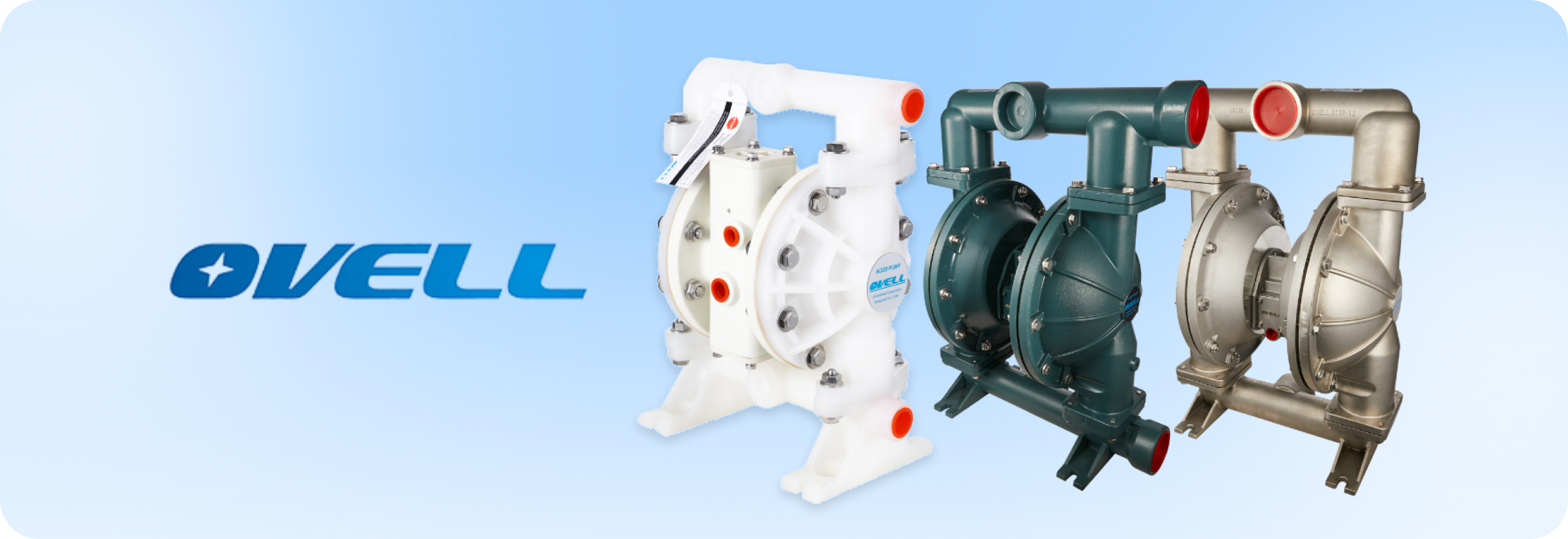
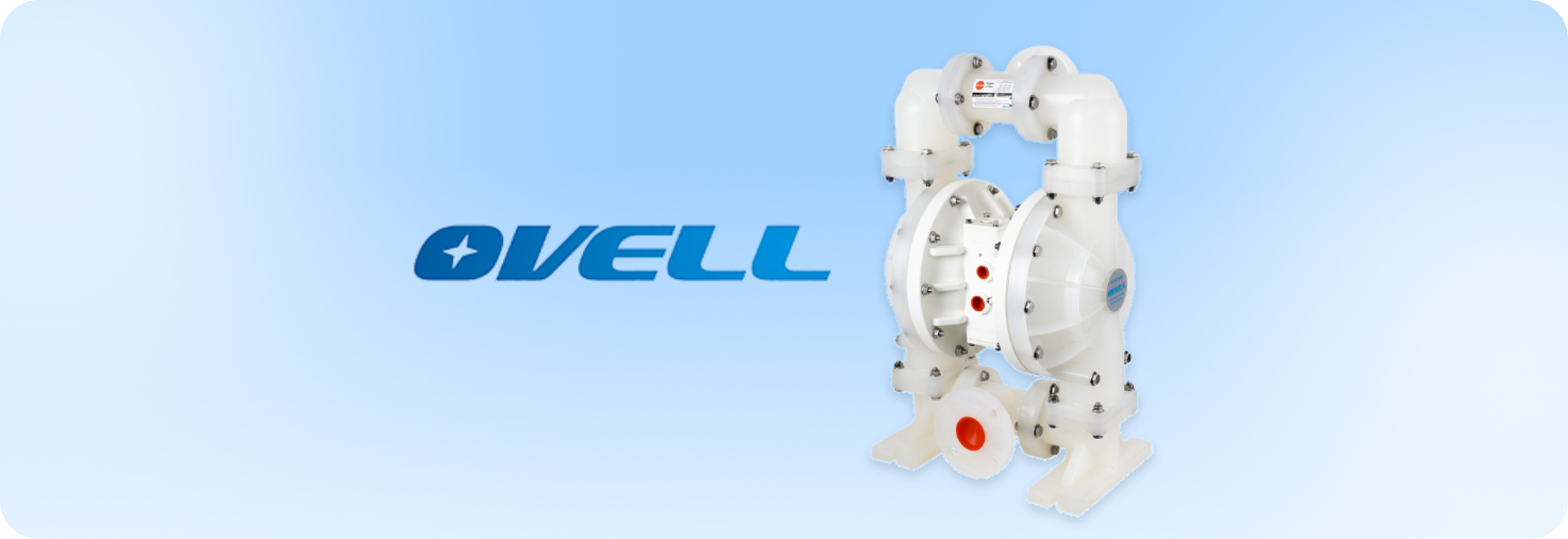
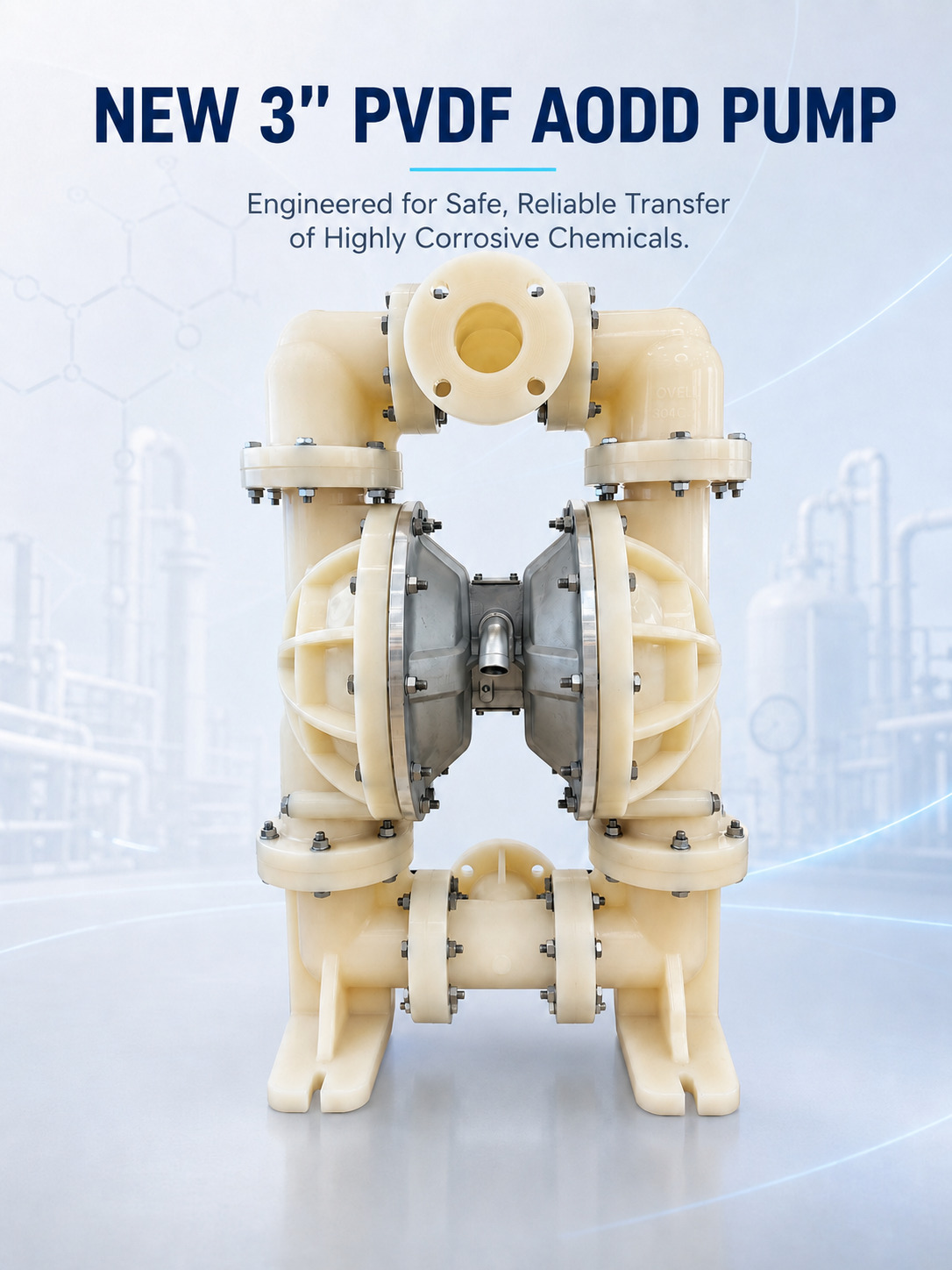
Plastic Air Diaphragm Pump: Constructed from chemically inert, easily decontaminated materials that simplify the clean in place process for highly corrosive applications, ensuring long term resistance to cleaning agents.
Stainless Steel Air Diaphragm Pump: Designed with quick release, clamp style connections (where applicable) to minimize the time required for disassembly and reassembly in sanitary and hygienic environments, prioritizing quick turnaround.
Aluminum Air Diaphragm Pump: Features durable, lightweight chassis and common bolt patterns that facilitate easier removal and servicing in general industry settings, reducing technician strain and labor time during routine checks.
Specialty Products:
Pneumatic powder diaphragm pump: Engineered with specialized air logic that is fully modular and designed for in field serviceability, ensuring minimal downtime for critical powder containment integrity checks and filter replacements.
Electric double diaphragm pump: Integrated with accessible ports for vibration monitoring and sensor attachment, simplifying condition monitoring and predictive maintenance strategies across the entire fleet.
Diaphragm metering pump: Features highly controlled mechanisms built with easily accessible manual adjustment points and calibration ports to ensure rapid and accurate verification of dosing standards without specialized equipment.
Chemical diaphragm pump: Wetted parts are designed with maximum resistance to cleaning chemicals, extending the overall service life of the pump even under stringent washdown protocols and minimizing material compatibility failure risks.
Conclusion
For the business owner, the effective management of an industrial diaphragm pumps fleet is a critical operational priority. By adopting a system wide strategy for installation standards and proactive maintenance, moving beyond reactive individual pump repair, facilities can dramatically mitigate exposure to financial, safety, and compliance risks. Investing in timely parts replacement, monitoring air quality, and ensuring proper chemical compatibility for every pump in the system guarantees optimized uptime and maximizes the return on investment in reliable diaphragm pump technology.


.svg)




.png)