Mon - Fri: 9:00 - 19:00 / Closed on Weekends

AUS: +61 431 085 666
USA: +64 21 480 290


.svg)


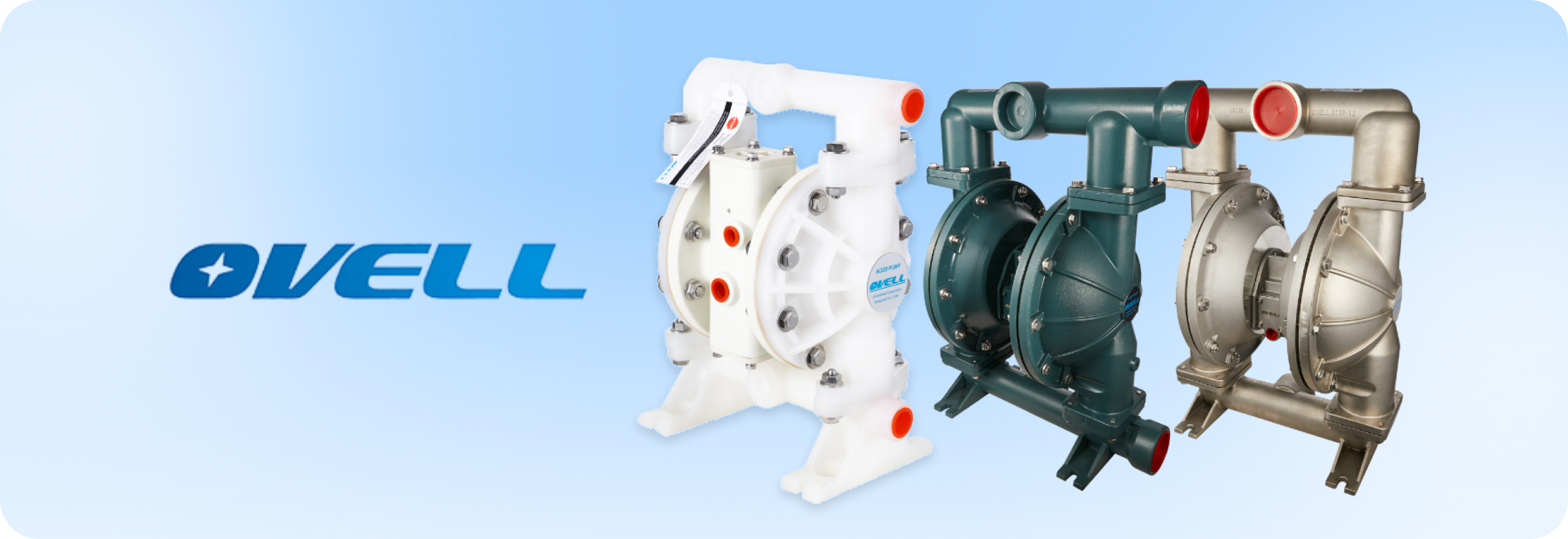
In industrial environments, diaphragm pumps are valued for their reliability, leak-free operation, and ability to handle abrasive or corrosive fluids. However, even the most robust air operated diaphragm pumps and electric diaphragm pumps can experience performance issues due to wear, improper operation, or changing process conditions.
For maintenance engineers, fast and accurate troubleshooting is essential. Knowing how to identify faults, perform field fixes, and apply preventive maintenance can significantly reduce downtime and extend pump life. This article provides a practical diaphragm pump troubleshooting guide designed for real-world, on-site maintenance.
The most frequent diaphragm pump failures are usually mechanical or operational rather than design-related. Understanding these issues helps narrow down root causes quickly.
Typical problems include:
The table below helps maintenance engineers quickly diagnose common diaphragm pump problems based on symptoms observed in the field.

This fault identification approach is especially useful for pneumatic diaphragm pumps operating in harsh environments.
Troubleshooting steps:
Field fix:
Troubleshooting steps:
Field fix:
This issue is common in air operated diaphragm pumps.
Troubleshooting steps:
Field fix:
Troubleshooting steps:
Field fix:
Yes. One key advantage of diaphragm pumps is that they can run dry without immediate damage. However, prolonged dry running may accelerate diaphragm and valve wear. Periodic inspection is recommended in applications with intermittent fluid supply.
Preventive maintenance is the most effective way to avoid unexpected diaphragm pump failures.
To minimize diaphragm pump problems:
From a maintenance standpoint, diaphragm pumps generally offer:
This makes them ideal for industries where uptime and safety are critical.
1. What is the most common diaphragm pump failure?
Diaphragm wear or rupture due to material fatigue or chemical incompatibility.
2. Why does my diaphragm pump lose pressure?
Worn check valves, suction leaks, or insufficient air supply are common causes.
3. How often should diaphragms be replaced?
Replacement intervals depend on duty cycle and fluid type but should be inspected regularly.
4. Can diaphragm pumps handle abrasive fluids long-term?
Yes, with proper diaphragm and valve material selection.
5. How do I know if my air valve needs replacement?
Excessive air consumption or irregular cycling often indicates air valve wear.
6. Is field repair possible for most diaphragm pump issues?
Yes. Most diaphragm pump problems can be resolved on site with basic tools and spare parts.
Effective diaphragm pump troubleshooting and field fixes rely on accurate fault identification, practical repair steps, and consistent preventive maintenance. By understanding common failure modes and applying proper service practices, maintenance engineers can significantly reduce downtime and extend pump service life.
For industrial operations that depend on reliable fluid handling, a well-maintained diaphragm pump is not just equipment—it’s insurance against costly interruptions.


.png)