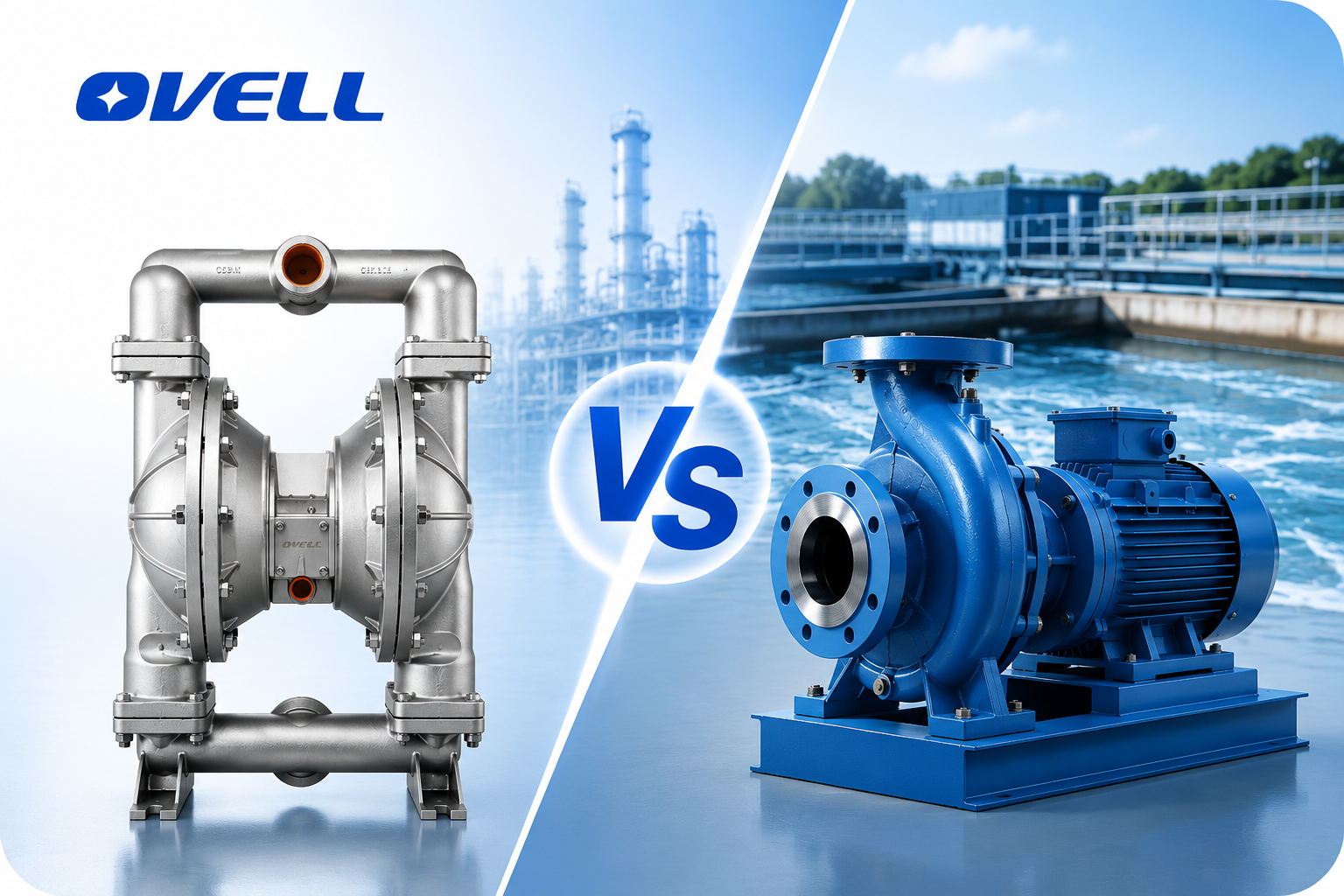
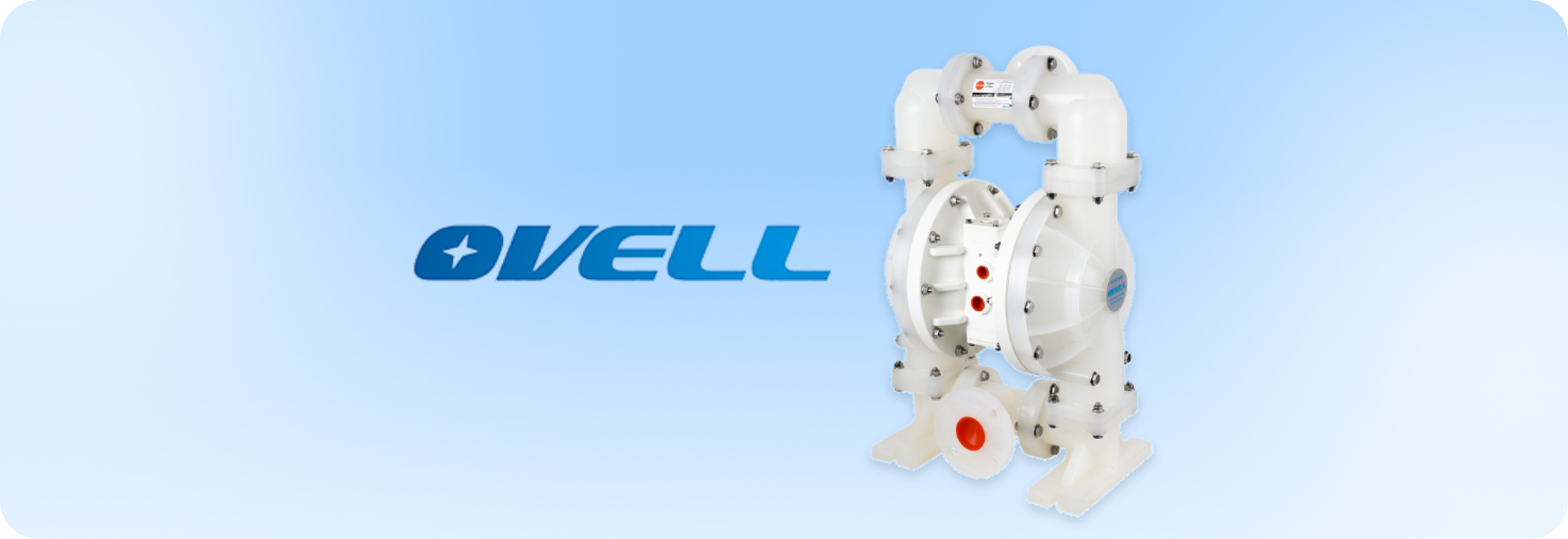
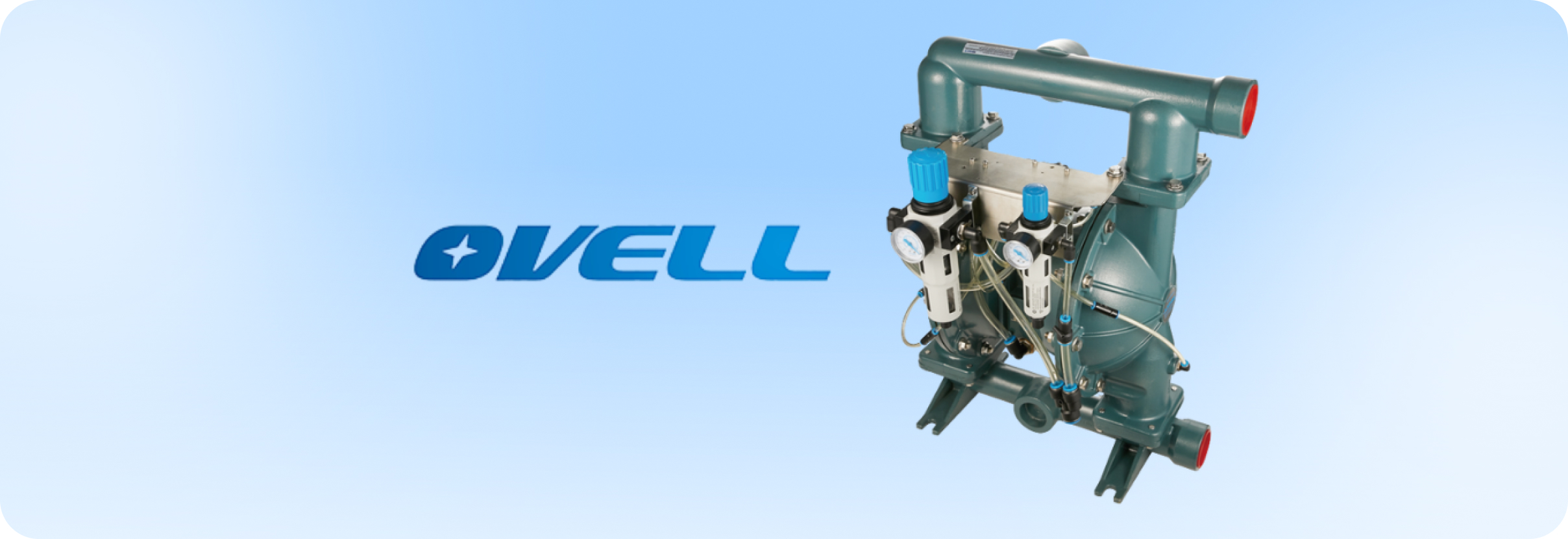
When comparing an AODD pump vs centrifugal pump, understanding the differences in working principles, fluid handling capability, maintenance, and industrial applications is essential. An air operated double diaphragm pump (AODD pump) is a type of diaphragm pump designed to transfer difficult fluids, while a centrifugal pump is commonly used for continuous, high-flow liquid movement.
For industrial operations handling chemicals, sludge, corrosive media, or viscous liquids, choosing between an AODD pump vs centrifugal pump can directly affect uptime, maintenance costs, efficiency, and safety.
So, which pump is better?
The answer depends on the fluid, operating conditions, and transfer requirements.
In this guide, we compare AODD pump vs centrifugal pump performance, explain where each technology works best, and help you decide which solution is right for industrial fluid transfer.
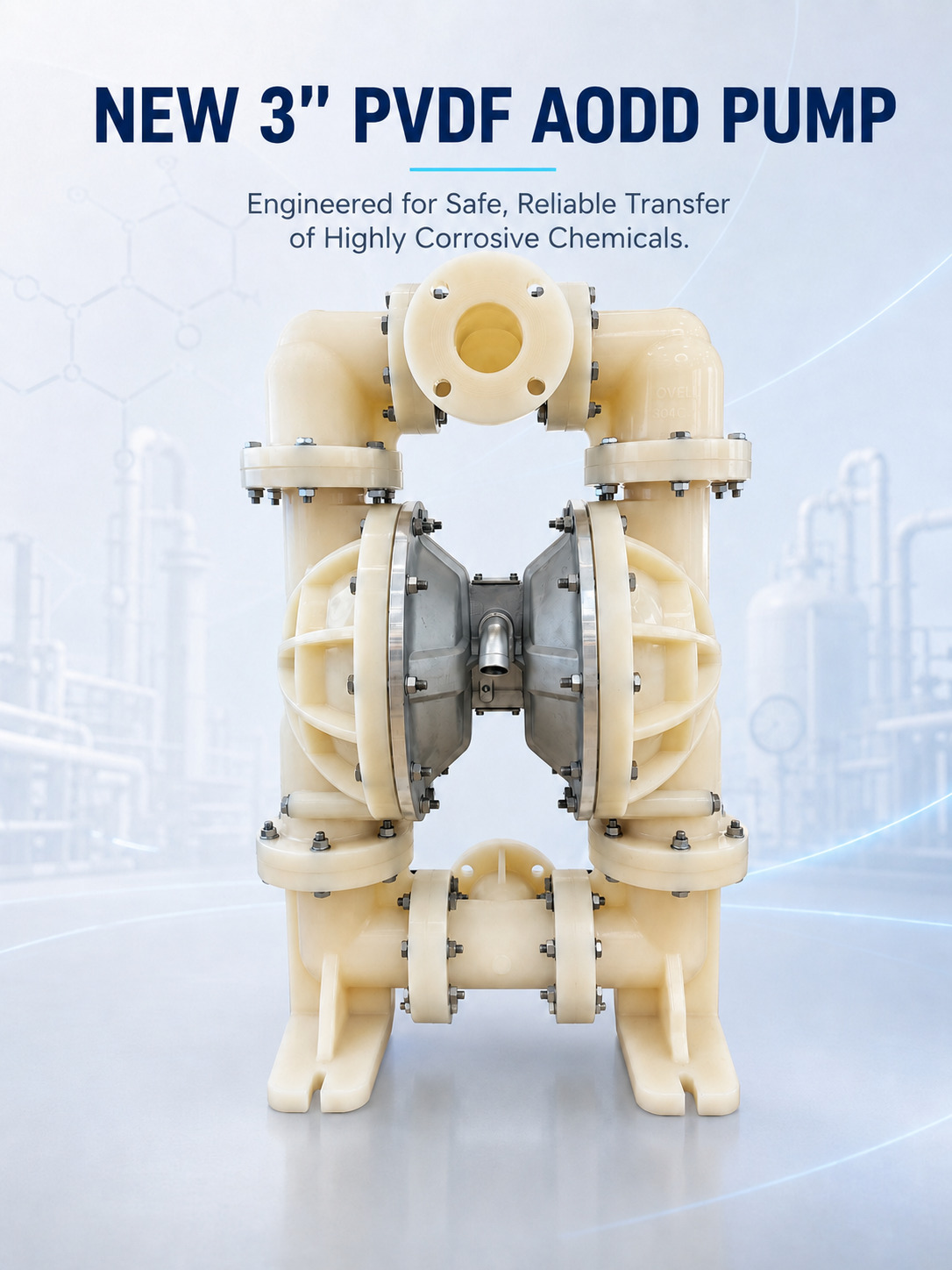
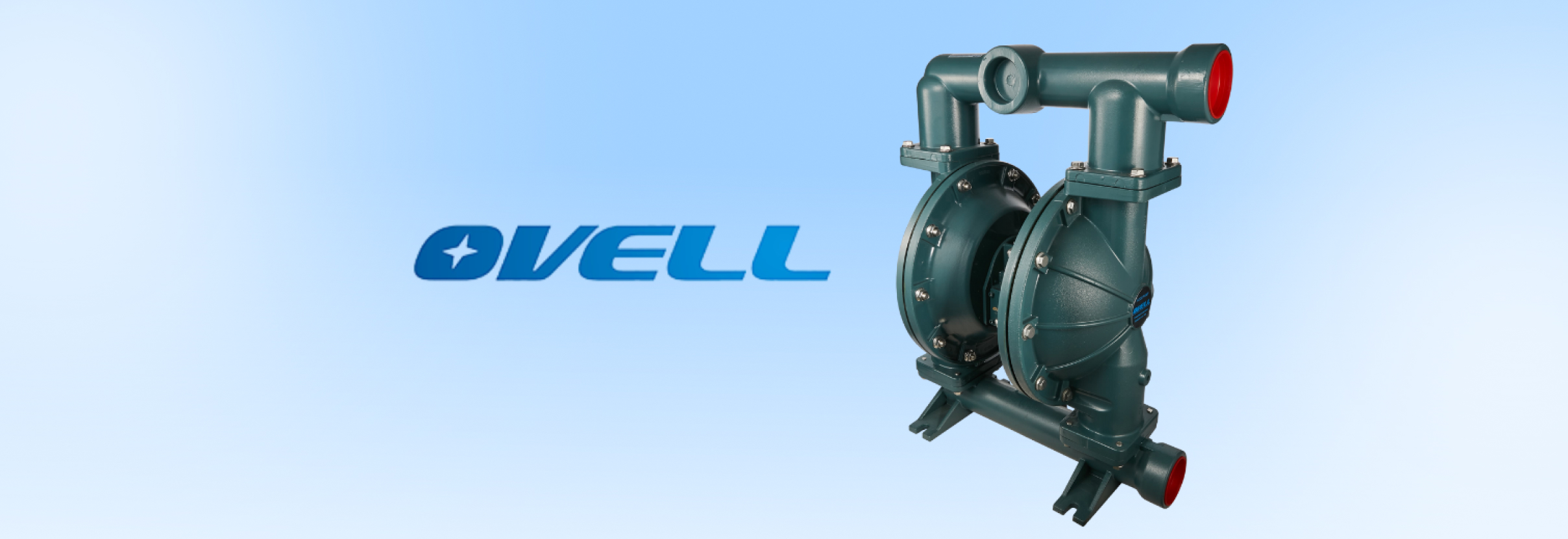
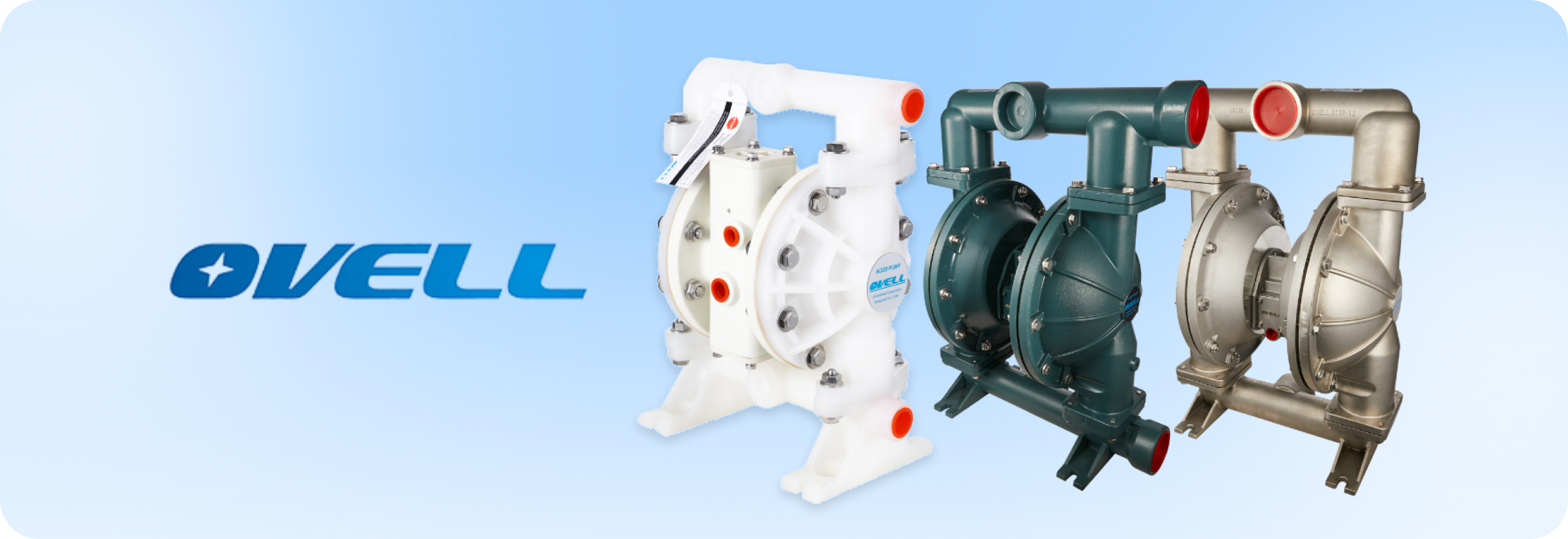
An AODD pump, short for air operated double diaphragm pump, is a positive displacement diaphragm pump powered by compressed air.
Instead of using rotating impellers, an air operated diaphragm pump transfers liquid through reciprocating diaphragm movement.
Two flexible diaphragms move back and forth, creating suction and discharge cycles that transfer fluid.
This pumping mechanism gives an AODD pump several important industrial advantages:
Because of these features, an industrial diaphragm pump is commonly used for:
If you want a deeper explanation of operation and applications, see:
What Is an AODD Pump? A Complete Guide to Air Operated Double Diaphragm Pumps
An air operated double diaphragm pump uses compressed air to alternately pressurize two diaphragm chambers.
As one diaphragm pushes liquid outward, the opposite side creates suction and draws fluid inward.
This reciprocating process creates reliable flow while handling difficult fluids that may damage conventional pumps.
An AODD pump performs especially well when dealing with:
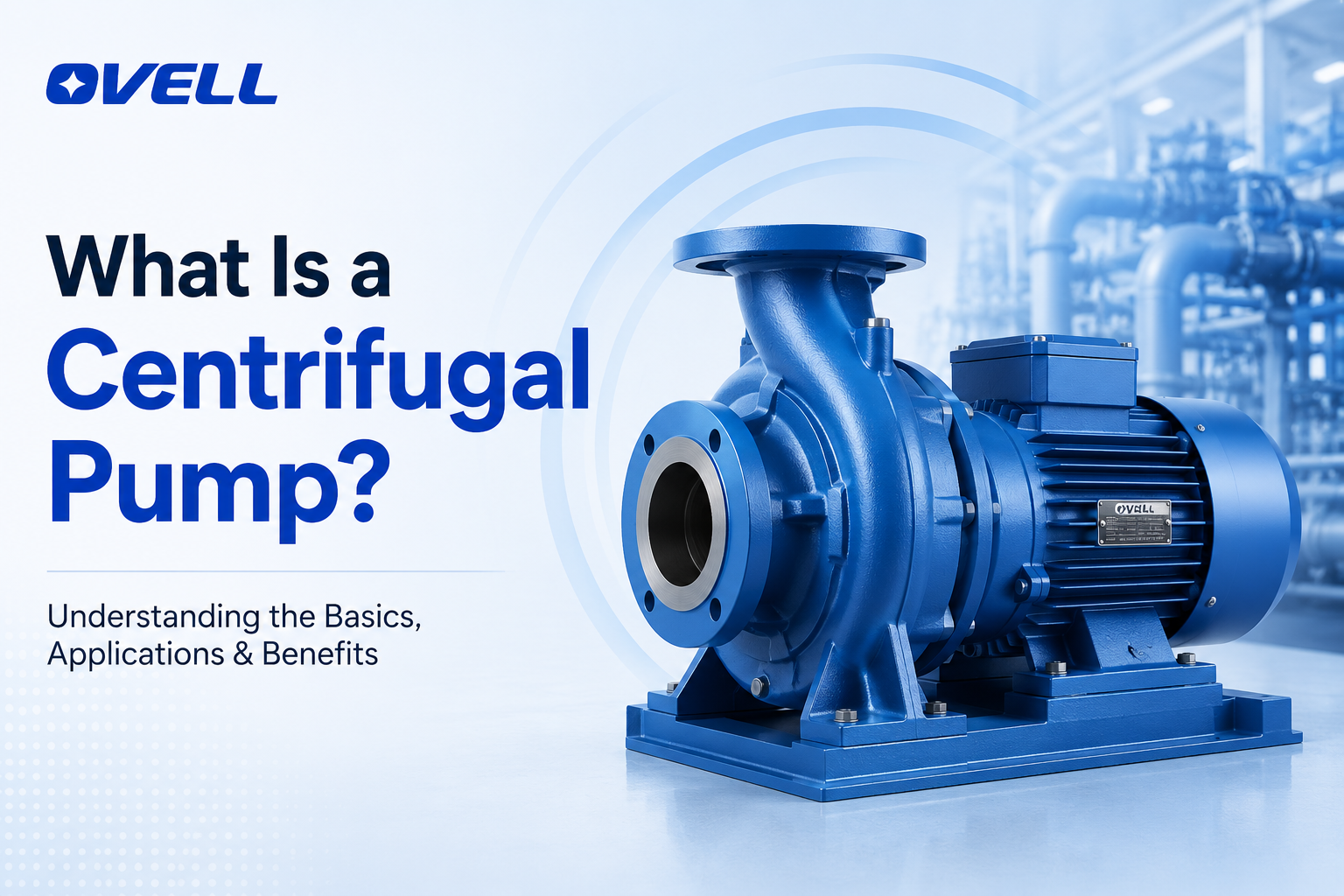
A centrifugal pump is one of the most widely used industrial pumps.
Unlike a diaphragm pump, a centrifugal pump relies on a rotating impeller to generate velocity and pressure.
As the impeller spins, fluid moves outward through centrifugal force and exits the discharge line.
This design makes centrifugal systems ideal for:
Industries commonly use a centrifugal pump for:
However, centrifugal systems may struggle when fluids become abrasive, viscous, corrosive, or solids-heavy.
The biggest difference between an AODD pump vs centrifugal pump lies in how fluid is moved.
An AODD pump uses diaphragm displacement, while a centrifugal pump uses impeller-driven kinetic energy.
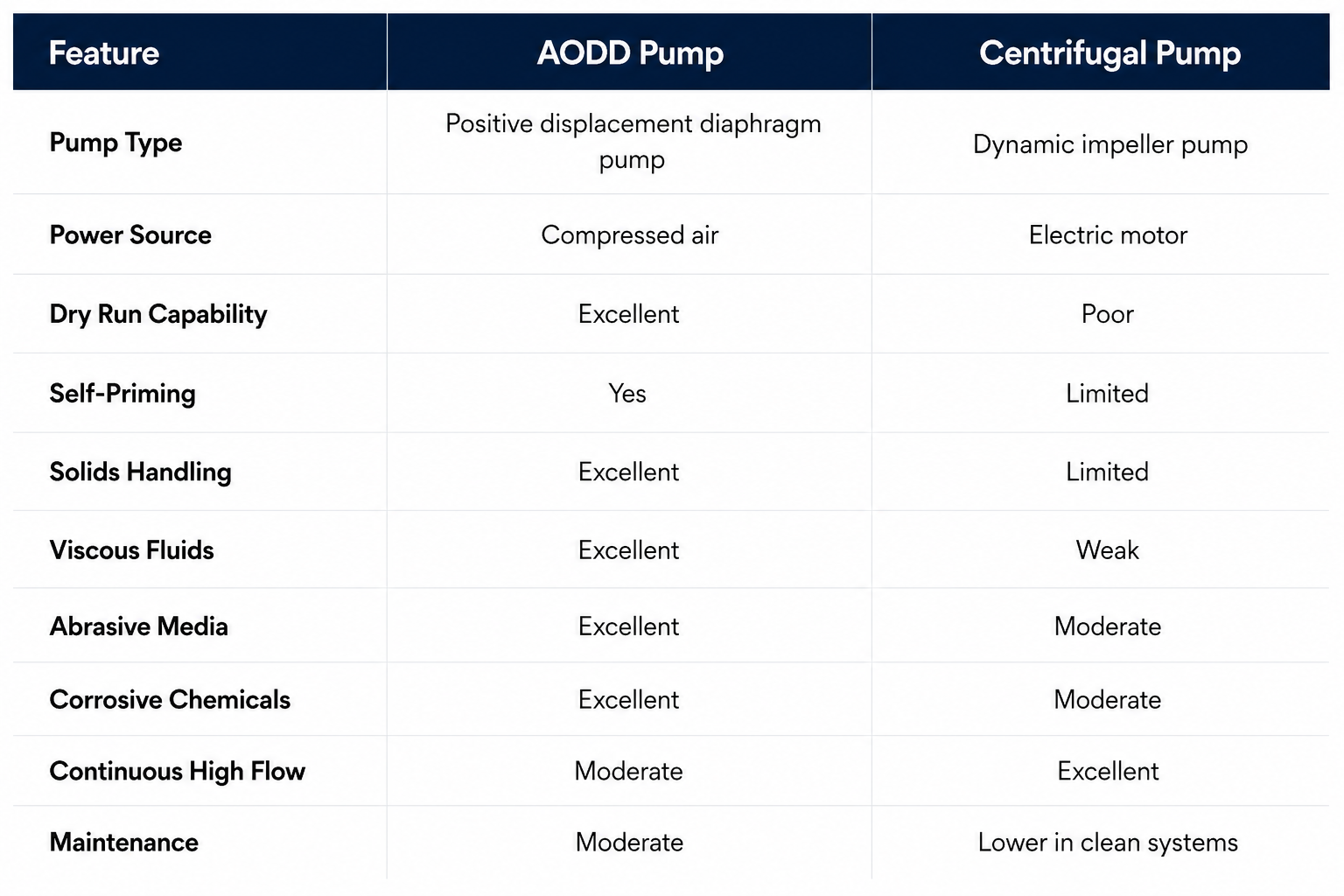
Here is a practical comparison table.

Understanding the difference between AODD pump and centrifugal pump helps industrial buyers match equipment to the application.
Let’s break down the most important factors.
A major distinction in diaphragm pump vs centrifugal pump performance is the working mechanism.
An air operated double diaphragm pump moves liquid using flexible diaphragms powered by compressed air.
Benefits include:
Because flow occurs through diaphragm movement rather than high rotational speed, an AODD pump handles sensitive and difficult media more effectively.
A centrifugal pump generates flow through spinning impellers.
This makes it highly effective for:
However, performance decreases when viscosity increases.
In many industrial environments, impellers may wear faster under abrasive conditions.
When comparing AODD pump vs centrifugal pump for chemical transfer, material compatibility becomes critical.
Many industrial chemicals involve:
An AODD pump for chemical transfer often becomes the preferred choice because it is available in chemically resistant materials such as:
Additionally, an air operated diaphragm pump has no dynamic seals exposed to the process fluid.
This reduces leakage risk.
An AODD pump generally performs better when chemical transfer involves:
Meanwhile, a centrifugal pump works best for clean, stable, low-viscosity liquids moving at high volume.
For facilities searching for a chemical transfer pump or pump for corrosive chemicals, an industrial diaphragm system is often the safer option.
If your operation handles sludge, slurry, adhesives, paint, or abrasive mixtures, this comparison becomes even more important.
In most cases, the winner is clear:
AODD pump.
An AODD pump works exceptionally well as a pump for viscous liquid because flow depends on diaphragm displacement instead of high-speed rotation.
Applications include:
Benefits include:
An air operated double diaphragm pump also handles abrasive media better than many centrifugal systems.
Mining, wastewater, and slurry operations often prefer an industrial diaphragm pump because it tolerates suspended solids and abrasive particles more effectively.
For sludge transfer pump applications, AODD technology is frequently the safer long-term investment.
One of the biggest selling points in the AODD pump vs centrifugal pump debate is dry-run capability.
Yes—AODD pumps can run dry.
This is one of the strongest reasons many industrial facilities choose diaphragm technology.
A centrifugal pump generally cannot tolerate dry operation.
Without fluid lubrication or cooling, components may quickly overheat or fail.
An AODD pump, however, can often continue operating temporarily without immediate mechanical damage.
This makes it valuable for:
A dry run pump significantly reduces operational risk.
Another important comparison is:
self priming pump vs centrifugal pump
Most AODD pumps are naturally self-priming.
That means they can evacuate air and begin pumping without manual priming procedures.
This is useful when:
A centrifugal system may require:
For many industrial transfer operations, self-priming capability improves reliability and startup efficiency.
Maintenance is another important factor when evaluating AODD pump vs centrifugal pump performance.
Although both technologies require upkeep, the maintenance profile differs significantly.
An AODD pump has fewer rotating mechanical components but includes wear parts such as diaphragms, ball valves, and seals.
A centrifugal pump, meanwhile, often depends on:
The right choice depends on the fluid and operating environment.
Routine maintenance for an air operated double diaphragm pump typically includes:
In abrasive or chemical applications, preventative maintenance is critical.
However, because the AODD pump working principle is relatively simple, troubleshooting is often straightforward.
For deeper maintenance guidance, consider internally linking to:
Diaphragm Pump Maintenance and Troubleshooting Guide
A centrifugal pump often requires:
Clean-water systems may experience relatively low maintenance.
But abrasive particles, solids, and dry-run situations can dramatically reduce equipment life.
To understand why many manufacturers prefer diaphragm systems, it helps to summarize the core AODD pump advantages.
Compared with a centrifugal pump, an AODD pump frequently provides greater flexibility for demanding industrial environments.
One of the biggest advantages is that AODD pumps can run dry.
In industrial operations, unexpected interruptions happen.
A centrifugal pump running dry may suffer:
An AODD pump, by comparison, tolerates intermittent dry operation much better.
This makes it a preferred dry run pump for tank unloading and inconsistent feed systems.
Because an air operated diaphragm pump is naturally self-priming, operators spend less time manually priming systems.
This improves:
For many facilities comparing self priming pump vs centrifugal pump, this becomes a major decision factor.
An industrial diaphragm pump handles suspended solids more effectively.
Applications include:
A centrifugal pump may clog or wear faster under similar conditions.
A pump for corrosive chemicals often benefits from diaphragm technology.
With material options like:
an AODD pump for chemical transfer offers excellent corrosion resistance.
So, when is an AODD pump the better investment?
An air operated double diaphragm pump is often the best option when operations involve difficult fluids or harsh environments.
Choose an AODD pump if your process includes:
An AODD pump for chemical transfer works well when handling:
Material compatibility and reduced leak risk are major advantages.
A wastewater transfer pump often benefits from diaphragm technology.
An industrial diaphragm pump handles:
more effectively than many impeller-driven systems.
Need a pump for viscous liquid?
An AODD pump performs especially well with:
Because flow occurs through displacement rather than speed, viscosity has less impact.
Since an air operated double diaphragm pump uses compressed air rather than electric motors, it becomes suitable for many hazardous environments.
This can improve workplace safety.
If fluid supply fluctuates, dry running matters.
A centrifugal pump may fail under these conditions.
An AODD pump tolerates them much better.
Despite the advantages of diaphragm systems, a centrifugal pump still remains highly effective in many applications.
Choose a centrifugal pump when you need:
For large-volume transfer of clean liquids, centrifugal technology usually wins.
Typical examples:
A centrifugal pump performs well in systems with:
In some clean-water applications, centrifugal systems may have lower upfront investment costs.
However, lifecycle costs depend heavily on fluid characteristics and maintenance requirements.
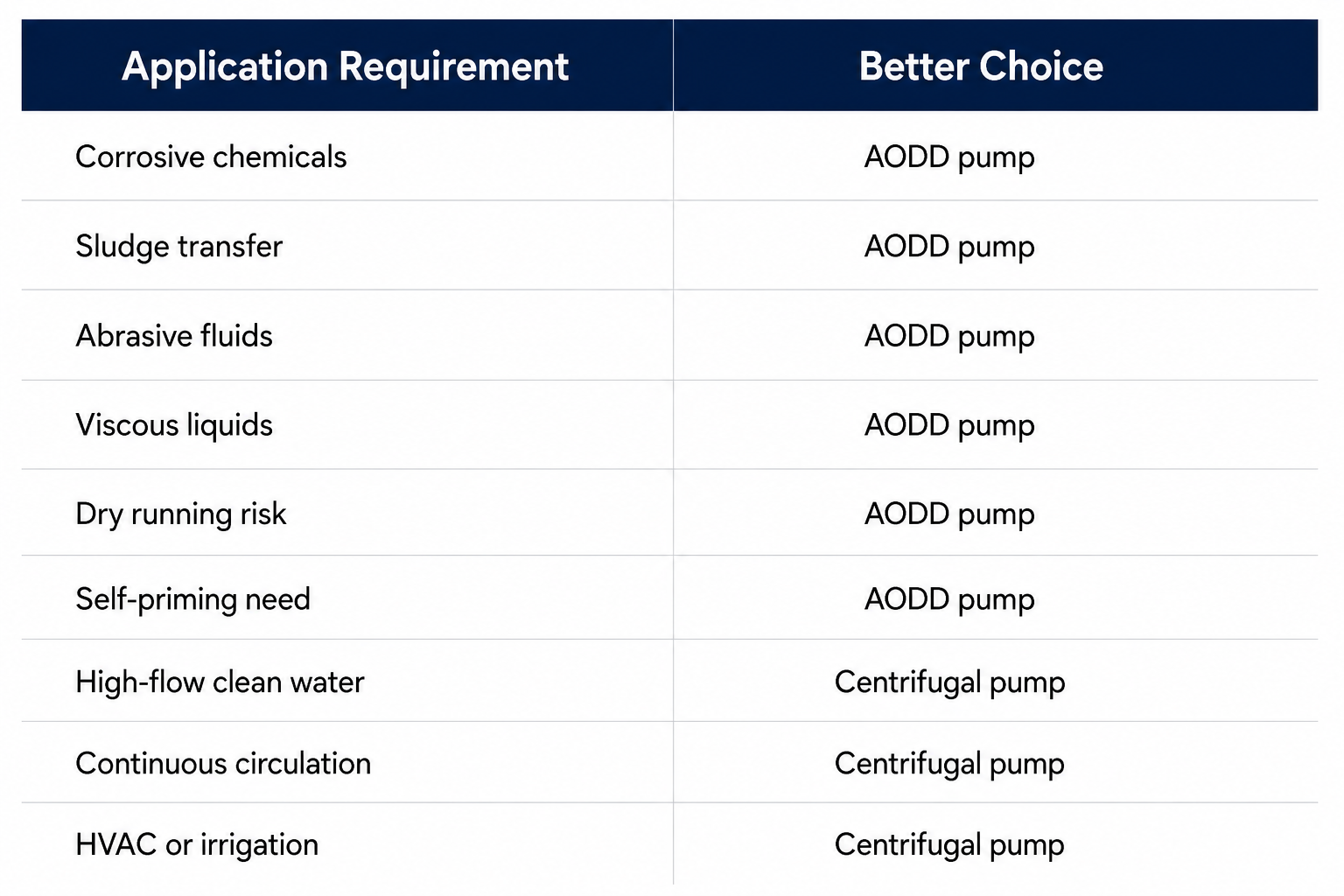
If you still wonder which option is better, use this simple guide.

In many industrial environments, the answer to AODD pump vs centrifugal pump depends less on which technology is “better” overall and more on which one better matches the process.
1. What is the difference between an AODD pump and a centrifugal pump?
The biggest difference between AODD pump and centrifugal pump systems is operating principle.
An AODD pump uses diaphragm displacement powered by compressed air, while a centrifugal pump uses a rotating impeller.
2. Is a diaphragm pump better than a centrifugal pump?
A diaphragm pump vs centrifugal pump comparison depends on application.
A diaphragm pump often performs better with:
Meanwhile, centrifugal systems work better for high-flow clean liquids.
3. Can AODD pumps run dry?
Yes.
One major AODD pump advantage is dry-run capability without immediate equipment failure.
4. Which pump is better for chemical transfer?
An AODD pump for chemical transfer is often preferred due to corrosion resistance and material compatibility.
5. Which pump handles sludge better?
A pump for sludge transfer is usually an industrial diaphragm pump, because it handles solids and abrasive materials more effectively.
6. Are AODD pumps self-priming?
Yes.
Most air operated diaphragm pumps are naturally self-priming.
7. Which pump is more energy efficient?
A centrifugal pump may offer higher energy efficiency for clean, continuous, high-volume flow.
However, an AODD pump may reduce downtime and maintenance costs in difficult applications.
When evaluating AODD pump vs centrifugal pump, there is no universal winner.
The best choice depends on fluid type, operating environment, maintenance expectations, and transfer requirements.
If your operation involves:
an AODD pump or air operated double diaphragm pump is often the better long-term investment.
On the other hand, if your process focuses on high-flow, clean, low-viscosity liquids under stable conditions, a centrifugal pump may provide greater efficiency and lower operating costs.
In many industrial facilities, the smartest approach is not asking:
“Which pump is better?”
Instead ask:
“Which pump is better for this application?”
For more industrial pump guidance, diaphragm pump maintenance insights, and engineering best practices, readers can explore technical resources from the Hydraulic Institute, industrial engineering standards from ASME, and safety recommendations for hazardous industrial environments from OSHA.