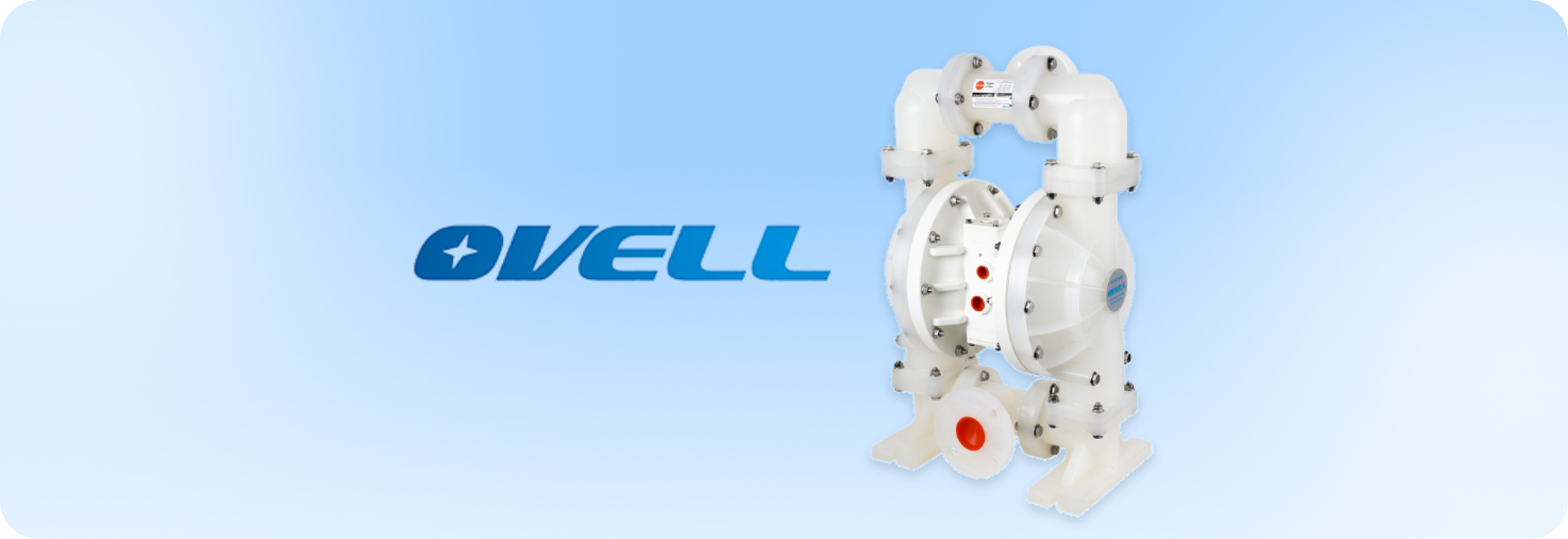
Mon - Fri: 9:00 - 19:00 / Closed on Weekends

AUS: +61 431 085 666
USA: +64 21 480 290


.svg)


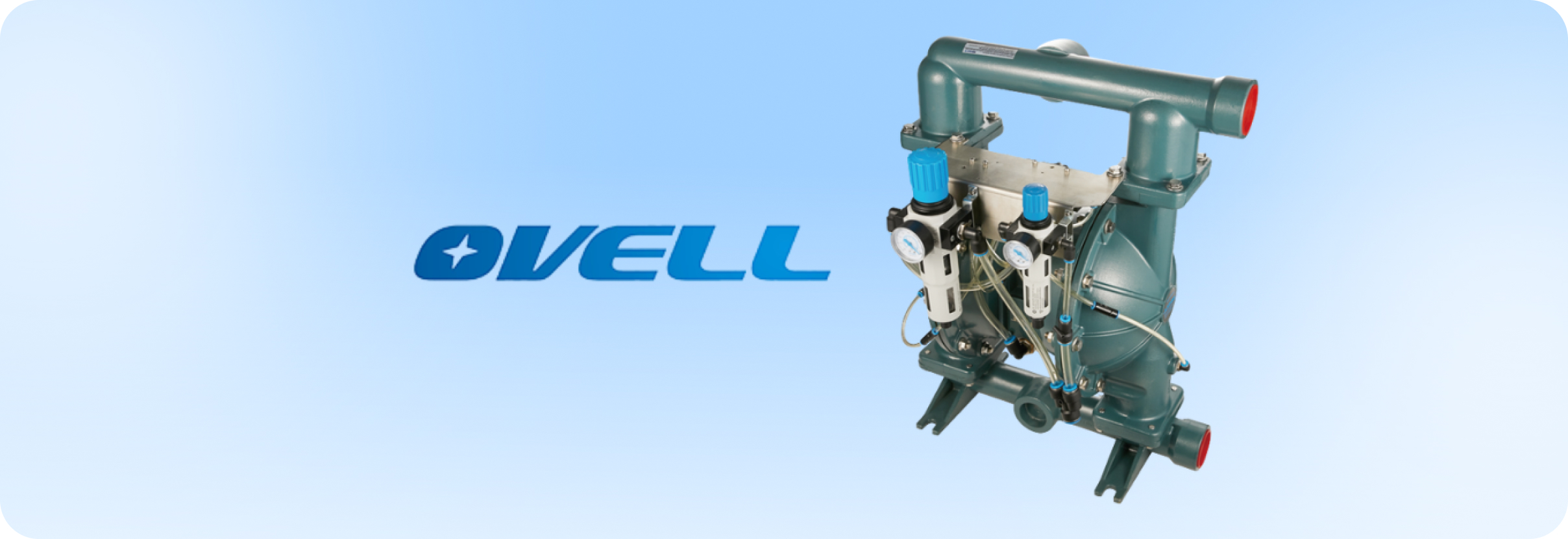
Transferring dry, fine powders represents a critical challenge in industrial processing. Across sectors such as ceramics, pharmaceuticals, and chemical manufacturing, handling materials that range from micronized pigments to highly volatile chemical precursors introduces unique obstacles related to safety, material integrity, and operational cost. Traditional methods, such as screw conveyors or bucket elevators, often introduce risks like material degradation, excessive dusting, and high maintenance demands. The pneumatic powder diaphragm pump offers a radical alternative, leveraging the proven reliability of diaphragm technology to move dry bulk solids gently, safely, and economically. This article details the operational difficulties inherent in powder transfer and explores how this specialized diaphragm technology provides an ideal solution.
Moving dry powders differs fundamentally from liquid transfer. The inherent nature of bulk solids, including particle size, flowability, and bulk density, presents specific engineering hurdles that must be overcome to maintain both product quality and worker safety.
Safety Risks and Dust Control
Handling fine powders often results in the creation of airborne dust. This atmospheric condition presents a twin hazard: operator health risk through inhalation and the potential for a dust explosion. Many organic and fine metal powders are highly combustible when suspended in the correct concentration of air, requiring strict adherence to regulatory standards, such as ATEX. Any pumping equipment used must operate without generating heat, sparks, or excessive agitation that could ignite the material or environment. The complete containment of the material throughout the transfer process is therefore paramount.
Material Degradation and Contamination
Many industrial powders, such as food ingredients, pharmaceutical excipients, or delicate pigments, are sensitive to rough handling. Conventional transfer systems can subject these materials to high shear forces, friction, or compression, leading to particle size breakdown, caking, or segregation. This degradation compromises the material's bulk density and subsequent performance in the final product. Furthermore, the complexity of internal mechanical parts in traditional conveyors often makes them difficult to clean, potentially leading to cross contamination when switching between different powder types.
Operational Inefficiency and Maintenance Costs
Traditional powder transfer systems are frequently characterized by significant energy consumption and high wear. Mechanical components exposed to abrasive powders necessitate frequent maintenance, resulting in costly downtime and premature component replacement. The complex nature of these systems also demands extensive labor for cleaning and troubleshooting, which directly impacts overall operational efficiency and total cost of ownership.
The pneumatic powder diaphragm pump is a specialized variation of the air operated diaphragm pump, uniquely engineered to gently convey dry materials instead of liquids. It operates through a gentle micro agitated movement, utilizing air pressure to cycle the diaphragms, creating a vacuum to draw powder into the chamber and then an air pressure pulse to push it out.
The design principles of this pump directly address the core challenges of dry material handling:
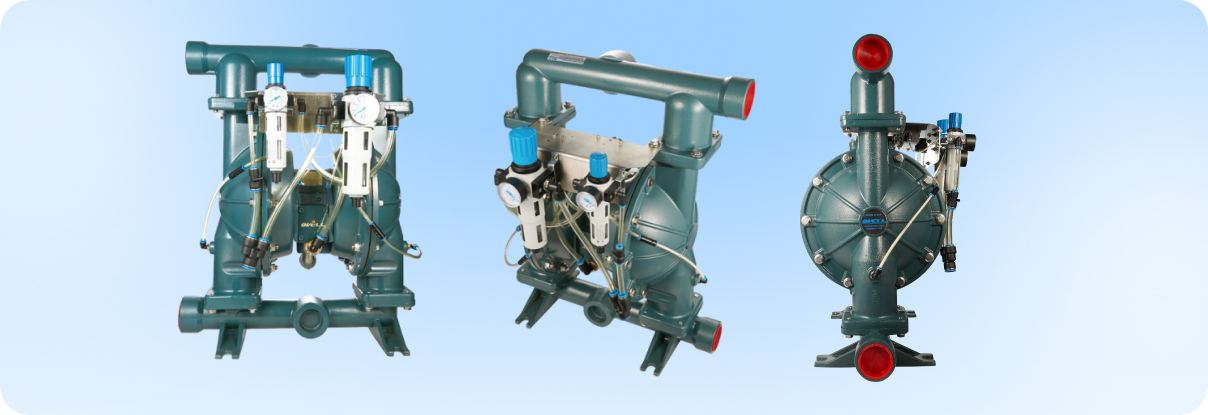
The unique capabilities of the pneumatic powder diaphragm pump make it the ideal choice for several key industries that handle challenging bulk solids:
Ceramics and Pigment Manufacturing
In ceramics, the transfer of fine glazes, powdered clays, and specialized pigments requires absolute consistency. The challenge lies in delivering these abrasive materials without compromising their particle structure, which directly dictates the final product's texture and color. The pneumatic powder diaphragm pump excels by providing high capacity conveyance for materials with bulk densities up to 850 kg/m³, while maintaining their integrity through gentle transfer. This ensures consistent quality from the raw material stage to the final mixing.
Hygiene and Pharmaceuticals
The pharmaceutical and hygiene sectors require the highest levels of purity and contamination control. The movement of excipients, active pharmaceutical ingredients (APIs), and fine chemicals demands a closed, seal tight system to prevent contact between personnel and the material, and to eliminate environmental contamination. The pump's superior containment and safety features, including the elimination of sparks, make it essential for processing valuable and sometimes volatile ingredients. The design is also easy to disassemble and clean, meeting stringent sanitary requirements for minimal downtime.
Chemical Processing and Mining Additives
Many chemical processes rely on the introduction of fine chemical reagents or mineral additives. Challenges here include handling materials that are corrosive, hygroscopic (absorb moisture), or prone to caking inside transfer lines. The ability of the pneumatic powder diaphragm pump to convey a broad range of bulk densities efficiently, combined with its closed system design, prevents exposure to atmospheric moisture, maintaining the chemical integrity of sensitive materials throughout the logistics chain. This adaptability makes it a versatile industrial diaphragm pump for these demanding environments.
The pump’s performance metrics further underline its suitability for heavy duty industrial use. These pumps are capable of conveying material at high capacities, reaching up to 4.5 T/h, and delivering materials to a maximum height of 30m. This capability rivals many larger, more complex mechanical systems but within a more economical and practical footprint. The design is mainly constructed of Aluminum but offers customization options for different material specifications to enhance chemical compatibility as needed.
Ovell Pump specializes in the development and provision of high performance industrial diaphragm pumps and comprehensive fluid management solutions, ensuring operational stability across critical sectors. The company's portfolio is built around delivering innovative and efficient pumping technologies for demanding industrial applications worldwide.
For the dry material handling market, Ovell Pump provides specific solutions that directly address safety, containment, and efficiency challenges:
Ovell Pump is a dedicated diaphragm pump manufacturer committed to supporting partners with certified quality and engineering expertise.
The transfer of dry industrial powders demands a specialized approach that prioritizes operator safety, material integrity, and long term operational efficiency. Traditional mechanical methods struggle with issues related to dusting, degradation, and high maintenance costs. The pneumatic powder diaphragm pump emerges as a superior solution, offering a seal tight, spark free, and gentle conveyance mechanism. By mitigating safety hazards and preserving the quality of sensitive materials, this diaphragm pump technology ensures that complex industrial processes, from pharmaceutical manufacturing to ceramics production, can achieve both compliance and optimal throughput, positioning Ovell Pump as a leader in industrial diaphragm pumps.

.png)