Mon - Fri: 9:00 - 19:00 / Closed on Weekends

AUS: +61 431 085 666
USA: +64 21 480 290


.svg)


The ascent of the lithium ion battery industry represents a pivotal shift in global energy technology, driving the electrification of transport and large scale grid storage solutions. As demand accelerates, the manufacturing processes required to produce these sophisticated energy devices face some of the most exacting standards in modern chemical engineering. Success in this sector hinges on maintaining unparalleled purity, managing highly viscous materials, and ensuring the absolute containment of volatile solvents. This article explores the core challenges within lithium battery production and outlines how high performance diaphragm pump technology provides essential solutions for operational stability and efficiency.
Lithium ion batteries are complex devices built layer by layer. The performance and longevity of the final product depend on the integrity of the anode, cathode, separator, and electrolyte materials. The quality control required at every stage is immensely high; even trace impurities can dramatically reduce a battery’s capacity, lifespan, and safety. This stringent requirement elevates the difficulty of all fluid handling processes, which must seamlessly integrate into high volume production lines without compromising the delicate chemistry.
The manufacturing environment is characterised by significant investment in dry rooms and sophisticated mixing equipment. The movement of raw and intermediate materials, such as electrode slurries and electrolytes, must be controlled with extreme precision as production scales globally. The need for robust, reliable, and contamination free fluid transfer equipment becomes a critical bottleneck that must be addressed to sustain growth and maintain competitive advantage.
This manufacturing environment demands solutions that can mitigate risks across three major areas:
The specific challenges faced in LiB production stem from the fundamental materials science and the intense regulatory pressures placed on the final product. Understanding these roots explains why conventional pumping solutions often fail.
Lithium salts and active materials are exceptionally sensitive to moisture and air. The entire production process must occur in carefully controlled environments, such as dry rooms with extremely low dew points, or under inert atmospheric conditions. Even trace moisture initiates decomposition reactions. Therefore, all fluid transfer equipment must be completely leak free and constructed from materials that do not absorb or react with moisture. Air operated diaphragm pump solutions with chemically appropriate wetted parts are crucial for this application.
The electrode slurry is a complex, non Newtonian fluid. Its viscosity changes dramatically based on the shear rate applied. Excessive shearing from high speed or poorly designed pumps can permanently alter the slurry's internal structure, which negatively affects how the material coats the current collector. This damage impacts the final electrode's density, porosity, and electrochemical performance. What is required is a positive displacement mechanism that transfers the fluid with minimal internal agitation, which is a key characteristic of the double diaphragm pump design.
The automotive and energy storage industries are heavily regulated, requiring comprehensive traceability and predictable component performance. Pumps must be both chemically resistant and mechanically dependable to prevent unscheduled shutdowns. Equipment failure resulting in material waste or a safety incident is incredibly costly. Robust engineering, predictable maintenance cycles, and verified material certificates are therefore non negotiable requirements for all process equipment.
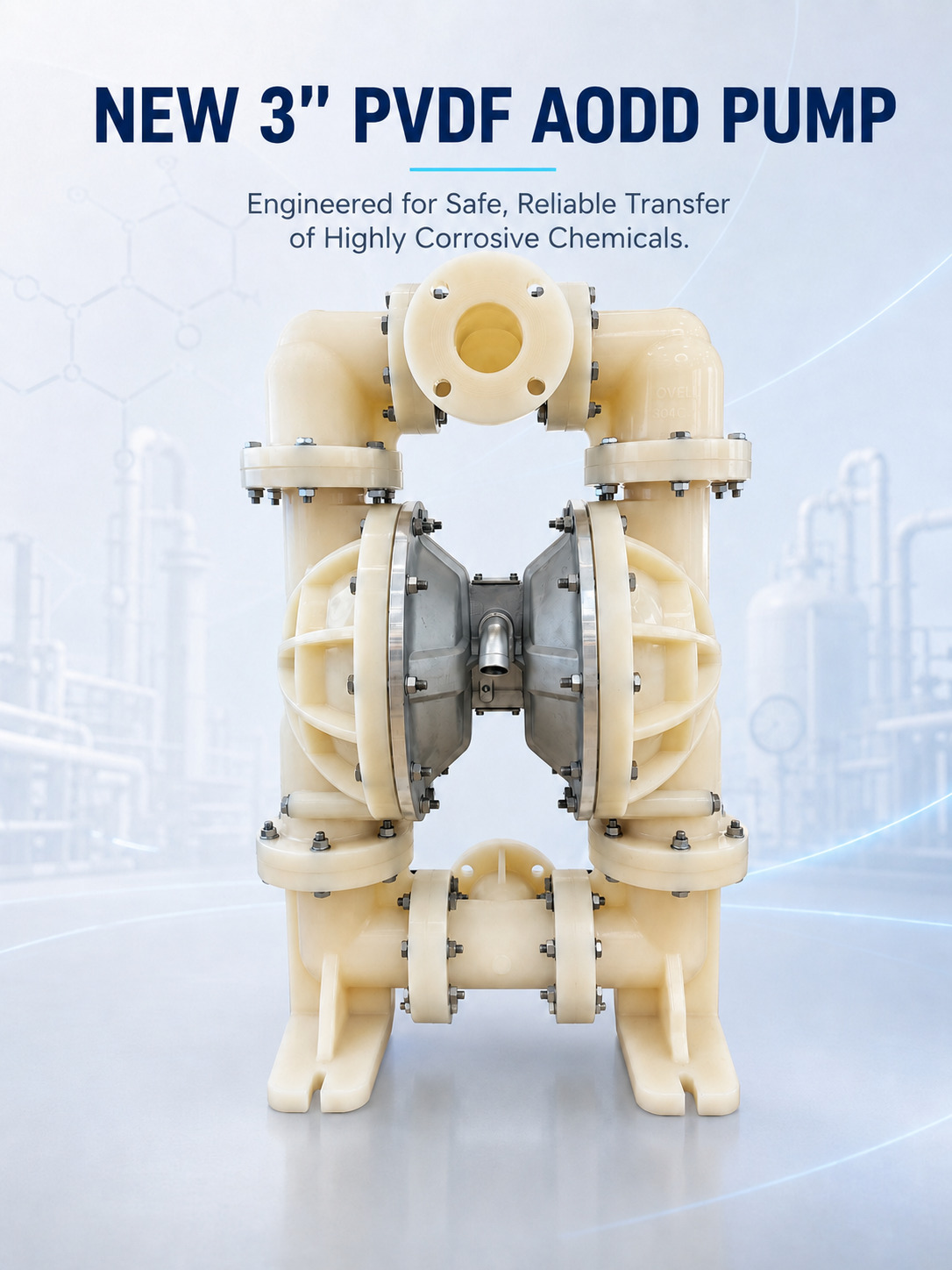
Diaphragm pump technology offers a compelling solution to these difficulties due to its intrinsic design features. These positive displacement pumps function using a reciprocating diaphragm that creates a temporary chamber, drawing fluid in and pushing it out. This operational mechanism provides specific benefits:
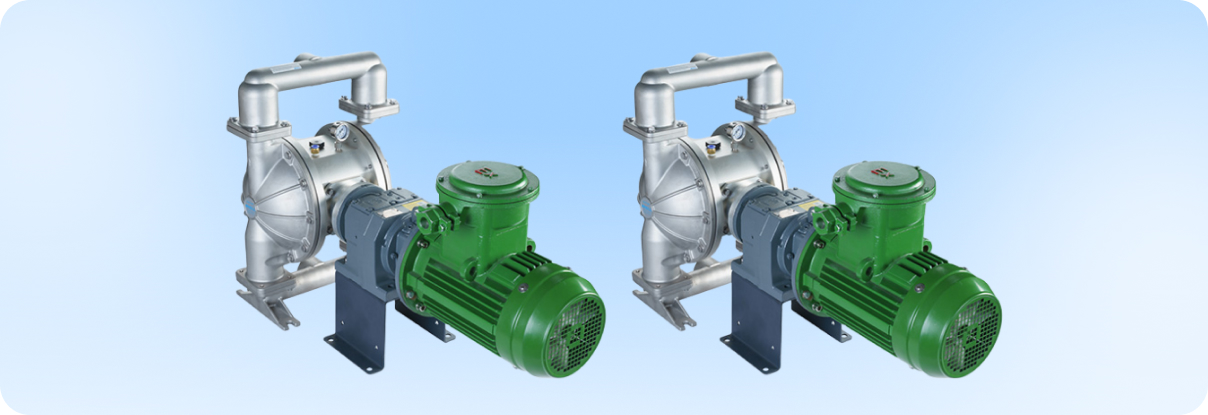
Both pneumatic diaphragm pump and electric drive technologies play vital roles in the LiB sector, depending on the stage of the process:
Ovell Pump specializes in the development and provision of high performance industrial diaphragm pumps and comprehensive fluid management solutions, ensuring operational stability across critical sectors. The company's portfolio is built around delivering innovative and efficient pumping technologies for demanding industrial applications worldwide.
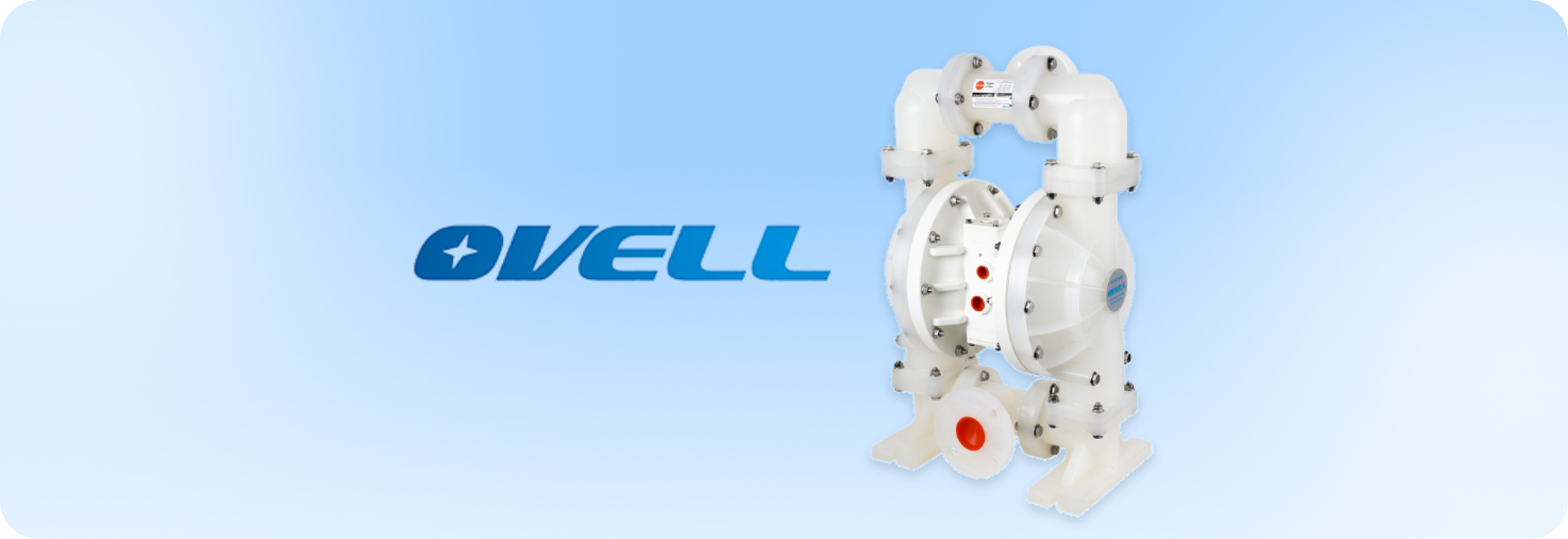
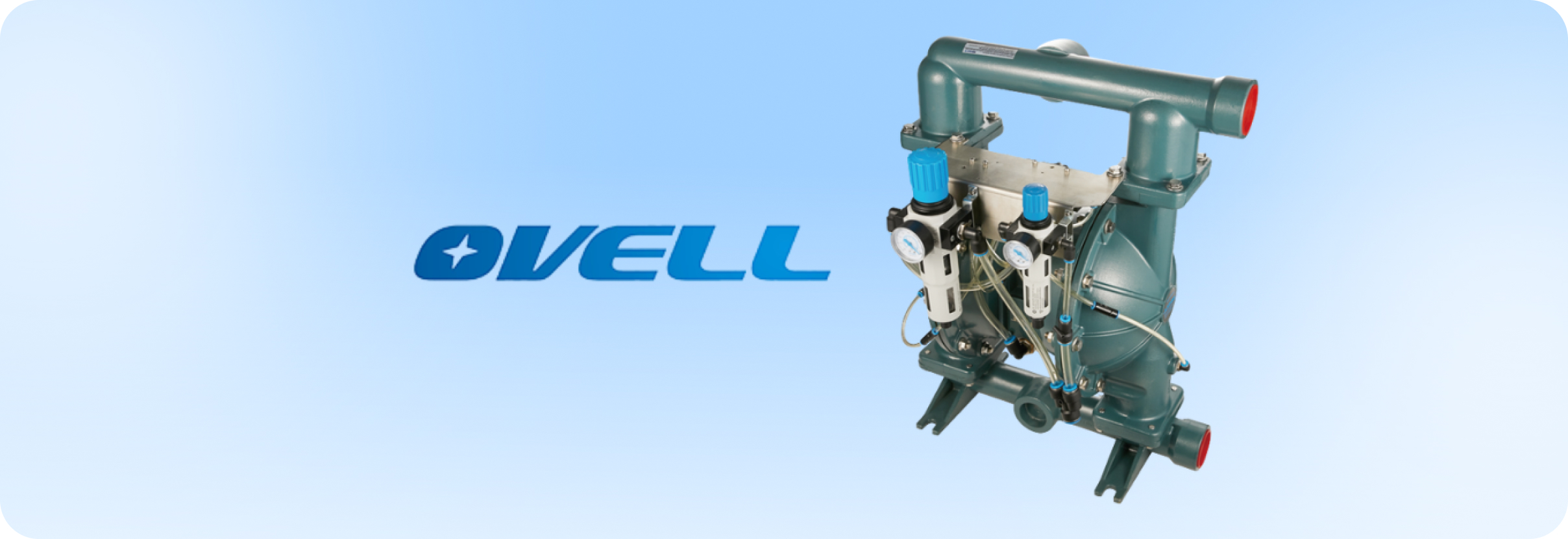
For the lithium battery industry, Ovell Pump provides specific solutions that directly address contamination and slurry rheology challenges:
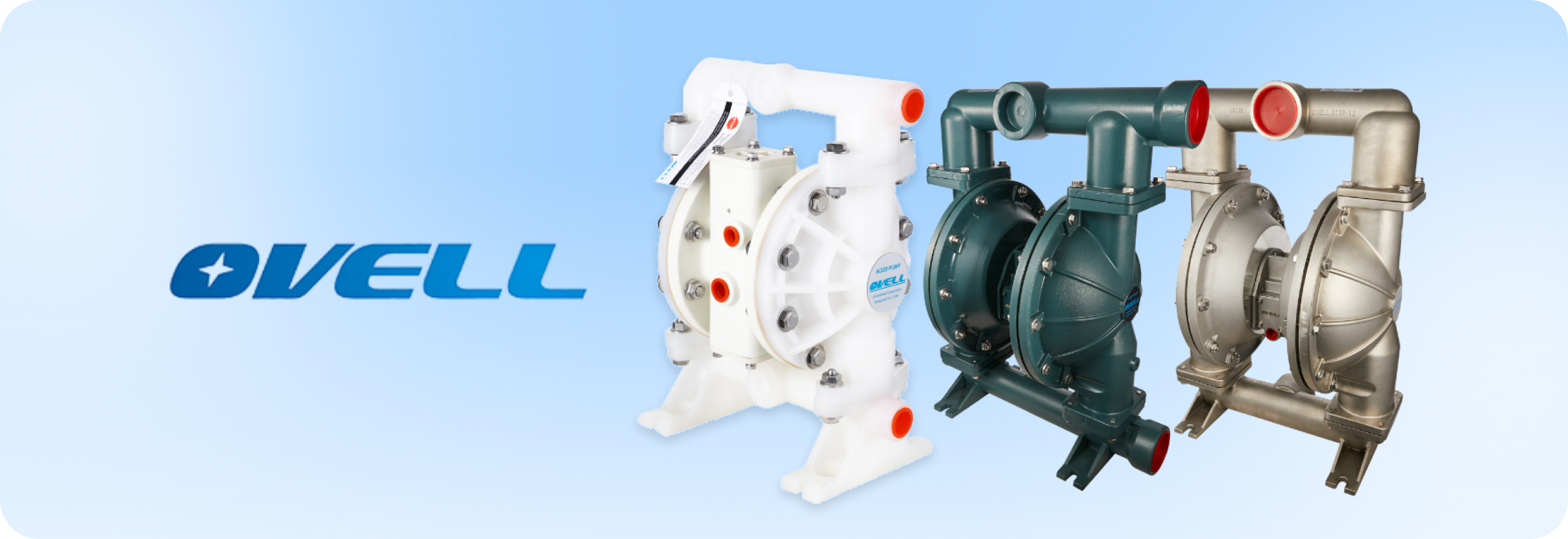
Ovell Pump offers a complete range of fluid transfer solutions, including Standard Pumps (aluminum, stainless steel, and plastic air diaphragm pumps) and Specialty Pumps (booster diaphragm pump, flap valve diaphragm pump, and diaphragm pulse dampener) designed to address the challenges of efficiency, containment, and material compatibility across diverse sectors, including chemical processing, water and wastewater, food and beverage, mining, oil & gas, pharmaceuticals, among others. Ovell Pump is a dedicated diaphragm pump manufacturer committed to supporting partners with certified quality and engineering expertise.
The manufacture of lithium ion batteries is one of the most technologically demanding processes in modern industry, defined by the need for chemical purity and the careful management of complex, sensitive fluids. The challenges posed by contamination control, slurry rheology, and volatile solvent handling are non negotiable obstacles to high quality, high volume production. Diaphragm pump technology, with its seal less containment, gentle transfer mechanism, and chemically inert material options, provides a foundational solution to these difficulties. By selecting fluid transfer equipment engineered specifically for purity and precision, manufacturers can ensure the operational stability necessary to meet the demanding requirements of the global energy transition.

.png)