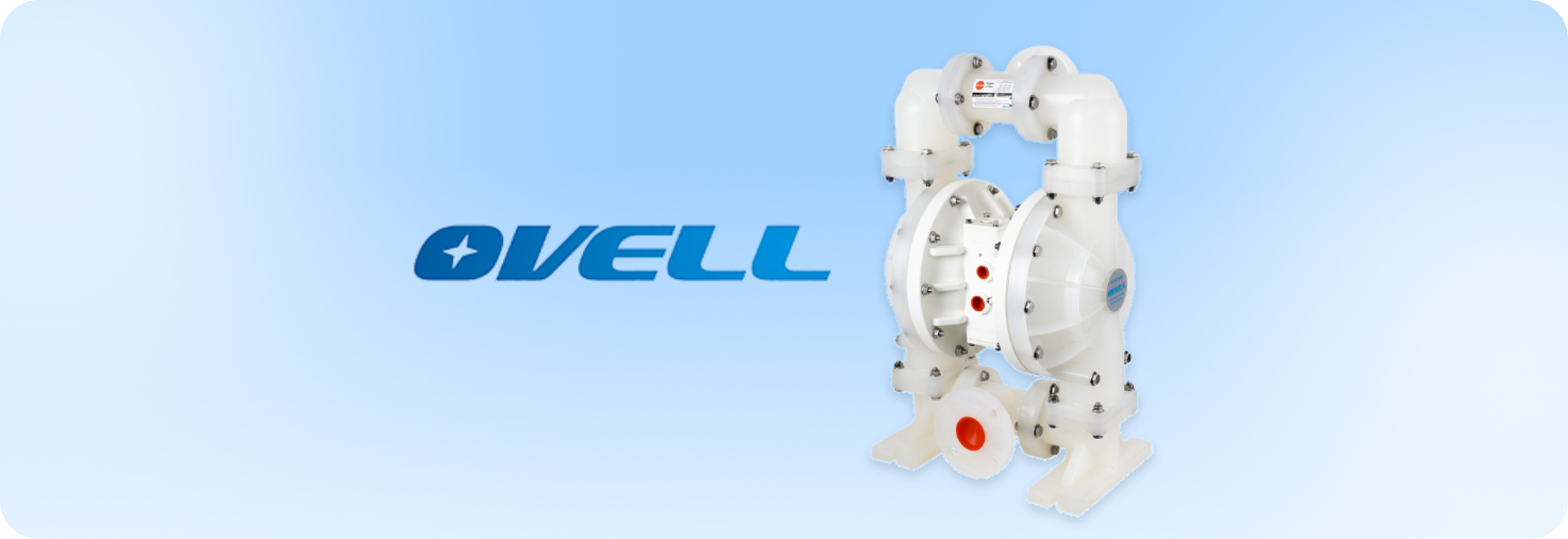
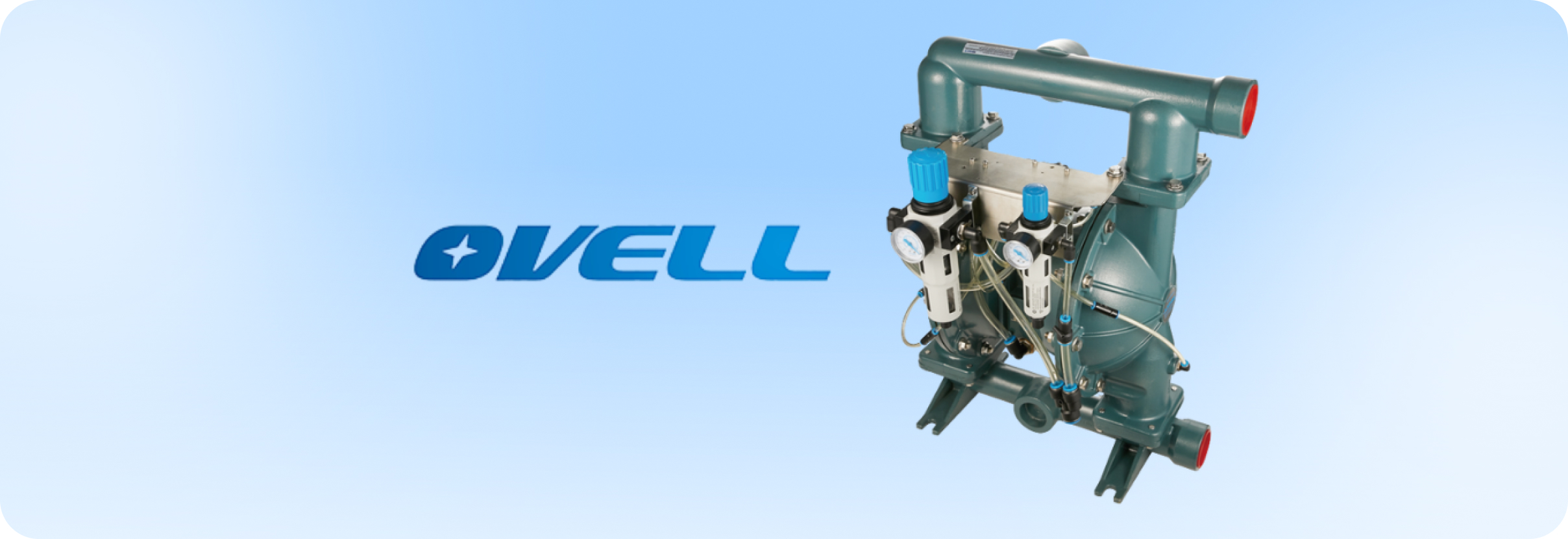
Safe Chemical Transfer with Ovell's Plastic Air Diaphragm Pump
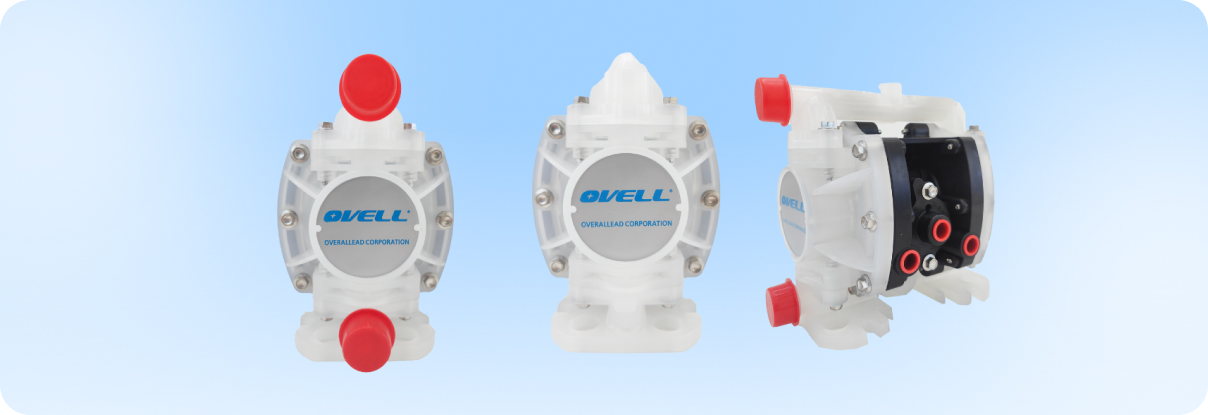
The plastic air diaphragm pump is a foundational solution in industries where fluid handling requires extreme resistance to corrosive chemicals and aggressive solvents. Engineered specifically to overcome the limitations of metallic pumps, this technology utilizes high-grade, chemically inert thermoplastic materials for its wetted components. As a type of air operated double diaphragm pump, the plastic variant ensures the safe, efficient, and contained transfer of media that would rapidly degrade cast iron or stainless steel alternatives. Its design makes it an ideal chemical diaphragm pump, offering a reliable barrier against highly acidic or caustic fluids. This specialized equipment is essential for maintaining process integrity and worker safety across various sectors, securing its position among the most vital industrial diaphragm pumps available today.
Material Science and Engineering Benefits
The core advantage of the plastic air diaphragm pump lies in its material composition. The selection of thermoplastic polymers is not merely an alternative to metal; it is a deliberate engineering choice to provide superior protection and longevity in harsh environments.
Construction and Chemical Compatibility
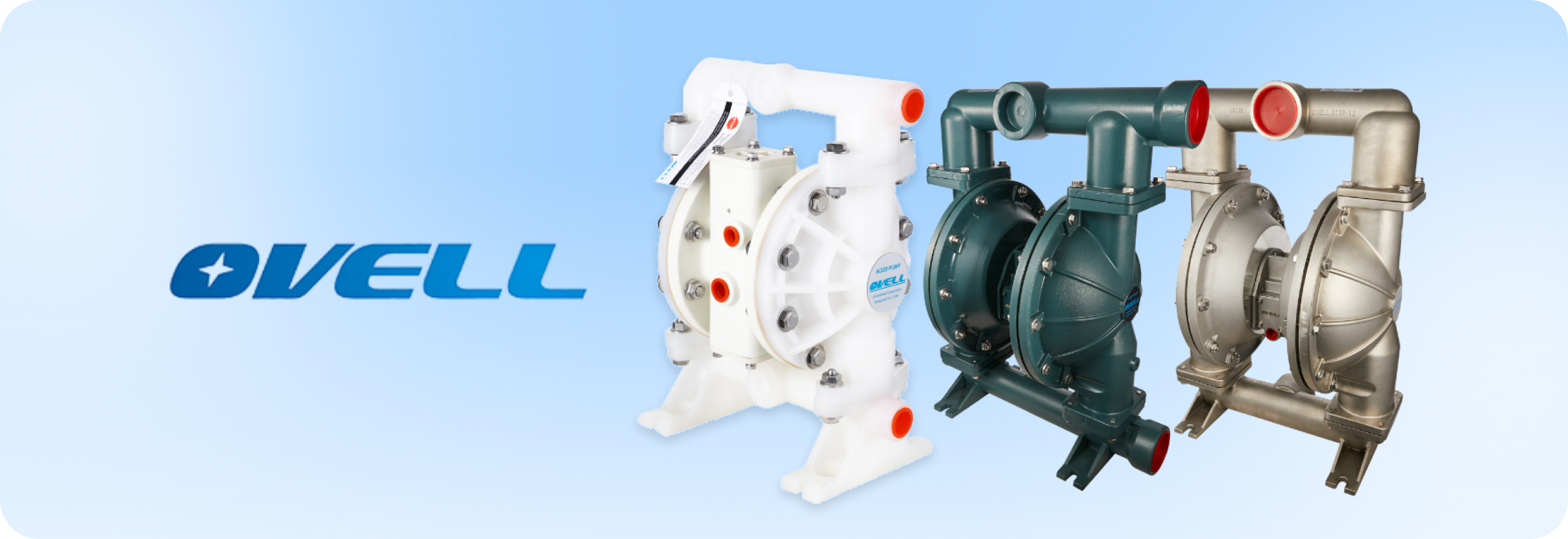
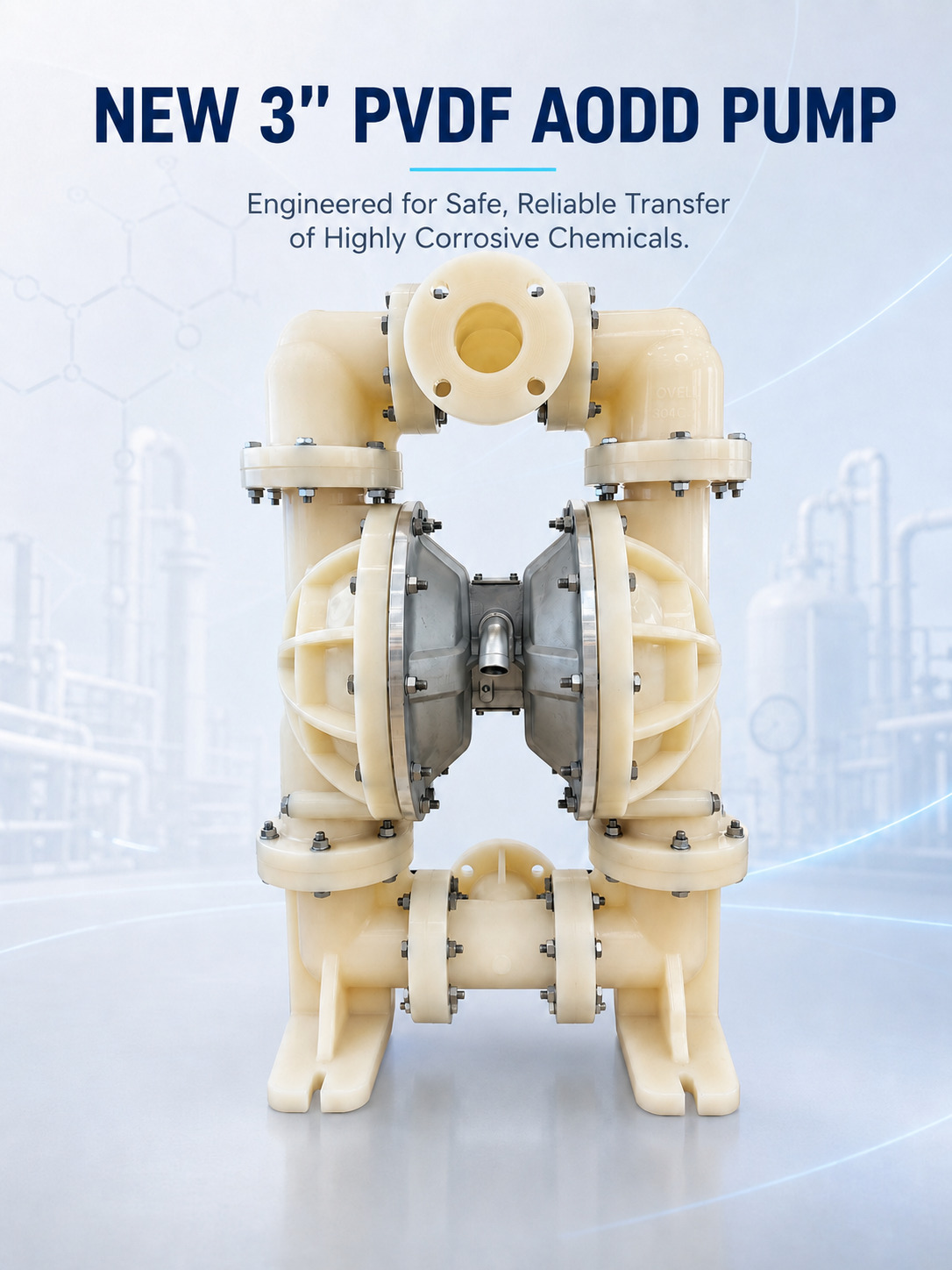
These pumps rely on specific plastics like Polypropylene (PP), PVDF, and PTFE to determine their chemical compatibility and thermal tolerance.
Polypropylene (PP): Widely used for handling a broad range of non-aggressive industrial fluids and moderate chemicals, offering excellent structural stability and cost effectiveness, particularly for applications like wastewater treatment or general utility transfer.
PVDF (Polyvinylidene Fluoride): Chosen for its exceptional resistance to highly concentrated acids, bases, and high temperatures, making it indispensable in specialized chemical processing applications where performance must not degrade under extreme pH or heat.
PTFE (Polytetrafluoroethylene): Often utilized for diaphragms and seats due to its near universal chemical inertness, ensuring no contamination or reaction with the transferred media. This makes it a preferred material when handling aggressive solvents or high purity chemicals.
Non Metallic Wetted Path: The pump ensures that all surfaces in contact with the process fluid are non metallic, eliminating concerns related to galvanic corrosion and heavy metal leaching. This is critical for processes that require zero metallic contamination.
Design for Durability
The construction details focus on maximizing service life under continuous exposure to aggressive liquids and potential abrasives.
Bolted Construction: Superior to clamp band designs, bolted construction ensures optimal sealing and reduces the risk of leakage, even when the pump handles fluctuating pressures or viscous media. This robust assembly significantly increases operational safety.
Simple Maintenance: The modular design of the pneumatic diaphragm pump facilitates quick and straightforward diaphragm and valve replacement, minimizing downtime and maintenance costs. Component access is streamlined for rapid servicing in the field.
Size Versatility: These robust models are available in a variety of port sizes, accommodating various flow rate requirements from small-batch chemical additions to large-scale bulk transfers.
Operational Advantages and Safety
The operational characteristics of the plastic air diaphragm pump align perfectly with safety requirements in hazardous environments, offering flexibility that metal pumps cannot match.
Intrinsic Safety: Being an air powered diaphragm pump, it requires no electricity, making it intrinsically safe for use in explosive or flammable atmospheres without the need for complex and costly grounding or explosion proof certifications. This is a primary benefit in hazardous zones, as the total absence of electrical components prevents ignition sources, ensuring immediate compliance with ATEX zone requirements.
Run Dry Capability: The design allows the pump to run dry indefinitely without damage to internal components, a significant operational safety feature when handling tanks that may run empty unexpectedly. Unlike centrifugal or gear pumps that rely on the pumped fluid for lubrication or cooling, the air operated double diaphragm pump’s seal-less, non-contacting mechanism prevents component wear or catastrophic seal failure, resulting in lower maintenance costs and maximized uptime.
Portability and Weight: Thermoplastic construction results in a lighter unit compared to metallic counterparts, enhancing portability and simplifying installation and repositioning within a plant. Its reduced weight aids flexibility in diverse operational setups, making it easy to use the pump as a mobile transfer unit for emergency applications or batch-to-batch liquid conveyance across different areas of the facility without heavy lifting equipment.
Accuracy Comparison: While not a dedicated diaphragm metering pump, its flow repeatability is high, making it suitable for bulk transfer where precision dosing is not the primary requirement. The positive displacement design ensures a consistent, measurable volume output per stroke, and the flow rate can be linearly controlled simply by regulating the input air pressure. For highly precise volumetric injection or continuous dosing, a dedicated electric diaphragm pump would be selected.
Key Industrial Applications
The specialized chemical resistance and safety features of the plastic air diaphragm pump make it the preferred choice across several highly regulated and demanding sectors.
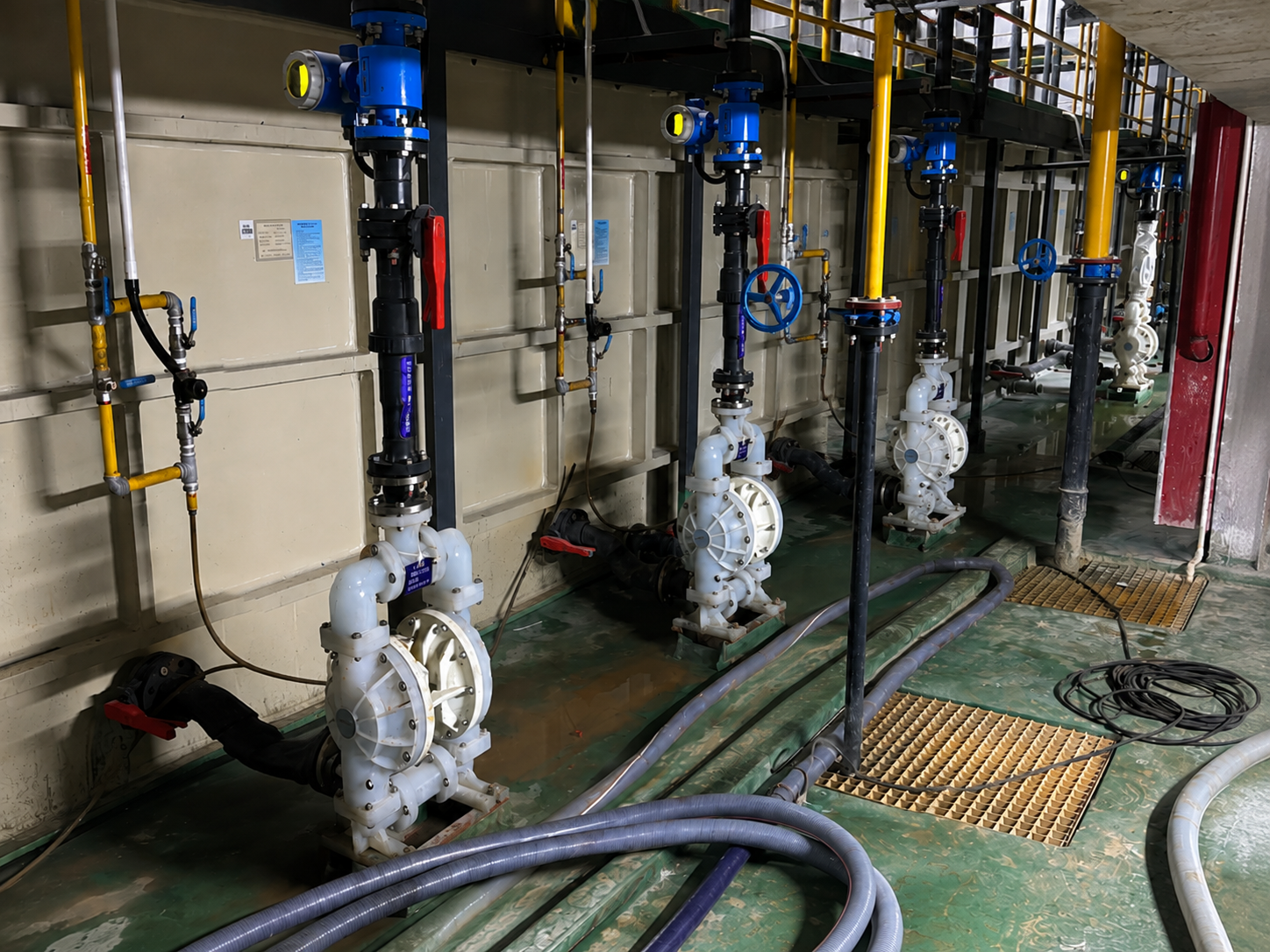
Chemical Manufacturing and Transfer: The material resistance is fundamental to the industry’s ability to manage corrosive intermediates and finished goods.
High Concentration Acid Handling: Essential for safely transferring fuming nitric acid, sulfuric acid, or hydrofluoric acid, where any exposure to metal components would lead to immediate failure and hazardous leakage.
Caustic Solutions and Solvents: Used extensively for managing high pH sodium hydroxide (caustic soda) solutions and organic solvents, which attack many elastomers and metals.
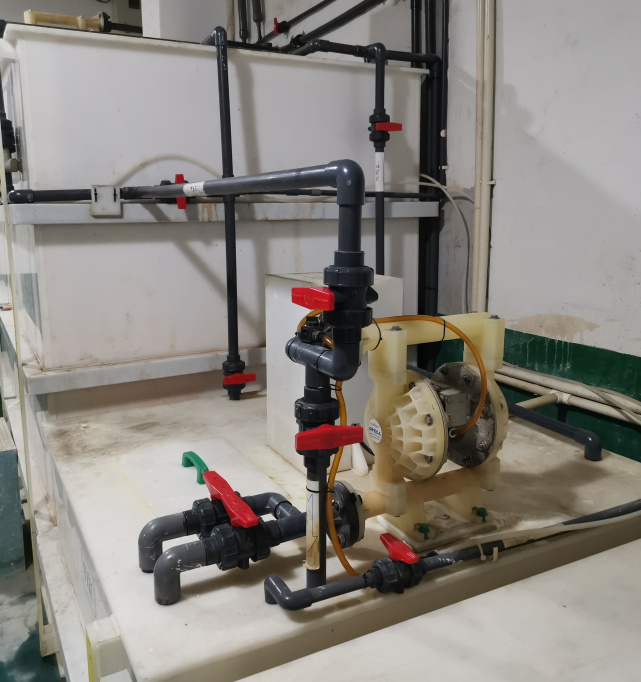
Water and Wastewater Treatment: The non metallic nature ensures compliance with environmental regulations and longevity in abrasive environments.
Dosing of Flocculants and Coagulants: Employed for the controlled transfer of chemical additives, such as ferric chloride or polymers, essential for the clarification and separation stages of water treatment.
Sludge and Effluent Pumping: The double diaphragm pump handles abrasive sludge and corrosive effluent streams effectively, preventing premature wear and mechanical failure common with traditional centrifugal pumps.
Surface Treatment and Plating: Contamination control is critical for product quality, often necessitating a completely inert fluid path.
Electroplating Bath Management: Used for circulating and transferring aggressive plating solutions, such as nickel or chrome baths, without introducing metallic impurities that could ruin the plating process.
Etching and Cleaning: Essential for pumping aggressive etching chemicals, including heated acids used for component preparation and surface activation.
Food and Beverage Sanitization: While not strictly food grade, plastic pumps are often used in CIP (Clean in Place) circuits.
Sanitizing Agents: Used to pump high concentration bleach and caustic cleaning solutions through lines and vessels to ensure microbial cleanliness before production runs begin.
Ovell Pump for Corrosion Resistant Solutions
The specialized fluid and chemical resistance inherent in the plastic air diaphragm pump is a clear example of the innovative engineering that defines Ovell Pump’s mission. Setting itself apart from other diaphragm pump manufacturers, Ovell Pump focuses on engineering robust systems that provide maximum operational efficiency and reliability in the most demanding B2B environments. We partner with industries, including chemical processing, mining, and general manufacturing, to deliver purpose built pumping solutions. Our comprehensive portfolio of advanced technology includes:
Diaphragm Metering Pump: Highly controlled volumetric units designed for repeatable injection and additive dosing, offering exceptional accuracy for critical process control.
Chemical Diaphragm Pump: Pumps specifically built with highly compatible materials (like PTFE and PVDF) to handle the most corrosive and aggressive media for long term, safe transfer.
Specialty Slurry Pumps: Robust, abrasion-resistant models optimized for handling high-solid content slurries and viscous media efficiently. These models are available in the 2 inch diaphragm pump configuration for superior flow.
Electric Double Diaphragm Pump: Energy efficient, motor driven units engineered for precise flow control, silent operation, and high accuracy in dosing applications.
Conclusion
The plastic air diaphragm pump offers an unparalleled combination of chemical resistance, operational safety, and maintenance simplicity. Its non metallic fluid path and durable construction position it as the optimal choice for chemical diaphragm pump applications and handling highly aggressive media. For companies seeking a reliable double diaphragm pump solution that minimizes maintenance and maximizes safety in corrosive environments, the performance of this air operated diaphragm pump technology provides the necessary security and endurance for continuous operation.


.svg)



.png)