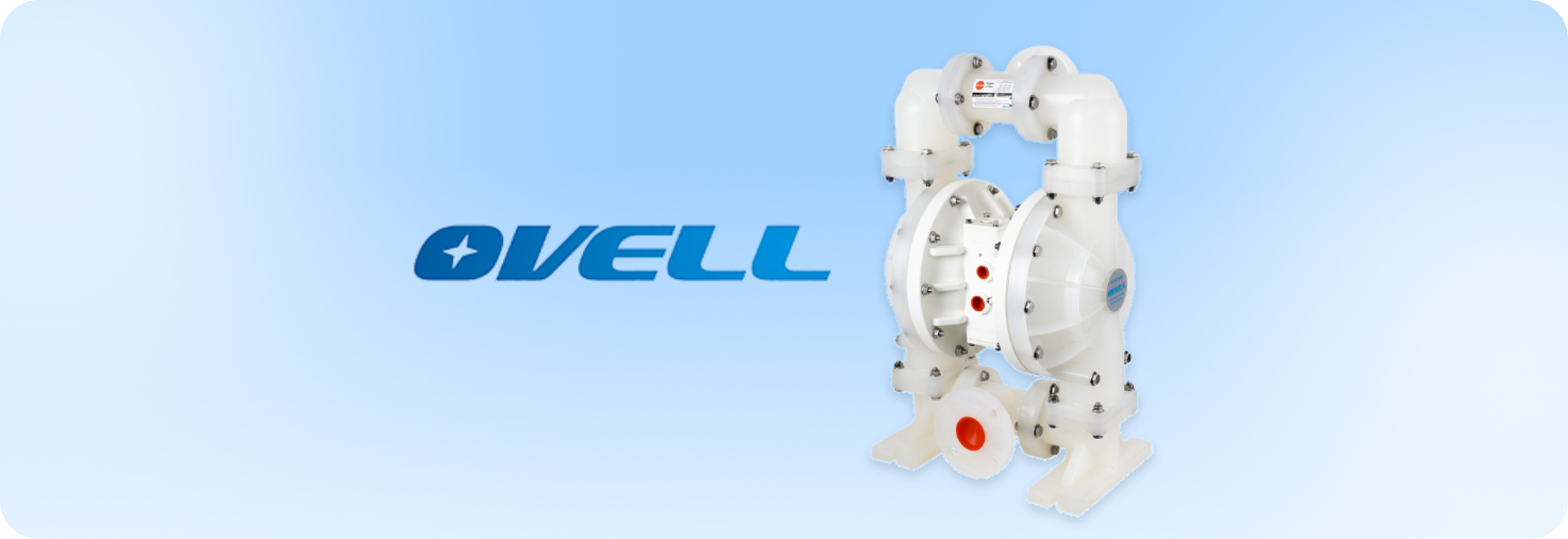
Static Control: Carbon Filled Polypropylene in Diaphragm Pumps
In environments handling flammable liquids, gases, or dusts, safety protocols require meticulous attention to every potential source of ignition. For the pneumatic diaphragm pump, often the system of choice for its inherent non electric operation, the risk of static electricity discharge is a critical, yet frequently overlooked, hazard. While standard plastic pumps are robust against chemical corrosion, their non conductive nature allows them to accumulate significant electrostatic charge, posing a severe risk of spark ignition in volatile atmospheres. Mitigation requires a specialised material science approach, necessitating the use of electrically conductive plastics like carbon filled polypropylene.
The Physics of Static Generation in Non Metallic Pumps
Electrostatic build up in fluid transfer systems occurs primarily through the triboelectric effect and flow friction. The problem is exacerbated when using non conductive materials and handling non conductive fluids, such as many common solvents or hydrocarbons.
Friction and Charge Separation: As non conductive fluid flows through the pump chambers and piping, continuous friction occurs against the inner walls of the pump. This process causes electrons to transfer between the fluid and the plastic component, resulting in a charge separation. This charge then begins to accumulate both on the internal and external surfaces of the pump.
This is particularly acute in chemical diaphragm pump applications where the fluid being transferred is highly purified or highly non polar, preventing the charge from dissipating naturally. Standard polypropylene acts as an excellent electrical insulator, allowing the voltage to build rapidly to thousands of volts.
Volatile Organic Compounds (VOCs): The ignition risk is heightened when the pump is installed in an environment saturated with flammable VOCs. The high voltage created by the accumulated static charge seeks the nearest ground path. If a spark jumps from the pump casing to nearby grounded metalwork, the energy released can easily exceed the Minimum Ignition Energy (MIE) of the surrounding explosive atmosphere, resulting in ignition.
Air Motor Contribution: Even the compressed air used to drive the air operated double diaphragm pump contributes to the static problem. Air flowing rapidly through the non conductive air distribution system can itself generate and transfer charge to the pump's core structure, reinforcing the necessity for a continuous path to ground.
Conductive Materials and ATEX Compliance
Addressing the static hazard requires removing the pump's insulating capability and engineering a continuous electrical path to safely bleed the charge away. This is achieved through the use of carbon filled polypropylene (CFPP).
Carbon Filled Polypropylene: By impregnating the base polypropylene resin with fine carbon particles during the moulding process, the material's electrical resistivity is drastically lowered. The carbon creates a conductive matrix throughout the plastic structure, transforming the pump housing from an insulator into a conductor.
This critical modification ensures that any static charge generated by fluid friction or mechanical movement is instantly conducted across the entire pump surface and directed to a grounding point. Without this measure, the inherent safety of the pneumatic diaphragm pump's non electric design is compromised by the static potential of its plastic components.
Compliance with Safety Standards: The use of conductive materials is a non negotiable requirement for safe operation in explosive atmospheres, as dictated by standards like ATEX (Atmosphères Explosibles) in Europe and similar regulatory frameworks globally. These standards define zones (e.g., Zone 1 and Zone 2) where flammable materials are likely to be present, mandating that equipment must be specifically rated. A pump fabricated from CFPP and properly grounded meets the necessary surface resistance requirements (typically below $10^9$ Ohms) to prevent charge accumulation, thereby achieving compliance for use in these hazardous zones.
Engineering Conductive Flow Paths
Implementing a conductive solution involves more than simply moulding the pump casing from CFPP. A reliable path to ground must be maintained across all critical components of the industrial diaphragm pump system. Ovell Pump ensures this integrity through meticulous engineering:
Conductive Manifolds and Housings: Every part of the pump that contacts the fluid and is exposed to the atmosphere, the wetted housing, air manifolds, and external casing, is moulded from carbon filled polypropylene. This ensures a broad, interconnected conductive surface.
The continuous conductive path starts at the wetted section, collecting the charge generated by the fluid, and carries it to the pump exterior.
Integrated Grounding Points: Specific grounding lugs or connections are moulded directly into the CFPP housing. These points utilise stainless steel hardware to ensure a clean, reliable, metal to metal connection to the facility's dedicated earthing system.
Proper installation requires securely connecting a grounding wire from this point to an established earth bond, completing the circuit that drains the static charge safely to the ground potential. This simple step is vital for operational safety.
Diaphragm and Valve Material Considerations: While the main housing handles external charge, internal components must also manage friction. Even though the diaphragms themselves are typically elastomers or PTFE for chemical resistance, the backing discs and hardware maintain the conductive path throughout the fluid end, ensuring charge accumulation is minimised right at the source of friction.
Operational Benefits of Conductive Diaphragm Pumps
The choice to deploy CFPP air operated double diaphragm pump models provides tangible operational and commercial advantages that extend beyond regulatory compliance:
Uncompromised Safety: The primary benefit is the dramatic reduction in ignition risk. By actively controlling and eliminating static charge build up, the pump fleet provides the highest level of intrinsic safety for transferring volatile solvents, alcohol, fuels, and chemical intermediates.
Wider Fluid Flexibility: Conductive pumps allow for the safe handling of a much broader range of non conductive fluids. This means facility operators do not need to limit their process choices based on the pump’s inability to dissipate static, offering greater flexibility in production.
Lifecycle Assurance: Investing in certified, conductive industrial diaphragm pumps offers significant regulatory peace of mind. Audits and compliance checks are simpler, and the risk of costly production stoppages due to safety violations related to electrostatic discharge is effectively eliminated.
Durability and Chemical Resistance: Carbon filled polypropylene retains the high chemical resistance properties of standard polypropylene, meaning the pump remains immune to corrosion from a vast array of aggressive acids, alkalis, and solvents. This combination of chemical endurance and electrical conductivity offers a robust, long term solution, a dedication to safety and reliable performance that forms the core of Ovell Pump's mission.
Ovell Pump: Leading the Way in Safety and Compliance
A commitment to safety in hazardous industrial environments is the bedrock of Ovell Pump's design philosophy. As a globally positioned diaphragm pump manufacturer, Ovell consistently applies advanced material science and engineering rigour to ensure their solutions not only perform efficiently but also adhere to stringent international safety standards, especially concerning static electricity control.
Ovell Pump offers an extensive catalogue segmented into reliable standard models and highly specialised products designed for unique challenges:
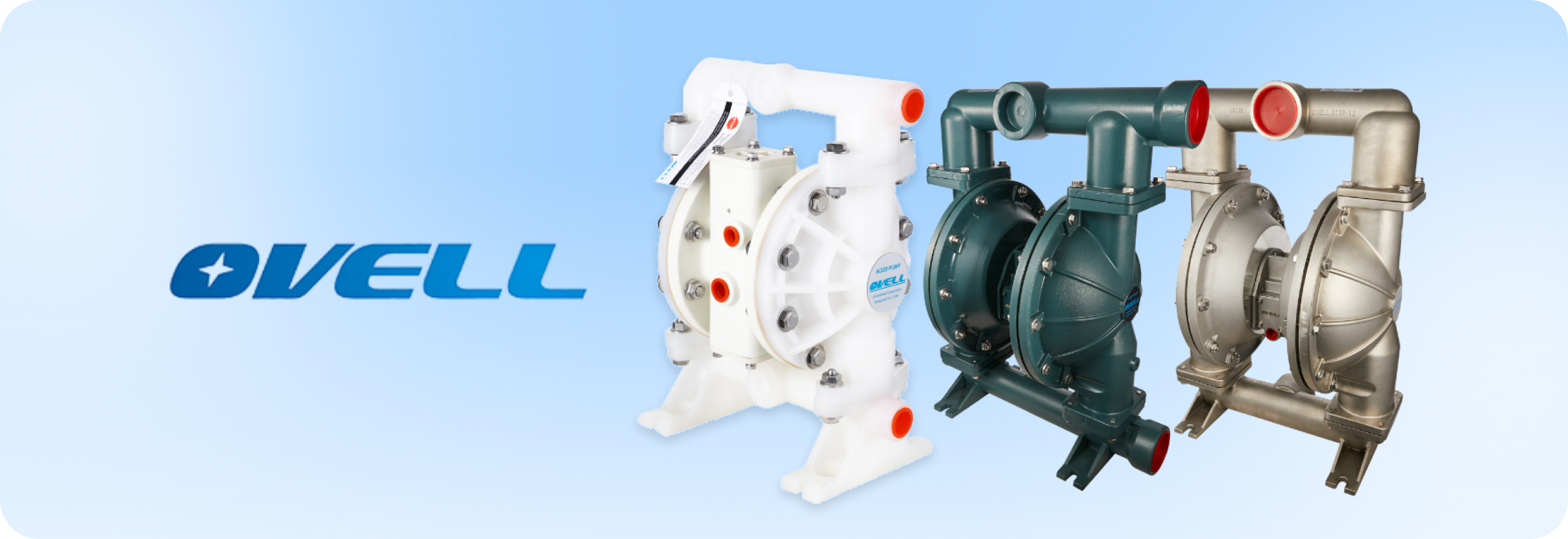
Plastic Air Diaphragm Pump: These core fluid transfer units are manufactured in chemically resistant materials, critically including Carbon Filled Polypropylene for conductive applications, which is essential for the safe handling of volatile chemicals and solvents in hazardous areas.
Pneumatic Powder Pump: Engineered specifically for the dry transfer of powders and bulk solids, these pumps use air to fluidise the material, ensuring smooth, dust free, and reliable transfer of pharmaceutical ingredients or industrial powders without segregation or crushing.
Metering Pump: When applications demand absolute volumetric precision, the metering pump line offers highly accurate, repeatable dosing. Essential for critical chemical injection or additive systems, these pumps provide exceptional control over flow rates, guaranteeing process consistency and material conservation.
With its headquarters in the US and manufacturing hubs in China and Australia, Ovell Pump maintains rigorous quality standards, evidenced by ISO9001, CE, and FDA certifications. Their robust catalogue serves critical sectors such as Chemical Processing, Water and Wastewater, Mining, Oil & Gas, Pharmaceuticals, and more, consistently delivering on its mission to provide reliable, safety compliant technology.
Conclusion
The selection of appropriate pump materials is not merely about chemical compatibility; it is fundamentally about risk mitigation and compliance in hazardous industrial settings. Non conductive plastics present a quantifiable static electricity risk when transferring volatile or non conductive fluids, potentially leading to catastrophic ignition. The solution lies in specifying a highly engineered conductive material, namely carbon filled polypropylene, in the construction of the pneumatic diaphragm pump’s wetted and non wetted parts. When combined with correct grounding procedures, this material ensures the charge is safely dissipated, providing an intrinsically safe solution that adheres to strict international standards such as ATEX. For any operation involving volatile compounds, the investment in a CFPP conductive air operated double diaphragm pump is a necessary measure to ensure operational safety and regulatory compliance.


.svg)



.png)