Mon - Fri: 9:00 - 19:00 / Closed on Weekends

AUS: +61 431 085 666
USA: +64 21 480 290


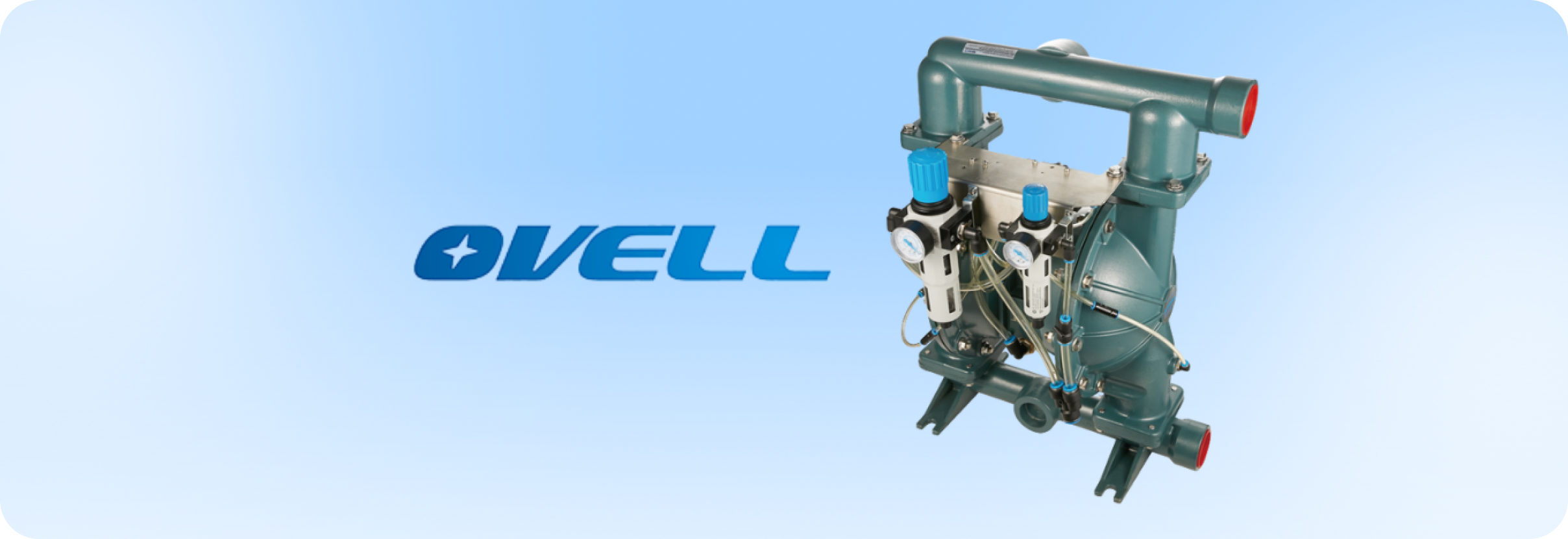
A pneumatic powder pump can form part of a contained dry-material transfer system. Its suitability depends on the powder and the complete route from feeding to receiving. Evaluate throughput together with material loss, dust, cleaning, maintenance and compressed-air consumption.
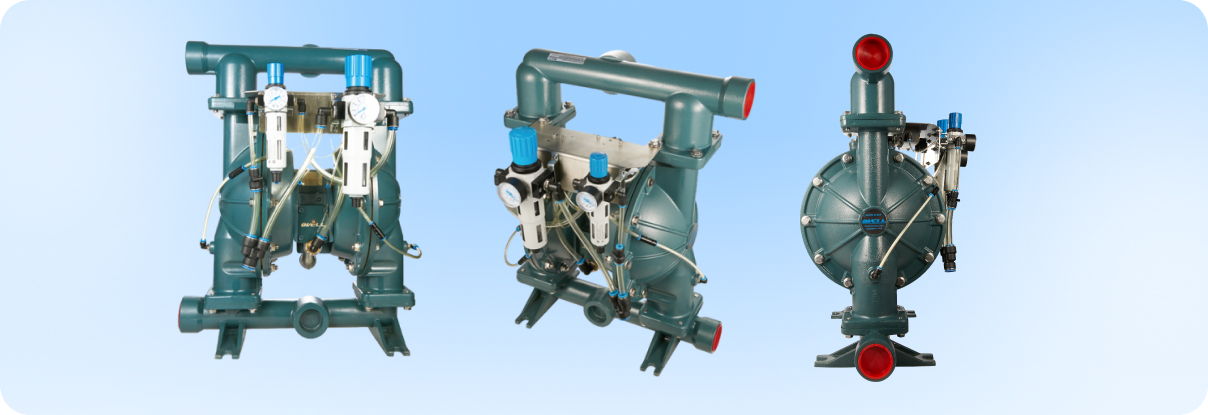
Specify bulk density, particle size, moisture, abrasiveness, cohesion and flowability. State the required transfer quantity, horizontal distance, lift, pipe diameter and bends. Confirm feed conditions and the receiving vessel arrangement. Fluidisation and powder-specific passages are not suitable for every material, so representative trials may be needed.
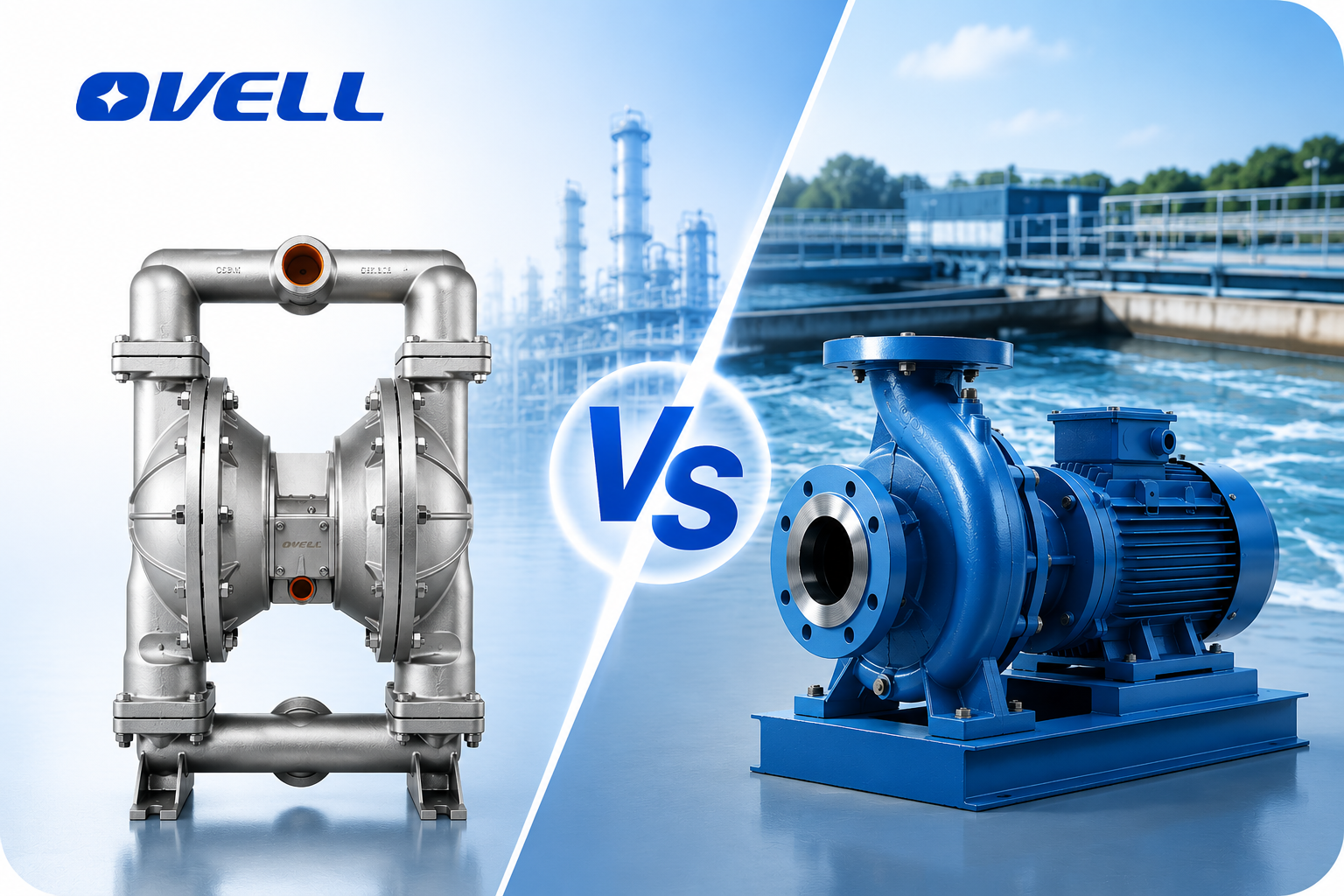
A powder pump is a dedicated configuration. An ordinary liquid AODD pump should not be assumed to convey dry powder. Compare dry-powder systems with other appropriate dry-transfer technologies, rather than with liquid pumps on pump size alone.
Check the pressure, volume and quality of the required air or auxiliary gas. Existing compressed-air infrastructure may still need capacity or distribution changes. Confirm gas compatibility and moisture limits for the product.
The receiving system must manage conveying gas, dust and filling level. Contained pipes do not eliminate dust at feeding, venting, cleaning or maintenance points. Combustible-dust duties require a review of static, ignition and protective measures for the actual material and installation.
Diaphragms, valves, seals and pneumatic parts still need inspection. Abrasion and retained powder can affect service intervals and cleaning. Confirm residue removal and changeover requirements for the product; easy dismantling alone does not establish hygienic or contamination-free operation.
Do not treat a pump stopping against backpressure as protection for the entire powder system. Auxiliary gas may still enter. Review how the system handles interrupted transfer, blockage, excessive pressure and a full receiving vessel against the equipment instructions.
Include equipment, installation, air generation, feed and receiving accessories, cleaning, wear parts, labour and downtime. Measure received material, retained product and transfer time at representative conditions. These records provide a better basis for choosing a powder pump than promises of fixed savings, no wear or universal rapid payback.
Contact OVELL to review the duty, complete model and quotation