Mon - Fri: 9:00 - 19:00 / Closed on Weekends

AUS: +61 431 085 666
USA: +64 21 480 290


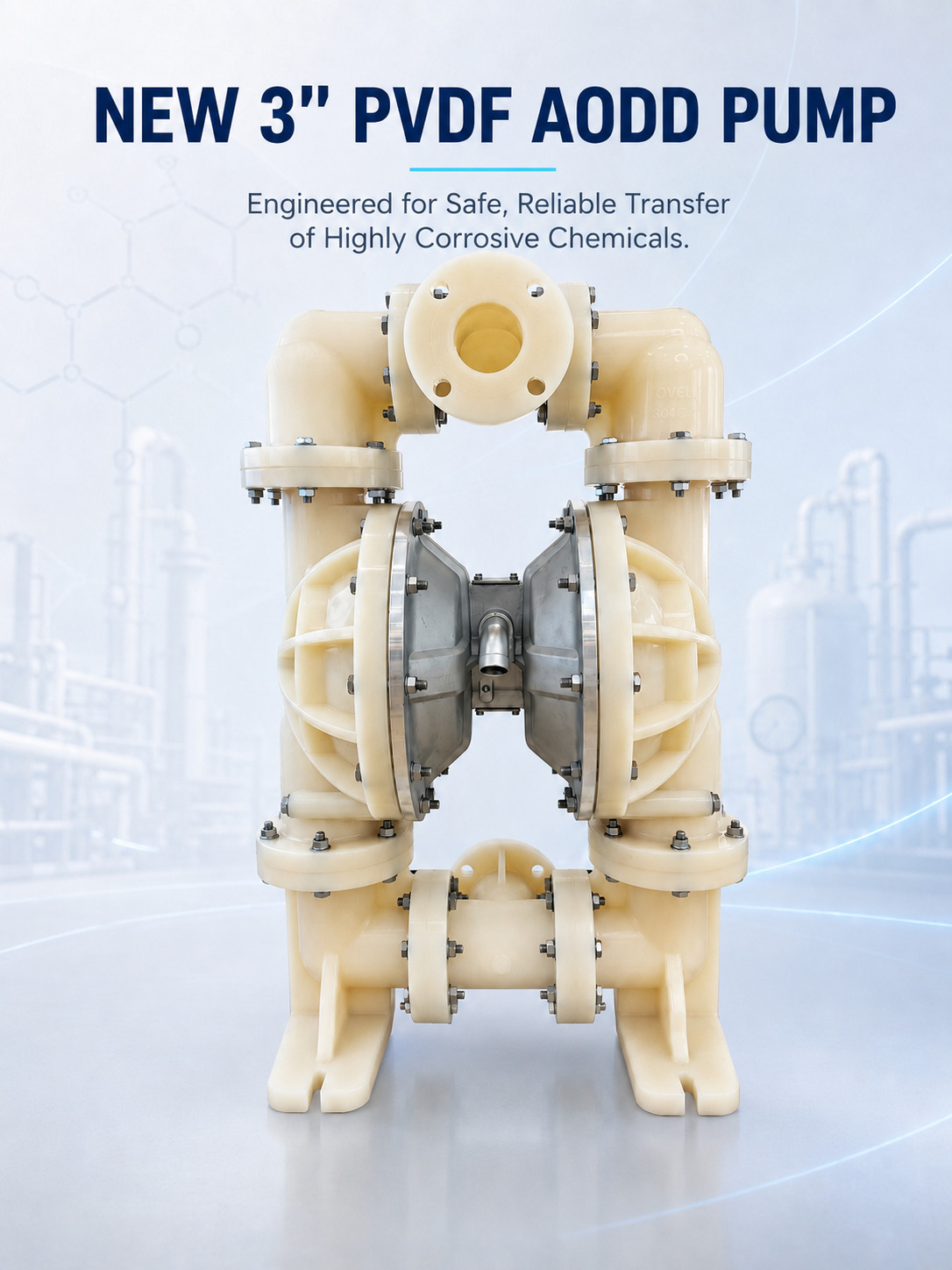
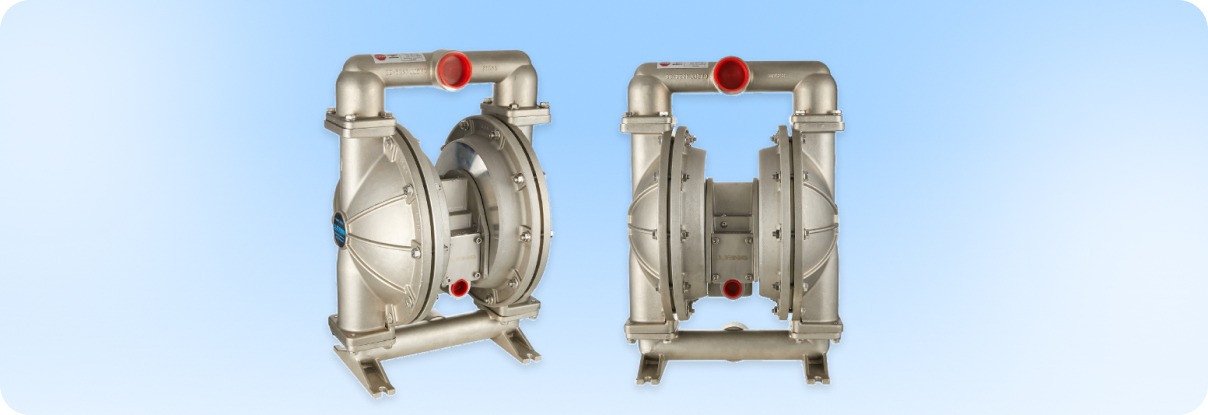
Lotions, creams, serums and shampoos have different flow and cleaning requirements. An air operated double diaphragm pump can be considered for ingredient or finished-product transfer, with the configuration selected against the formulation and process. A closed pump body alone does not establish purity or sterile operation.
Record viscosity at the operating temperature, sensitivity to shear and aeration, and the required transfer rate. A cream supplied from a vessel may behave differently from a low-viscosity serum. Check the inlet arrangement and use a representative trial to compare appearance, viscosity and other relevant product measures before and after pumping.
Pulsation, valves, pump speed and recirculation can all affect the product. Do not assume that a larger connection guarantees high flow for every paste or that diaphragm motion leaves every emulsion unchanged.
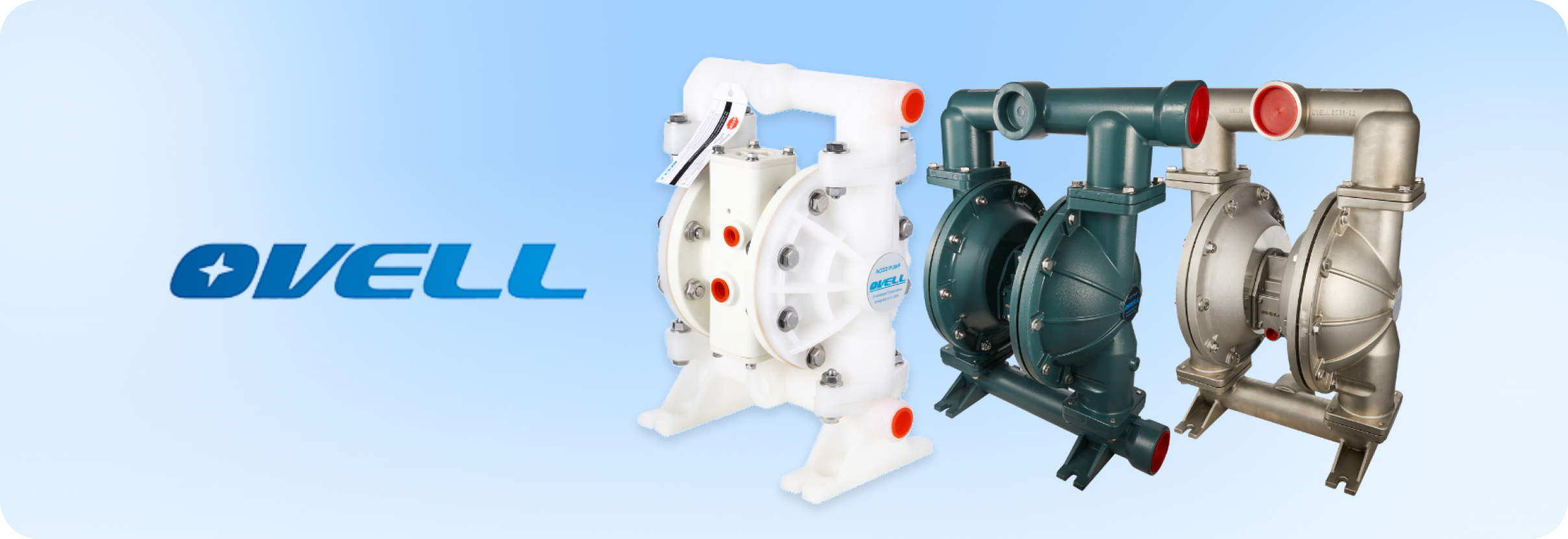
Check the body, diaphragms, valve parts, seals and connections against both the product and cleaning fluids. Stainless steel and PP have different limits; neither material is universally compatible with every ingredient.
Review residual product, drainage and access for cleaning. Clean-in-place and disassembled cleaning are different arrangements and must suit the particular pump. Material-contact documentation, product conformity documents and quality-management certificates serve different purposes; verify their scope instead of treating them as interchangeable hygiene approval.
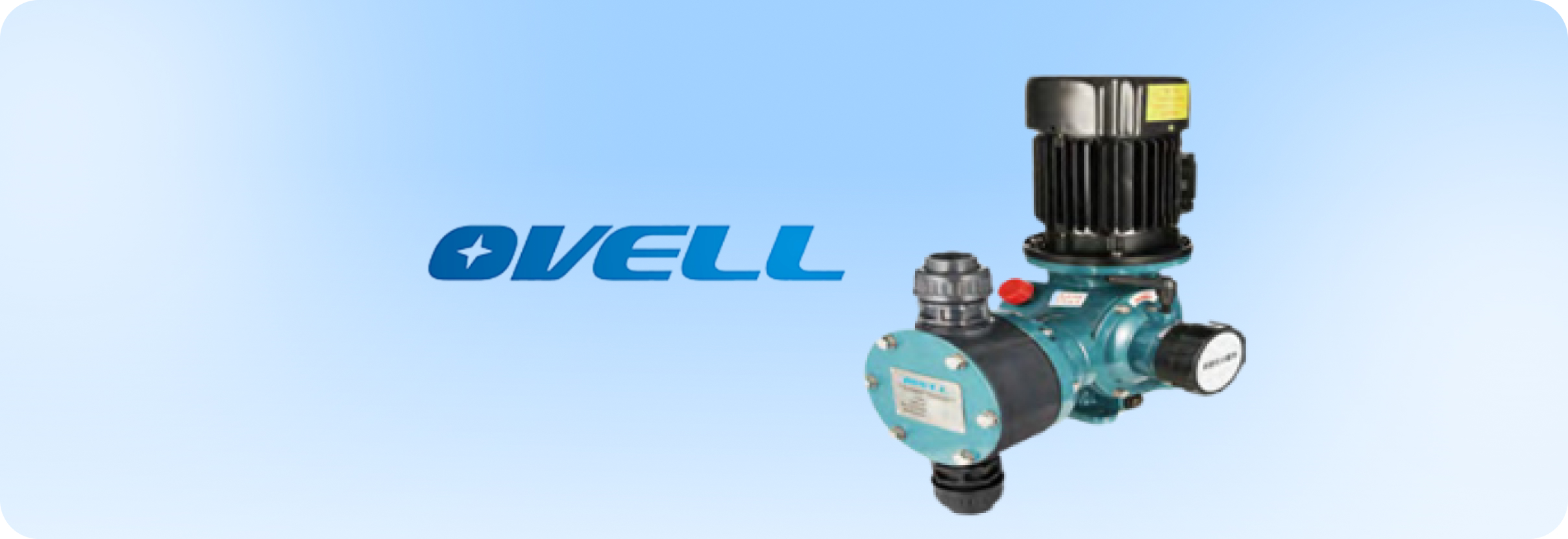
Transferring a batch and accurately adding fragrance, colour or an active ingredient require different controls. For dosing, define tolerance and repeatability and review a suitable metering pump with calibration at the actual duty. For dry ingredients, consider a powder-specific transfer system rather than treating a liquid AODD pump as a powder pump.
Provide fluid and cleaning details, temperature, viscosity, required flow and pressure, suction conditions and sanitation requirements. Check diaphragms, seals and connections as part of maintenance and leakage management. Evaluate production loss, cleaning time and maintenance from operating records. A suitable pump supports the process; it does not independently guarantee product purity or eliminate contamination.
Contact OVELL to review the duty, complete model and quotation