Mon - Fri: 9:00 - 19:00 / Closed on Weekends

AUS: +61 431 085 666
USA: +64 21 480 290


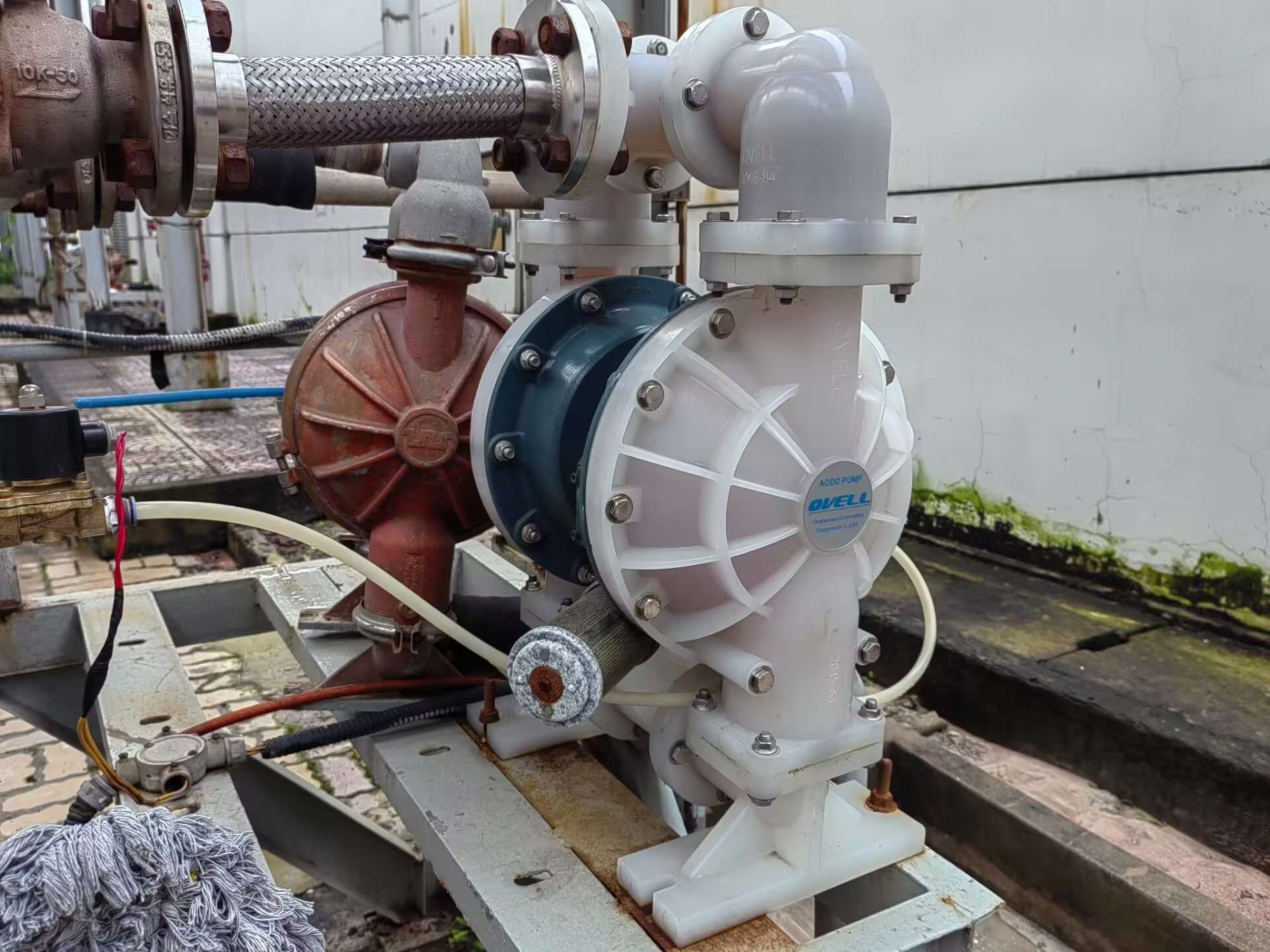
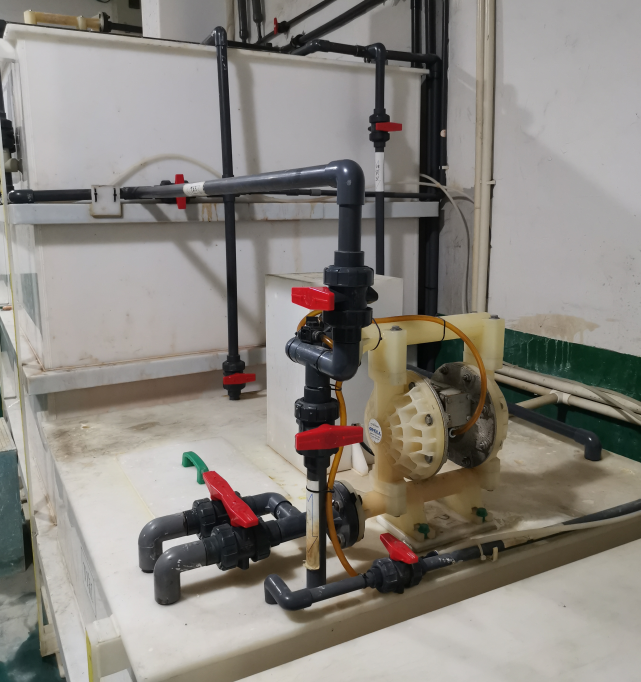
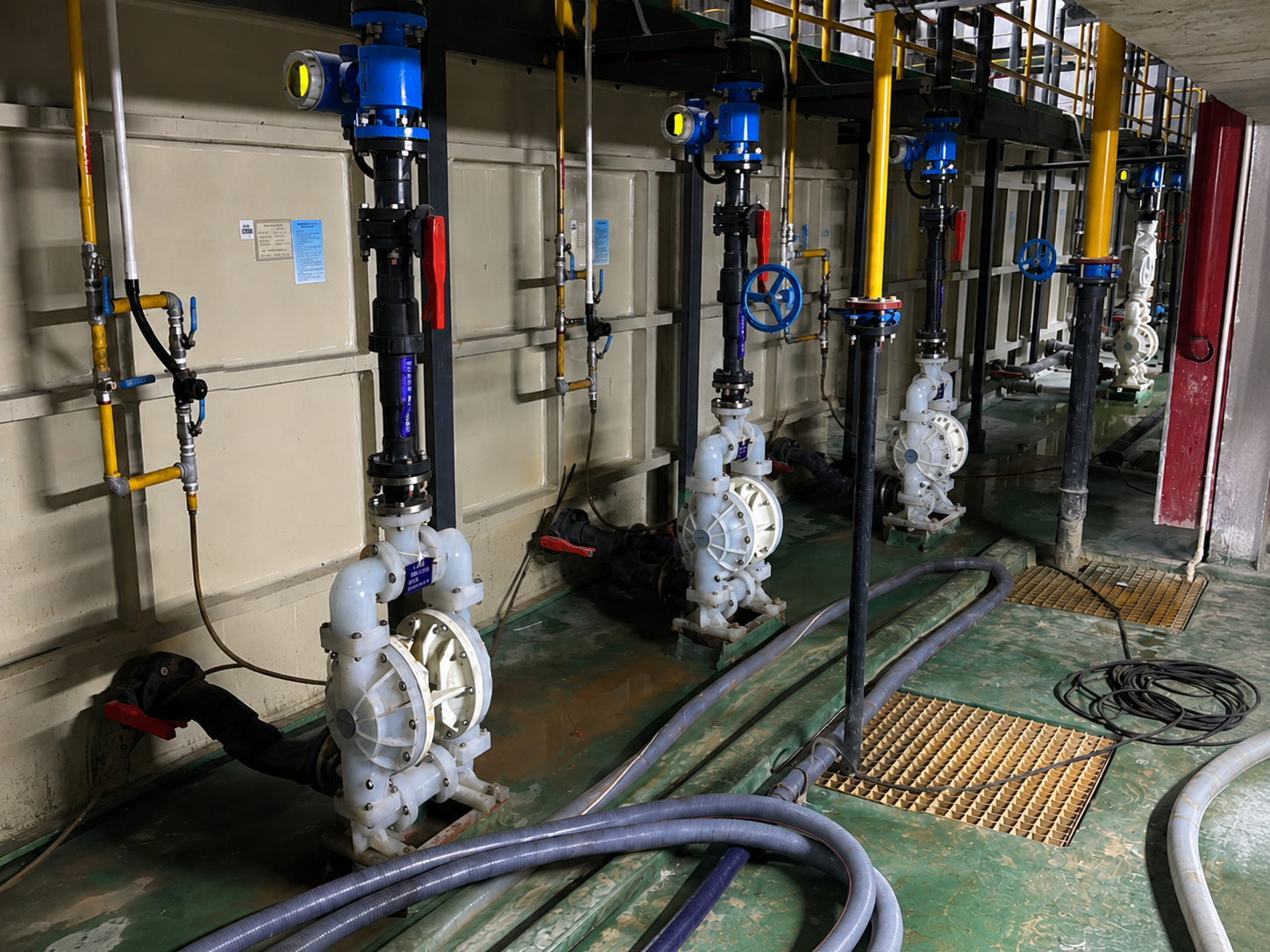
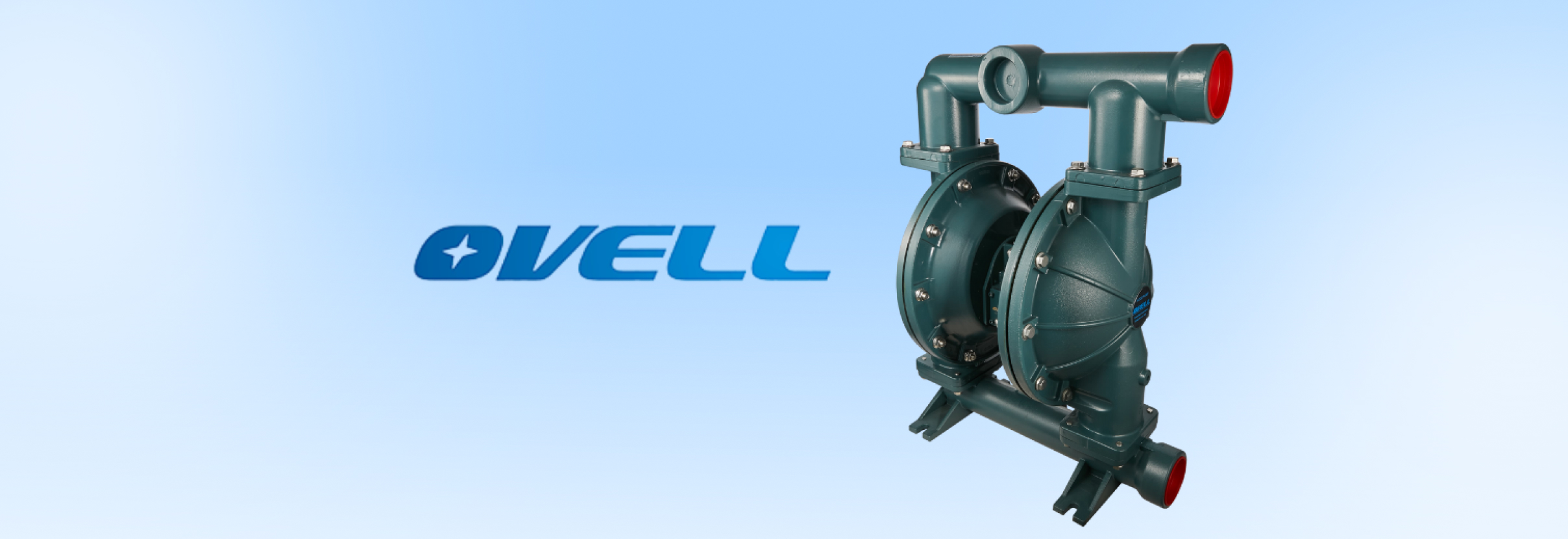
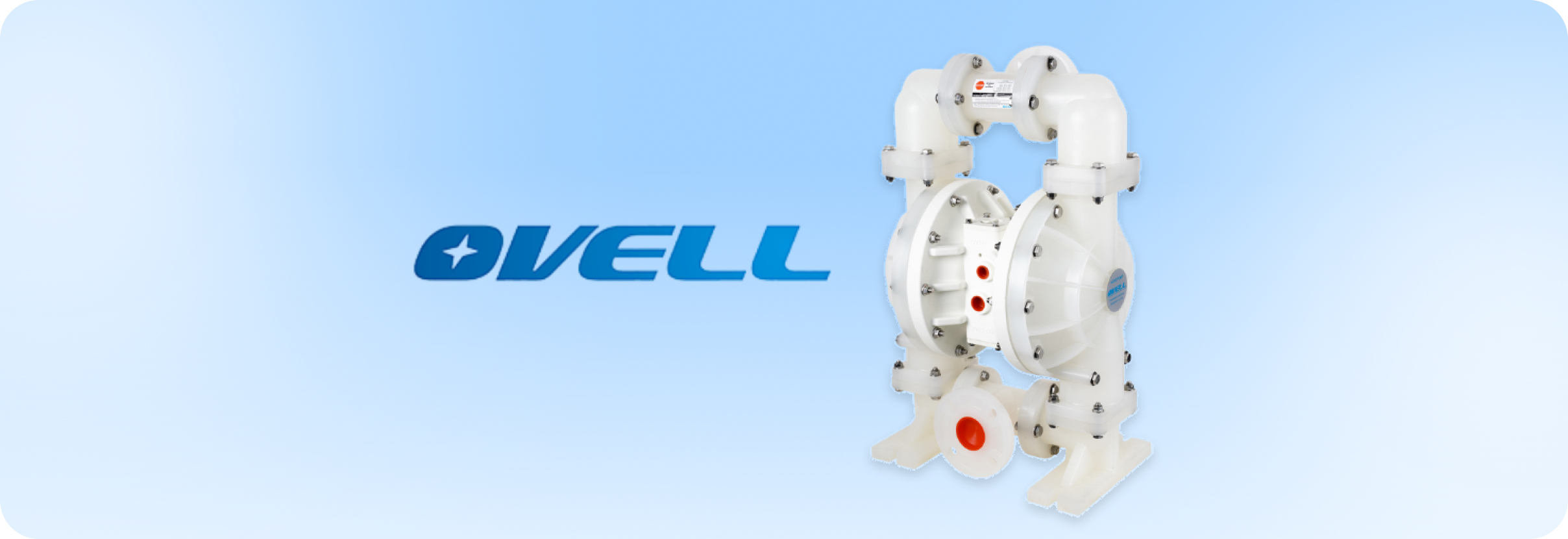
Wastewater management is an important part of industrial operations. This application overview discusses OVELL's 2-inch polypropylene (PP) air-operated diaphragm pump for wastewater transfer at the Hyosung Vietnam facility and the engineering checks relevant to this type of installation.
Reliable transfer depends on the wastewater composition, solids loading, pump configuration and operating conditions. Selecting a pump requires more than choosing a body material or nominal port size.

Industrial wastewater may contain chemicals, suspended solids and sludge. Before selection, establish the required flow at the actual discharge pressure, suction conditions, viscosity, temperature and solids characteristics. Identify cleaning chemicals and any changes in composition between production batches.
A 2-inch PP AODD pump can be considered where its complete wetted assembly is compatible with the duty. PP is resistant to many chemicals, but compatibility is not universal. Check the body, diaphragms, valve balls, seats and seals against the actual chemicals, concentrations and temperatures.

In a typical arrangement, wastewater is collected and pretreated before transfer to treatment or filtration equipment. Where screening is needed, select it to suit both the wastewater and the pump's particle-handling capability.
Adjust the air supply to achieve the required operating duty and check flow under actual backpressure. AODD delivery is pulsating and changes with system conditions; processes requiring smoother flow may need a suitable dampener or control arrangement.
Material selection for neutralization or chemical treatment must account for both untreated and treated streams. Final water quality and discharge compliance depend on the treatment process and monitoring, rather than on the transfer pump alone.
AODD operation requires compressed air, which consumes energy at the compressor. Assess air consumption, supply pressure, leaks and operating time when calculating energy costs. A pneumatic drive does not eliminate electricity costs or establish an automatic energy advantage over an electric pump.
Check for liquid and air leaks, irregular cycling and wear. A diaphragm rupture can release liquid through the air exhaust, so provide appropriate exhaust routing and containment. Where flammable fluids or hazardous areas are involved, confirm the required pump construction, certification, grounding and system safeguards.
Record maintenance intervals, downtime, delivered flow and air consumption before claiming performance or cost improvements. Site-specific operating records are needed to quantify savings.
The same selection process can support wastewater-transfer projects in chemical processing and other industrial facilities. Pump configuration should be matched to the actual duty, rather than assuming a single PP configuration suits every wastewater stream.
For help reviewing a 2-inch PP pump application, contact OVELL with the fluid composition, required flow and pressure, temperature, solids information and installation details. Learn more about the plastic AODD pump range.